
Ultra-Processed Food Consumption Linked to Increased Risk of Depression, Study Finds
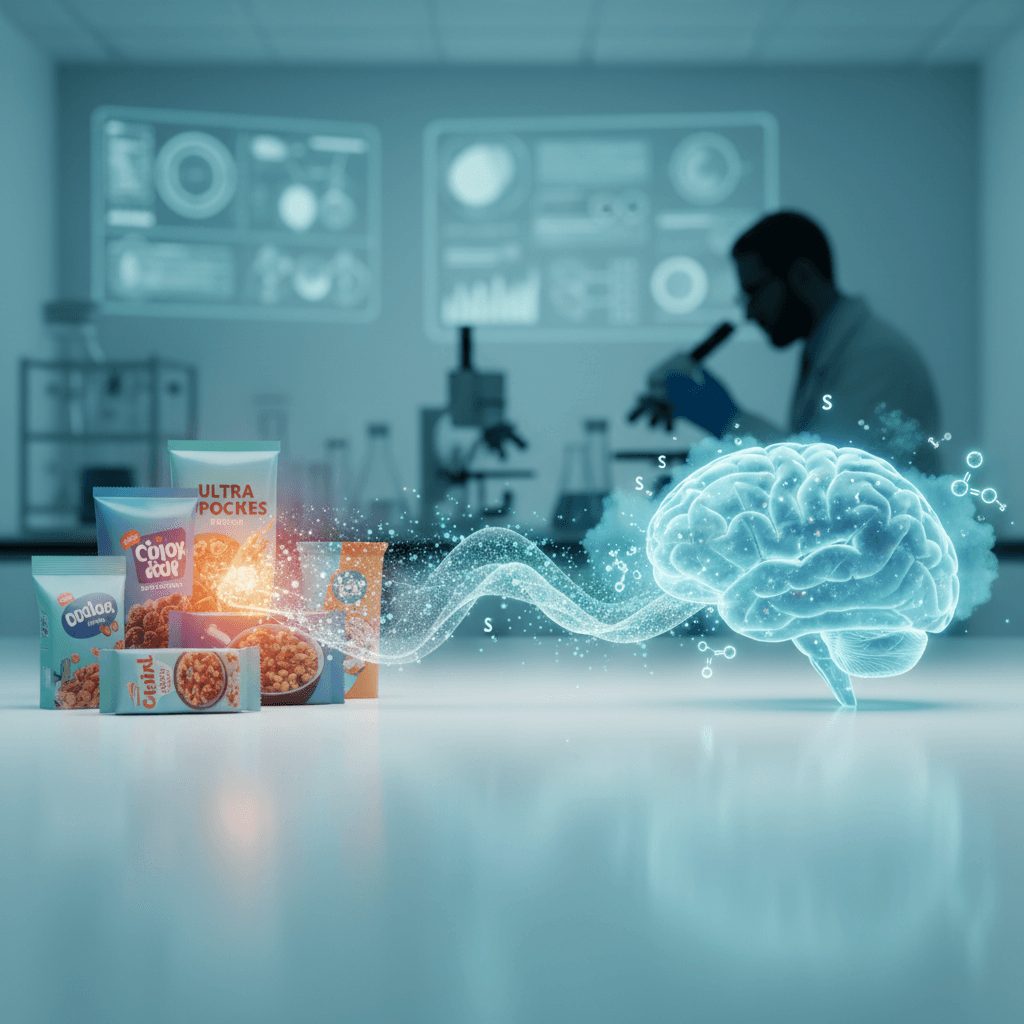
Ultra-Processed Food Consumption Linked to Increased Risk of Depression, Study Finds
A concerning new study has found a link between consumption of ultra-processed foods and a potential increased risk of developing depression. The research, published in a peer-reviewed journal, adds to the growing body of evidence suggesting a connection between diet and mental well-being.
What the Research Shows
The study, which examined data from a large group of adults over a number of years, showed that individuals who consumed higher amounts of ultra-processed foods had a potentially higher risk of being diagnosed with depression compared to those who ate the least. Ultra-processed foods are generally defined as ready-to-eat or heat products high in sugar, fat, and salt, and often contain artificial flavors, colors, and preservatives. Examples include packaged snacks, sugary drinks, processed meats, and instant noodles.
Researchers analyzed the participants' dietary habits using food frequency questionnaires and tracked their mental well-being. The findings controlled for various factors such as age, sex, socioeconomic status, and lifestyle choices, suggesting the link between ultra-processed food intake and depression risk may be independent of these other variables. The specific mechanisms by which ultra-processed foods may be associated with depression are still being investigated. However, potential factors include the impact of these foods on gut health, inflammation, and the disruption of brain chemicals involved in mood regulation. Some scientists believe the nutrient content of ultra-processed foods, combined with the presence of less healthy ingredients, may potentially impact brain function.
Why This Matters
These findings have implications for public health. Depression is a concern worldwide, and its prevalence is increasing. Understanding modifiable factors, such as diet, is important for prevention and intervention efforts. This research suggests that reducing the intake of ultra-processed foods and promoting healthier dietary patterns could play a role in lowering the risk of depression. The implications extend beyond individual health as well. Consumption of ultra-processed foods contributes to patterns of poor nutrition, impacting productivity and overall societal well-being.
What Experts Are Saying
While the study provides evidence, experts caution that it demonstrates an association, not causation. More research is needed to fully understand the complex relationship between ultra-processed food consumption and depression. It is possible that other factors not accounted for in the study may contribute to the observed link. Additionally, some researchers emphasize the importance of considering the overall dietary pattern, rather than focusing solely on ultra-processed foods. A balanced diet rich in fruits, vegetables, whole grains, and lean protein is important for both physical and mental well-being. It is also important to acknowledge that mental well-being is complex, and diet is just one aspect. Other factors also play significant roles.
Looking Ahead
Future research should focus on exploring the specific biological mechanisms that may link ultra-processed foods to depression. Longitudinal studies that track individuals over longer periods and intervention trials that assess the impact of dietary changes on mental health are needed. Further investigation into the role of gut health, inflammation, and brain neurochemistry is also warranted. This line of research has the potential to inform the development of dietary interventions and public health strategies.
The Bottom Line
A new study adds to the discussion around ultra-processed foods, linking their consumption to a potential increased risk of depression. While more research is needed to confirm causation and understand the underlying mechanisms, the findings underscore the importance of prioritizing a balanced diet for overall well-being. This research highlights the potential for dietary changes to play a role in supporting mental well-being and improving overall public health.
This article is for informational purposes only and does not constitute medical advice. Always consult with a qualified healthcare provider for medical guidance.