AI-Powered Ultrasound Enhances Accuracy of Thyroid Nodule Biopsies
Quick Answer
AI-enhanced ultrasound improves thyroid nodule biopsy accuracy, reducing unnecessary procedures & boosting patient outcomes. Smarter diagnosis!
AI-Powered Ultrasound Enhances Accuracy of Thyroid Nodule Biopsies
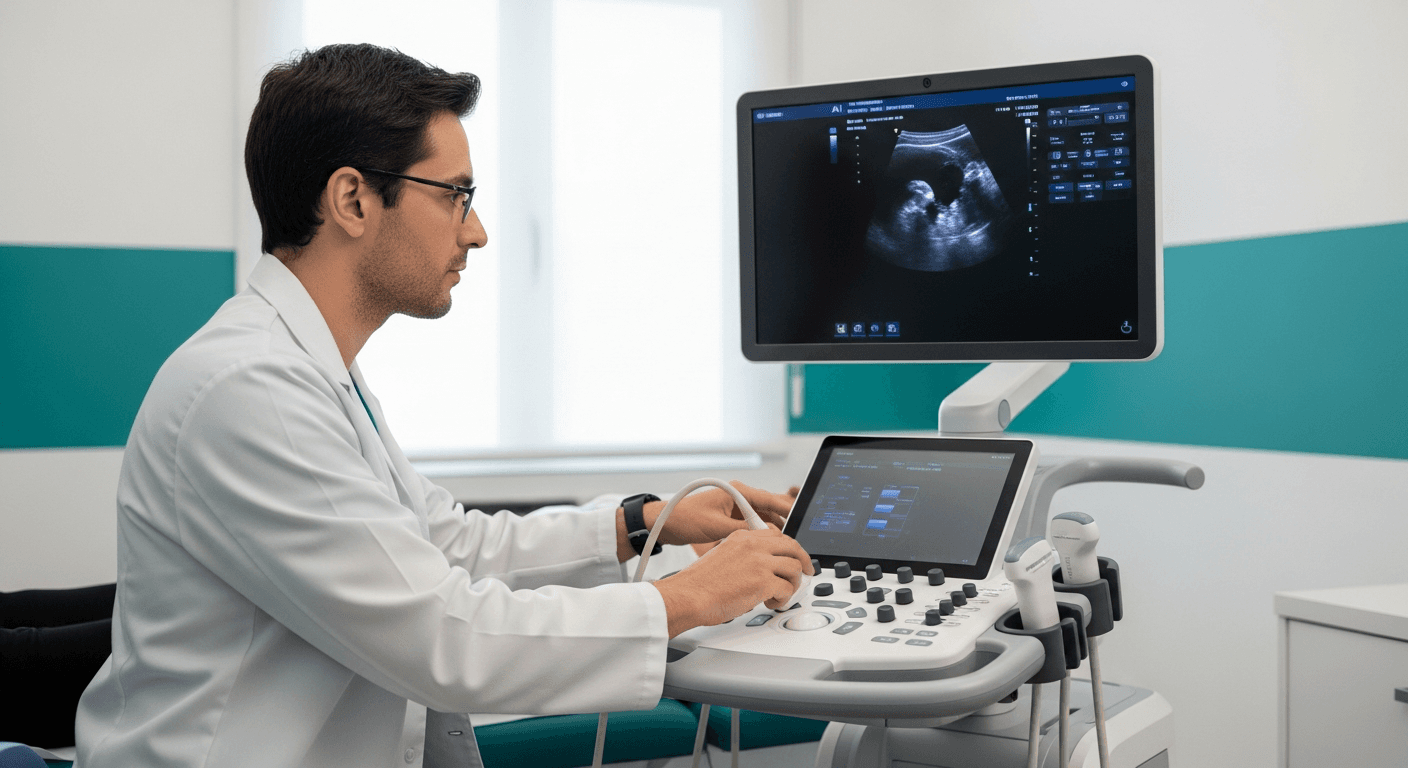
Artificial intelligence is making strides in medical imaging. New research suggests that AI-enhanced ultrasound may improve the accuracy of thyroid nodule biopsies, potentially reducing unnecessary procedures and improving patient outcomes. This technology assists doctors in identifying which nodules are most likely to be cancerous, leading to more informed decisions about treatment.
What the Research Shows
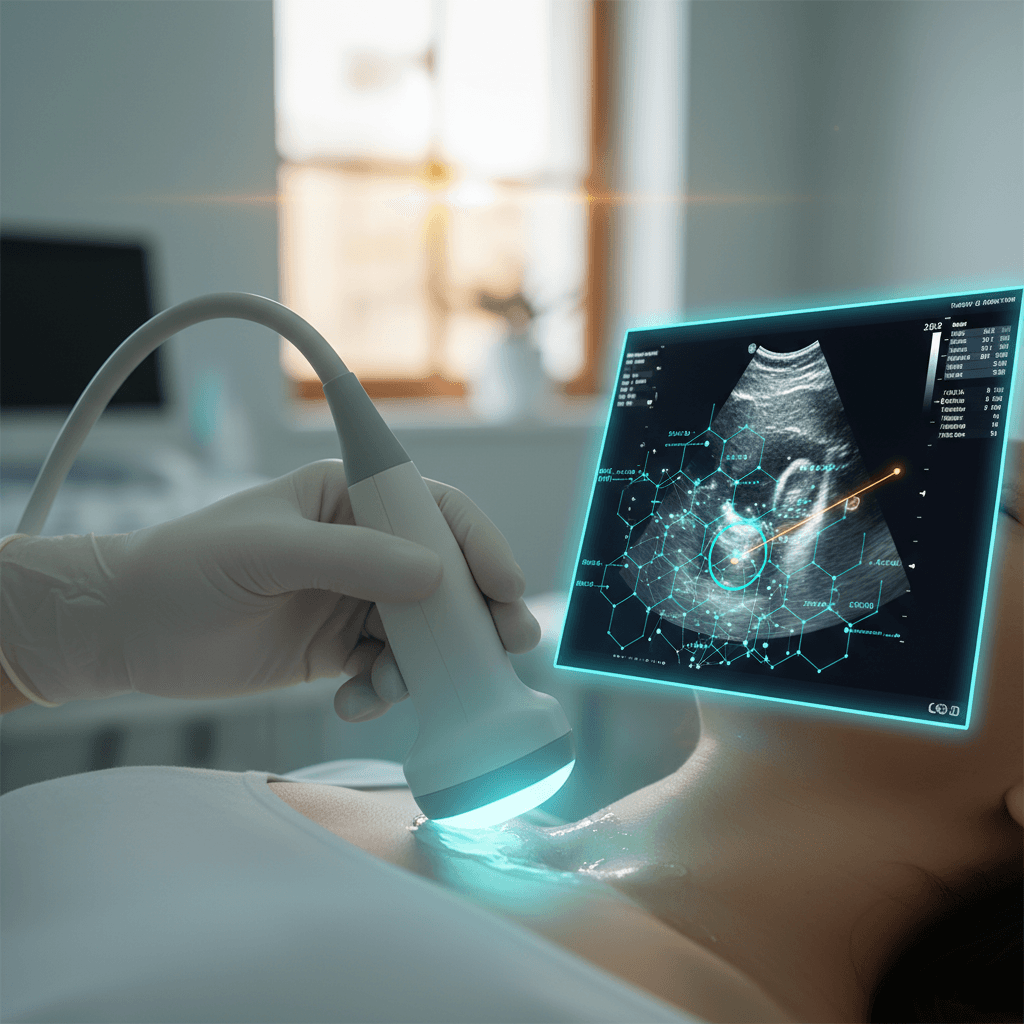
A recent study published in a leading medical journal examined the efficacy of AI-assisted ultrasound in guiding thyroid nodule biopsies. Researchers found that the AI system, trained on a vast database of ultrasound images and corresponding biopsy results, could distinguish between benign and malignant nodules with greater precision than traditional ultrasound imaging alone. The AI algorithms analyze various features of the nodules in real-time, including size, shape, margin characteristics, and internal composition, providing the physician with an objective assessment of the nodule's risk.
The study revealed a reduction in false negatives – instances where a cancerous nodule is initially deemed benign – when using the AI-enhanced ultrasound. This is particularly important as false negatives can lead to delayed diagnosis and treatment. The improved accuracy also translated to a potential decrease in the number of unnecessary biopsies performed on benign nodules, which could save patients from the discomfort, anxiety, and potential complications associated with the procedure.
This research builds upon previous studies demonstrating the potential of AI in medical imaging. Machine learning algorithms are particularly well-suited to analyzing complex image data and identifying subtle patterns that may be missed by the human eye. The training process involves feeding the AI system a large dataset of labeled images, allowing it to learn the characteristics associated with different conditions. Once trained, the AI can then be used to assist clinicians in making more informed diagnostic and treatment decisions.
Why This Matters
Thyroid nodules are common, affecting a significant portion of the population. While most are benign, a small percentage are cancerous. Determining which nodules require further investigation, typically through a biopsy, has traditionally relied on interpretation of ultrasound images by experienced physicians. This process can be prone to variability, potentially leading to both missed cancers and unnecessary biopsies.
The introduction of AI-powered ultrasound offers a more objective and standardized approach to thyroid nodule assessment. By providing physicians with an additional layer of information and analysis, this technology may help to improve diagnostic accuracy, reduce the number of unnecessary biopsies, and potentially lead to earlier and more effective treatment for patients with thyroid cancer. For patients, this could translate to less anxiety, fewer invasive procedures, and improved peace of mind. It may also reduce healthcare costs associated with unnecessary interventions.
What Experts Are Saying
Experts in the field of endocrinology and radiology are cautiously optimistic about the potential of AI-assisted ultrasound in thyroid nodule management. While acknowledging the promising results of recent studies, they emphasize that AI should be viewed as a tool to assist, not replace, the expertise of experienced clinicians.
Additionally, experts caution that the performance of AI systems can vary depending on the quality of the training data and the specific patient population. Further research is needed to validate the generalizability of these findings across different settings and to ensure that AI algorithms do not perpetuate existing biases in healthcare.
Looking Ahead
The future of AI in thyroid nodule assessment is promising. Ongoing research is focused on refining AI algorithms, expanding the datasets used for training, and developing more user-friendly interfaces for clinicians. Future studies will also explore the potential of AI to predict the aggressiveness of thyroid cancers, allowing for more personalized treatment strategies.
One key area of focus is the integration of AI with other diagnostic modalities, such as molecular testing, to create a comprehensive risk assessment tool. By combining imaging data with genetic information, clinicians can gain a more complete understanding of a nodule's characteristics and tailor treatment accordingly.
The Bottom Line
AI-powered ultrasound is emerging as a valuable tool for improving the accuracy of thyroid nodule biopsies. By assisting physicians in distinguishing between benign and malignant nodules, this technology has the potential to reduce unnecessary procedures, improve diagnostic accuracy, and potentially lead to better outcomes for patients with thyroid disease.
Sources & Further Reading
For more information on this topic, visit these trusted resources:
This article is for informational purposes only and does not constitute medical advice. Always consult with a qualified healthcare provider for medical guidance.