AI-Powered Microscope Diagnoses Infections in Minutes
Quick Answer
AI microscope offers rapid infection diagnosis. Results in minutes, not days! Faster, more accurate.
Imagine getting a diagnosis for an infection more quickly than waiting days. That's the potential of a new AI-powered microscope!
What You Need to Know
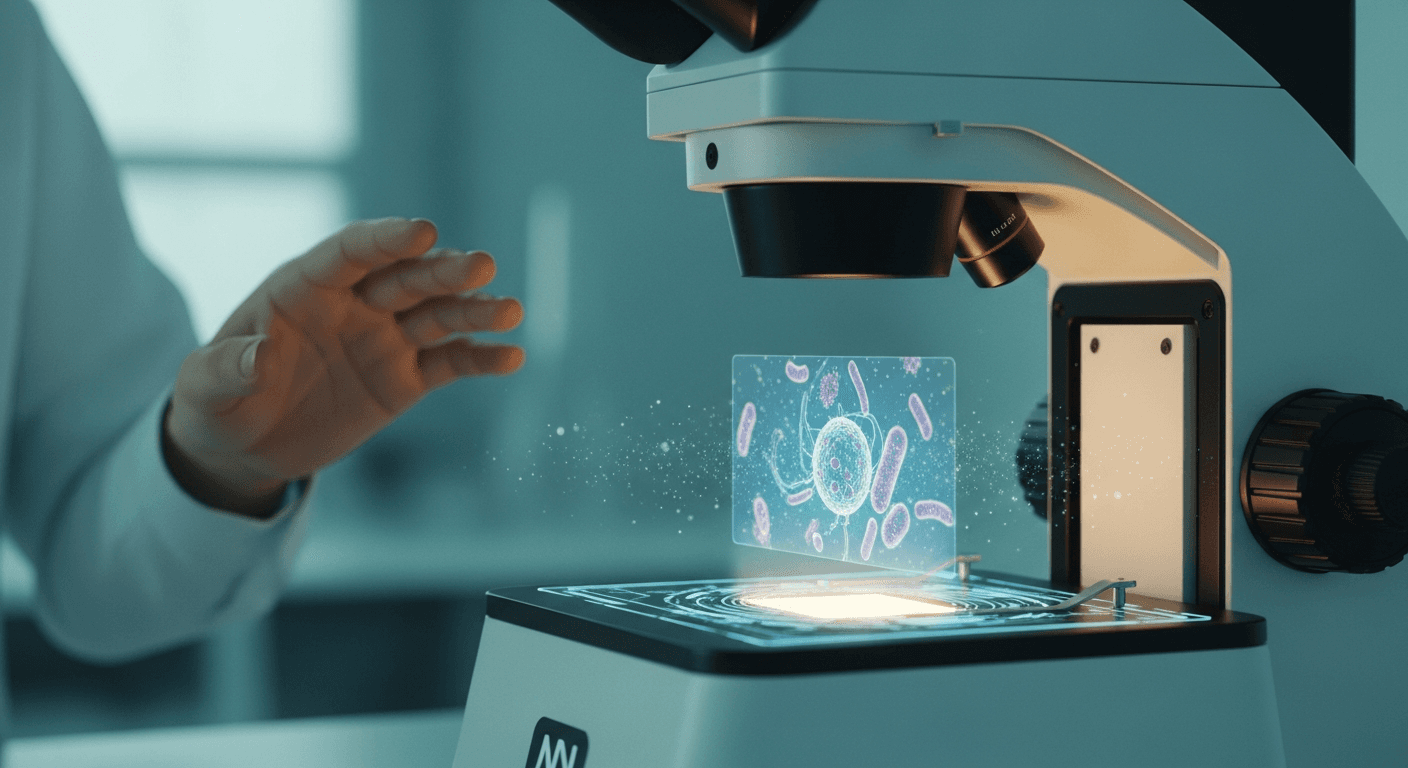
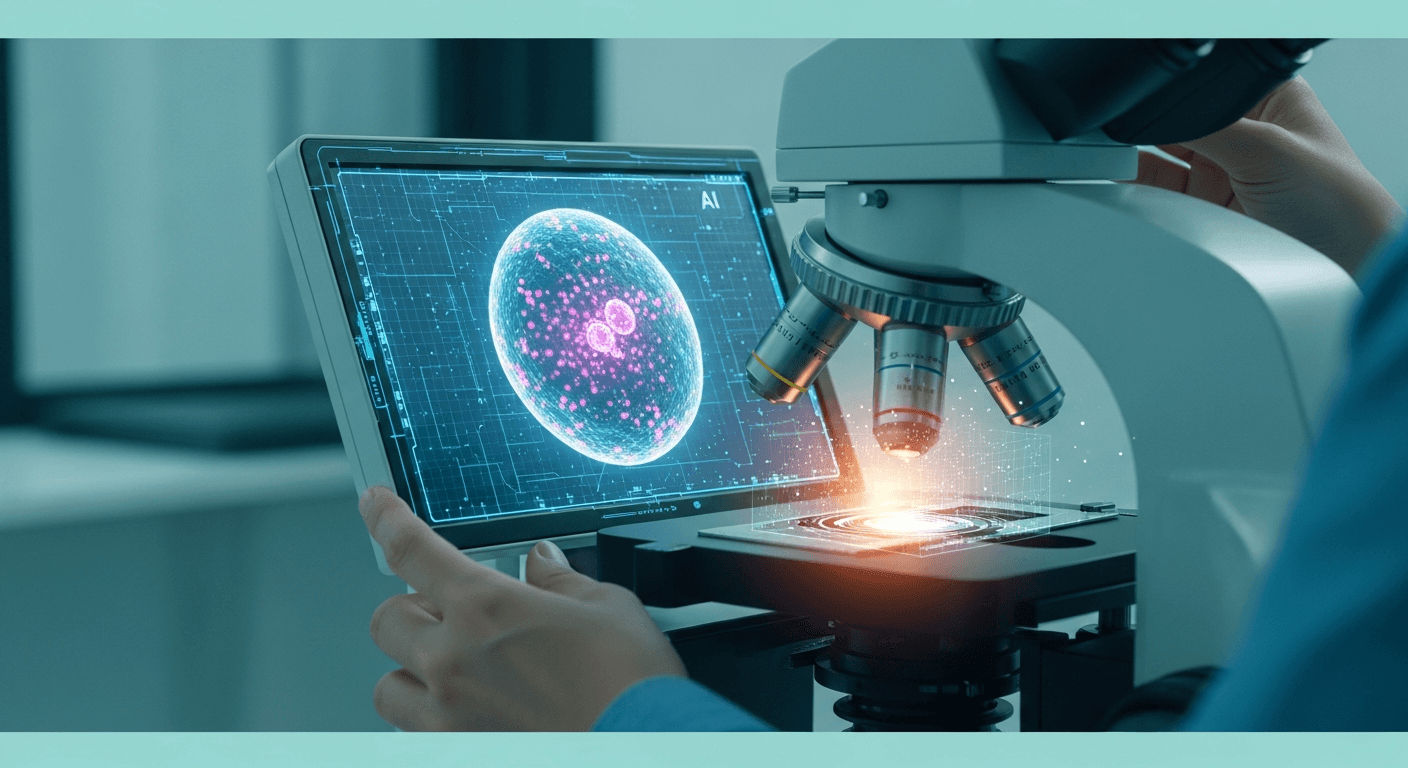
This new microscope uses artificial intelligence (AI) to quickly identify infections. Traditional methods can take days, as samples often need to be grown in a lab. This AI microscope can analyze samples faster, potentially offering results in minutes. It works by scanning samples and using AI algorithms to detect specific bacteria or viruses. This could revolutionize how doctors diagnose and treat infections.
Why It Matters
For patients, this may mean faster diagnoses and quicker access to treatment. Imagine having a bad cough and potentially getting an answer the same day about whether it's a simple cold or something more serious like the flu. This could reduce the spread of infections, lower healthcare costs, and improve patient outcomes. Early diagnosis may also prevent complications from infections.
Key Takeaways
AI-powered microscopes may diagnose infections in minutes. Faster diagnosis could mean quicker treatment and better outcomes. This technology could significantly reduce the spread of infectious diseases.
Actionable Advice / What Experts Say
Doctors are enthusiastic about the potential of this technology. They believe it may help them make better decisions about patient care. While this technology is promising, it's important to remember that it's just one tool in the diagnostic process. Doctors will still use their expertise and other tests to provide the best possible care. If you're concerned about an infection, see your doctor right away.
The Bottom Line
AI-powered microscopes offer a potentially faster and more efficient way to diagnose infections, possibly leading to quicker treatment. It's a step forward in fighting infectious diseases.
Sources & Further Reading
Disclaimer: This article is for informational purposes only and does not constitute medical advice.*