How to Build a Healthy Plate: A Step-by-Step Guide
Quick Answer
Learn to build a balanced plate with our step-by-step guide, verified by Dr. Carter. Fuel your body with the right nutrients!
Building a healthy plate is like creating a foundation for your body! It's about choosing a variety of foods in appropriate amounts to support your day and well-being. It's an approachable way to help ensure you're getting the nutrients you need.
What You Need to Know
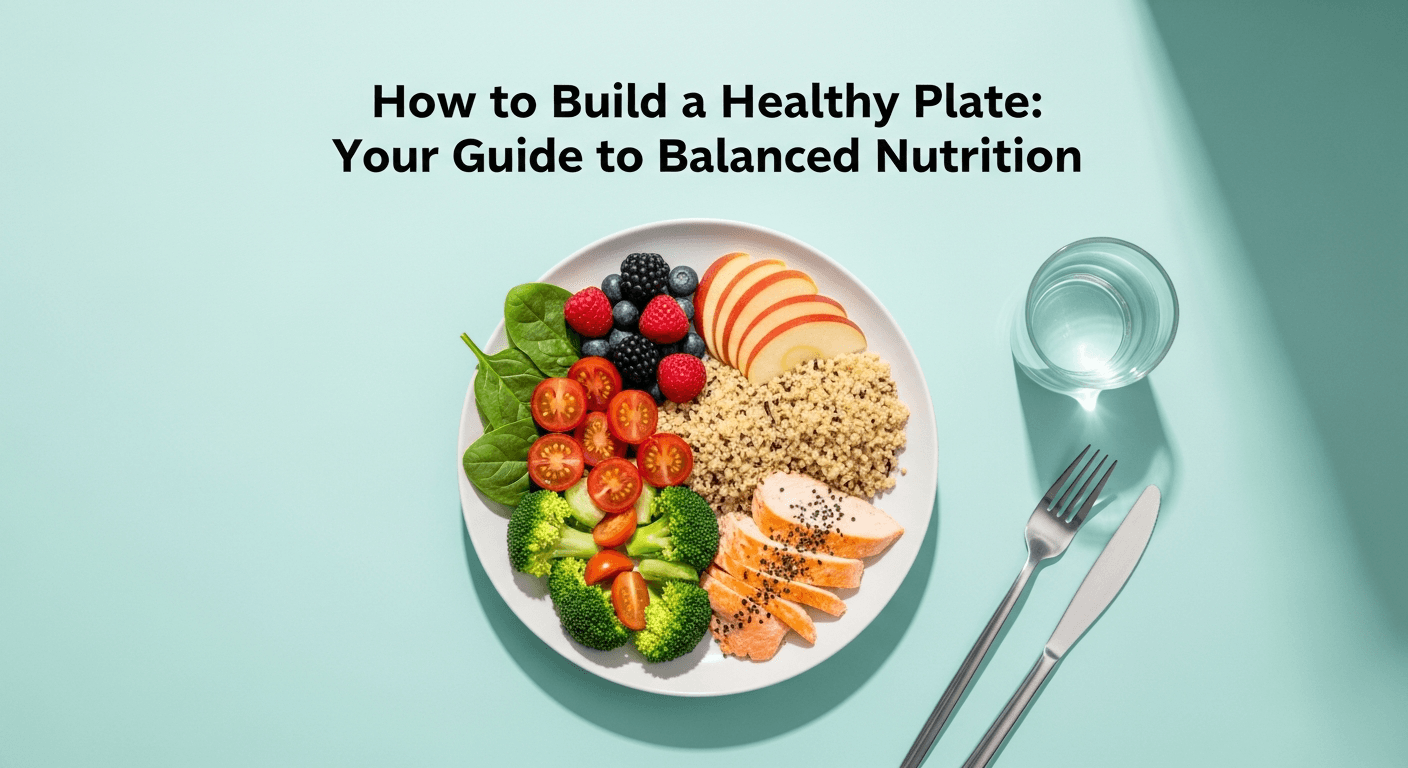
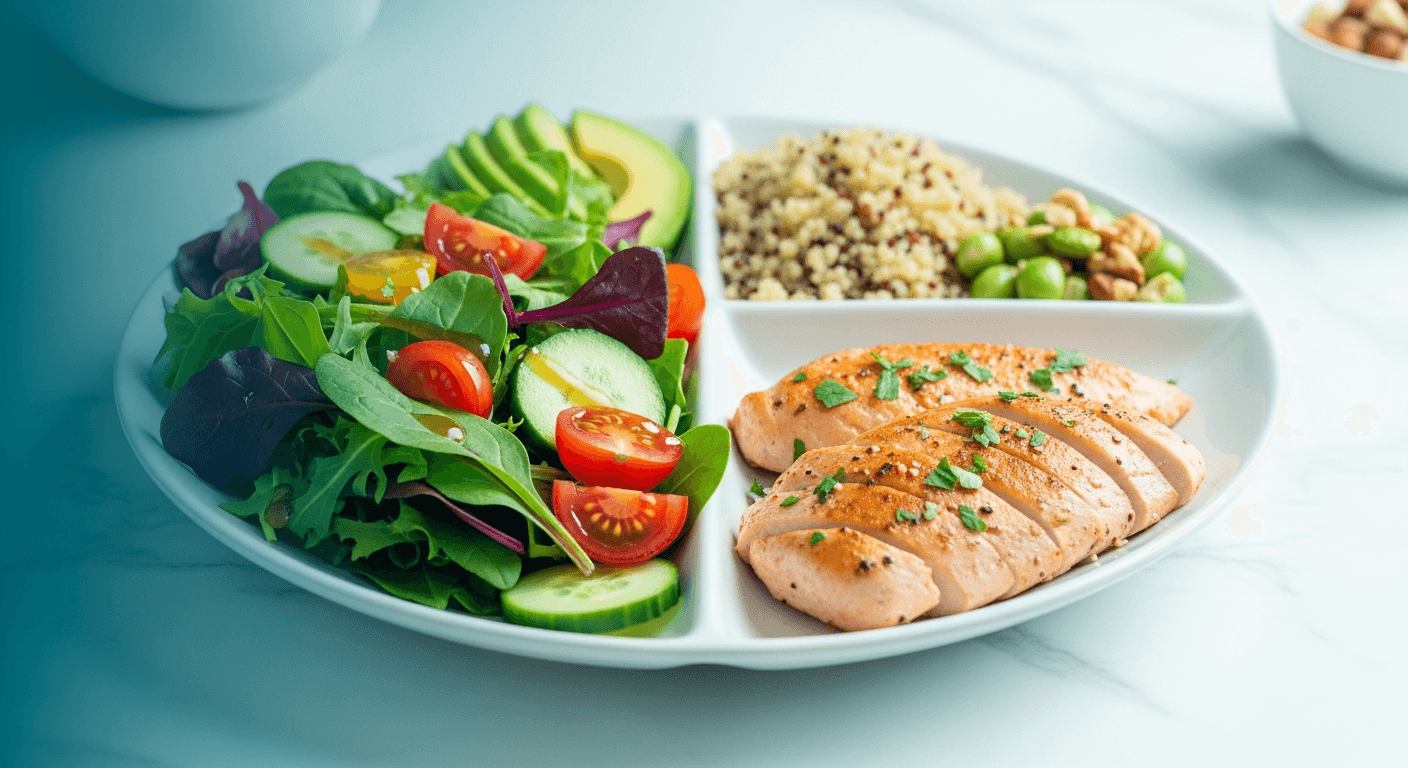
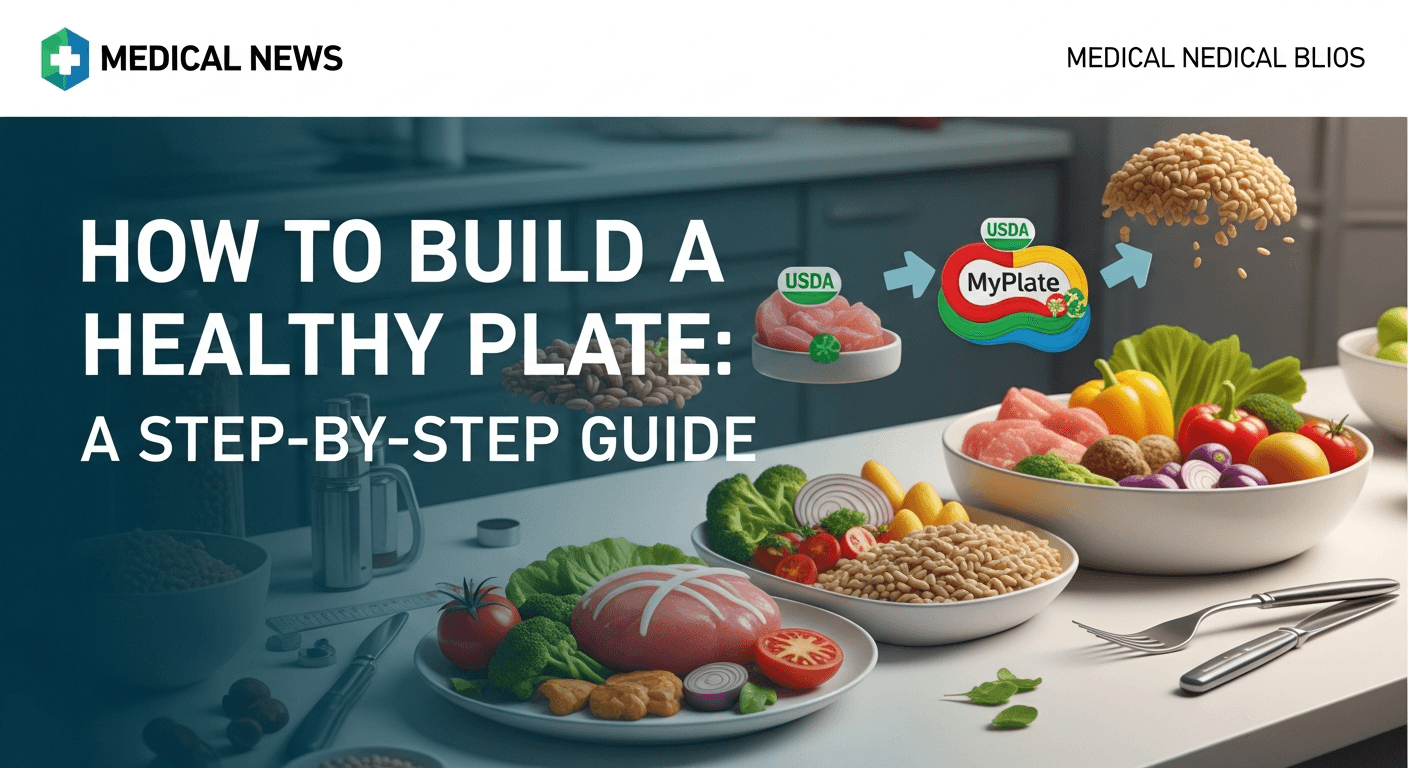
A healthy plate is a guide to help you approach eating well without strict calorie counting or constant food weighing. It suggests how to consider food groups: fruits, vegetables, grains, and protein. It also encourages including healthy fats! It's a visual aid that may help with balanced meal choices.
The idea is to consider filling half your plate with fruits and vegetables. Then, consider dividing the other half between grains and protein. You might add a serving of dairy or a healthy fat on the side.
Why It Matters
Eating with a healthy plate approach may help you:
Get more vitamins and minerals. Maintain a healthy weight. Have more energy. Lower your risk of certain conditions.
It's a way to support your overall health!
Key Takeaways
Aim for half your plate to be fruits and vegetables. Consider dividing the other half between grains and protein. Choose whole grains over refined grains when possible. Pick lean protein sources like chicken, fish, beans, or tofu. Include healthy fats in moderation.
Actionable Advice / What Experts Say
Nutrition experts often recommend focusing on variety within each food group. Trying different colored fruits and vegetables may help you get a range of nutrients. Choose whole grains like brown rice, quinoa, or whole-wheat bread when possible.
It's okay to start gradually. You might begin by adding one more serving of vegetables. Over time, you can make more changes.
The Bottom Line
Building a healthy plate is a simple way to approach a balanced diet. It’s about progress towards a healthier you! By considering these guidelines, you can create meals that may nourish your body.
Sources & Further Reading
Disclaimer: This article is for informational purposes only and does not constitute medical advice.*
Related Clinical Tool: Use Medikle's free BMI & Ideal Weight Calculator to calculate your Body Mass Index and healthy weight range.
Related Clinical Tool: Use Medikle's free TDEE & Daily Calorie Calculator to calculate your daily caloric expenditure and macro targets.