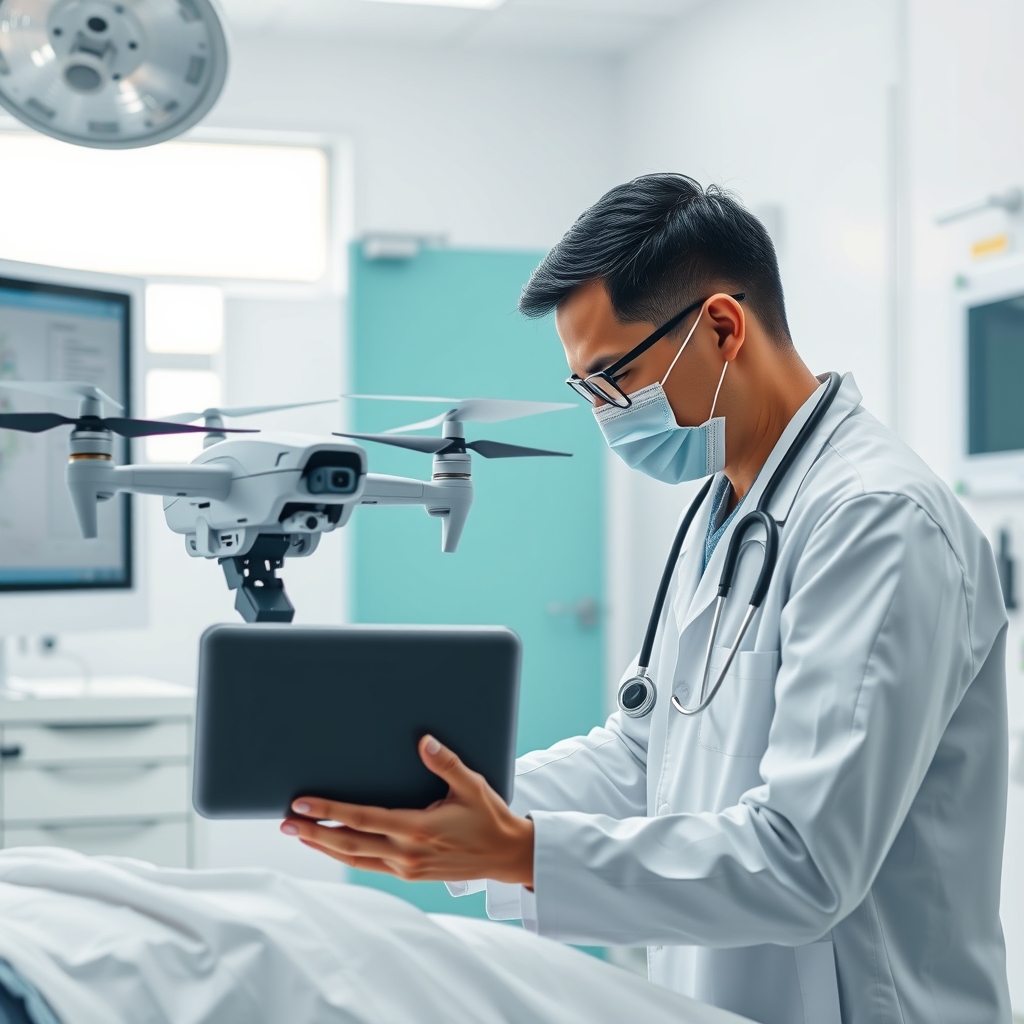
AI-Powered Computer Vision Revolutionizes Remote Physical Therapy
Quick Answer
A new AI-powered computer vision technology is transforming remote physical therapy, providing real-time feedback on exercises directly through a patient's device camera. This innovation aims to boost adherence, potentially improve outcomes, and make physical therapy more accessible and effective for everyone, regardless of their location or mobility.
Updated July 11, 2026
Quick Answer: A new AI-powered computer vision technology is transforming remote physical therapy, providing real-time feedback on exercises directly through a patient's device camera. This innovation aims to boost adherence, potentially improve outcomes, and make physical therapy more accessible and effective for everyone, regardless of their location or mobility.
Starting physical therapy (PT) is often a crucial step in recovering from injury, managing chronic pain, or regaining function after surgery. However, the path to recovery can be challenging, with many patients struggling to complete their full course of treatment. Common hurdles include the time and cost of travel to clinics, scheduling conflicts, and simply finding the motivation to perform exercises correctly and consistently at home without direct supervision.
These barriers frequently lead to missed appointments and improper exercise form, which can slow recovery or even worsen conditions. The good news is that a groundbreaking development is set to change this landscape. Researchers have developed an AI-powered computer vision system that brings the precision of in-clinic guidance directly into your home, promising to revolutionize how we approach remote physical therapy.
Contents
- The Breakthrough Explained
- Why This Matters for Patients
- What the Experts Are Saying
- What Comes Next
- When to Talk to Your Doctor
The Breakthrough Explained
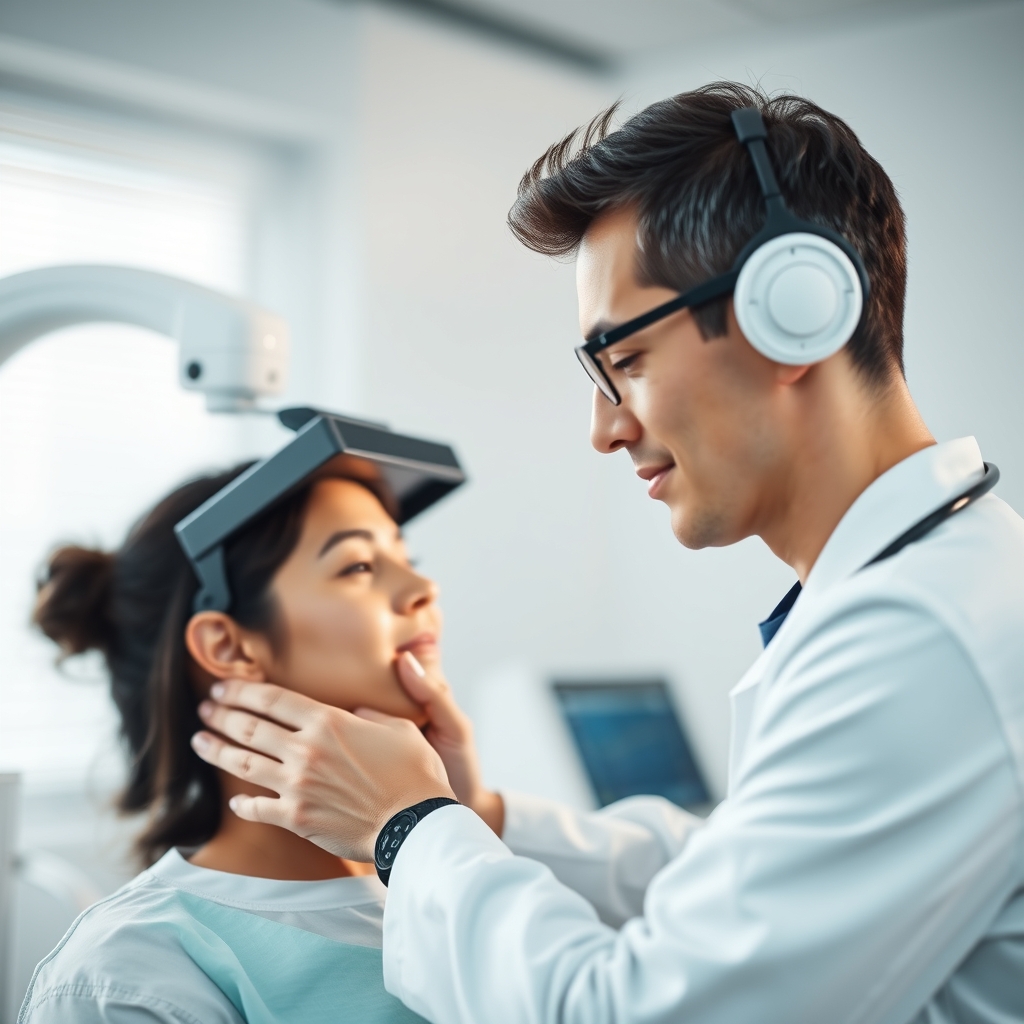
The core of this innovative system is artificial intelligence (AI) combined with computer vision technology. Essentially, a standard camera—like the one on your smartphone, tablet, or computer—becomes your personal physical therapy coach. As you perform your prescribed exercises, the AI analyzes your movements in real time.
This sophisticated AI has been trained on vast datasets of human movement, understanding what correct form looks like for hundreds of exercises. It can instantly detect subtle differences between your movements and the ideal form, such as incorrect posture, incomplete range of motion, or an awkward angle. When it identifies a discrepancy, the system provides immediate audio and visual feedback. For example, it might say, "Raise your arm higher," or show an on-screen overlay highlighting how to adjust your knee position.
Beyond just correcting form, the system accurately tracks repetitions, measures the range of motion for each joint, and monitors the overall consistency of your movements. This detailed data helps your physical therapist understand your progress better, allowing them to adjust your treatment plan more effectively and celebrate your achievements with you. It transforms passive home exercises into an interactive and guided experience.
Why This Matters for Patients
This breakthrough holds immense potential to improve the lives of many patients needing physical therapy. It addresses critical issues of access, adherence, and effectiveness.
Adults
For working-age adults, busy schedules often make consistent physical therapy a challenge. Travel to and from clinics can be a significant time commitment, leading to missed sessions or incomplete treatment plans. This AI-powered system provides the flexibility to perform exercises at home, at a time that suits you, without sacrificing the quality of feedback.
Being able to continue therapy without disrupting work or family life means better adherence to the treatment plan. Improved adherence often translates into better recovery outcomes, helping adults return to their daily activities and work faster and with less pain. For individuals managing chronic conditions, this technology also allows for ongoing, consistent care that fits seamlessly into their lives.
Older Adults
Older adults often face unique challenges with physical therapy, including limited mobility, transportation difficulties, and a higher risk of falls, as explored in our article, Why Falls Happen in Older Adults and How to Boost Your Balance. This new AI system could be particularly beneficial, reducing the need for travel to clinics, which can be strenuous and costly.
The real-time feedback can help ensure older adults perform exercises safely and correctly, potentially minimizing the risk of injury during home practice. This is crucial for conditions like arthritis, post-surgical recovery, or balance training, where precise movements are key. By making PT more accessible and safer at home, it empowers older adults to maintain their independence and quality of life with less reliance on caregivers for clinic transport.
Children and Teens
For children and teens, physical therapy can sometimes feel like a chore, especially when it involves frequent clinic visits that interfere with school or social activities. This AI-powered computer vision system offers an engaging and interactive way for younger patients to complete their exercises. The immediate feedback and gamified elements that could be integrated might make therapy feel less like work and more like an activity.
It’s especially valuable for managing conditions like cerebral palsy, recovering from sports injuries, or post-operative rehabilitation, where consistent and correct exercise is critical for developing strength and coordination. By making home therapy more appealing and effective, it may lead to better outcomes and help children and teens get back to being themselves more quickly.
What the Experts Are Saying
Leading experts in rehabilitation medicine and artificial intelligence are expressing considerable excitement about the potential of this new technology. Many believe it could democratize access to high-quality physical therapy, reaching individuals in rural areas or those with mobility limitations who previously struggled to receive consistent care. Researchers suggest that by providing objective data on patient performance, therapists could gain deeper insights into progress and challenges.
Clinicians note that while human interaction remains invaluable, this AI tool could significantly enhance the efficacy of remote sessions. It may free up therapists to focus more on complex clinical reasoning and personalized motivation, rather than constant form correction. Evidence suggests that systems offering real-time feedback can notably improve patient engagement and adherence, potentially leading to more consistent progress and better long-term results than traditional home exercise programs.
What Comes Next
While the initial results are promising, this AI-powered computer vision system is currently undergoing further clinical trials to rigorously test its effectiveness and safety across diverse patient populations. Researchers are working towards optimizing the AI algorithms and user interface to ensure it is intuitive and reliable for everyone. The regulatory pathway, likely involving evaluation by bodies like the FDA, will be a critical next step before widespread availability.
It is anticipated that, following successful trials and regulatory approval, the technology could begin to be integrated into existing telehealth platforms and remote monitoring systems. This could happen within the next two to five years. For instance, it could work seamlessly with innovations like the AI-Powered Remote Monitoring System that Predicts and Manages Heart Failure Exacerbations at Home, creating a comprehensive home care ecosystem. We might also see its principles applied to areas like AI-Enhanced AR: The Future of Remote Surgical Guidance, further transforming healthcare delivery. This widespread integration could make physical therapy more accessible and effective than ever before, potentially bridging language gaps with tools similar to the AI-Powered Real-time Translation that Bridges Language Gaps in Telehealth.
When to Talk to Your Doctor
Seek immediate medical attention if you experience:
- Sudden, severe pain that does not subside
- Numbness, tingling, or weakness in a limb
- Loss of bowel or bladder control
If this topic is relevant to a chronic condition you manage or a recovery plan you are on, bring this article to your next appointment to discuss whether it changes your care plan. Your doctor or physical therapist can provide personalized advice based on your specific health needs and goals.
Sources & Further Reading
Disclaimer: This article is for informational purposes only and does not constitute medical advice. Always consult a qualified healthcare professional.