How to Identify Unknown Pills: A Complete Guide by Clinical Pharmacists
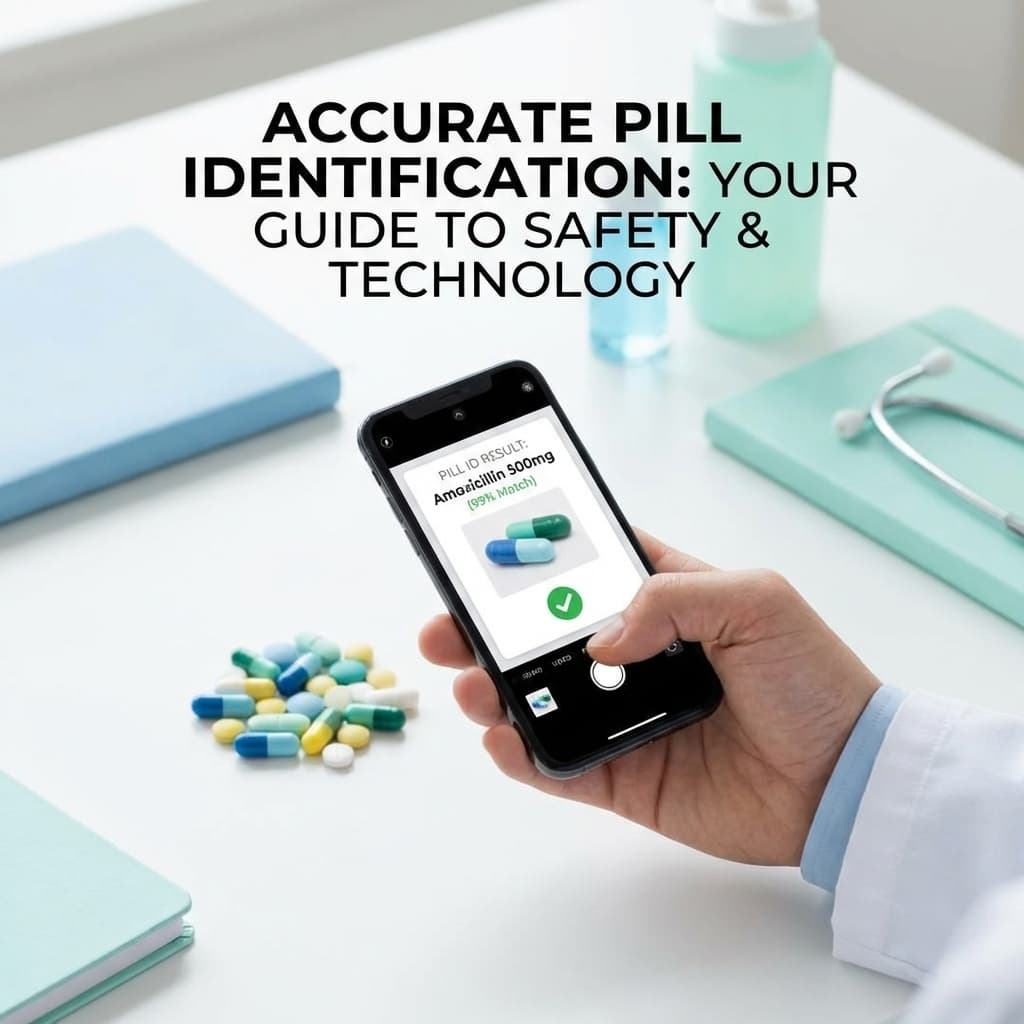
Quick Answer
To safely identify an unknown pill, inspect the unique imprint code (letters/numbers stamped on the tablet), color, and shape, then cross-reference with an FDA-approved database or use an AI pill scanner like Medikle. Never consume an unidentified medication.
Updated August 18, 2026
Quick Answer: To safely identify an unknown pill, inspect the unique imprint code (letters/numbers stamped on the tablet), color, and shape, then cross-reference with an FDA-approved database or use an AI pill scanner like Medikle. Never consume an unidentified medication.
Finding a loose tablet in your medicine cabinet, travel bag, or kitchen counter can be disquieting. In the United States alone, thousands of prescription medications share similar shapes and colors, making visual guesswork extremely hazardous.
Taking the wrong medication can lead to severe adverse reactions, dangerous drug-drug interactions, or treatment failure. This clinical guide breaks down the exact step-by-step verification methodology used by pharmacists and poison control centers to identify unknown pills safely.
The Four Key Physical Identifiers of Oral Medications
Federal regulations enforced by the U.S. Food and Drug Administration (21 CFR Part 206) require virtually all solid oral dosage forms—both prescription drugs and over-the-counter (OTC) products—to bear a unique, permanent imprint.
┌─────────────────────────────────────────────────────────────┐
│                 PILL IDENTIFICATION MATRIX                  │
├───────────────────┬─────────────────────────────────────────┤
│ Identifier        │ What to Record                          │
├───────────────────┼─────────────────────────────────────────┤
│ 1. Imprint Code   │ Exact letters, numbers, symbols, logos  │
│ 2. Color & Finish │ White, blue, mottled, scored, coated    │
│ 3. Physical Shape │ Round, oval, oblong, capsule, diamond   │
│ 4. Score Line     │ Single score, bisected, unscored        │
└───────────────────┴─────────────────────────────────────────┘
1. Imprint Codes (The Primary Verification Signal)
The imprint is the single most definitive identifier. Imprints may be stamped, debossed, or printed with edible ink on one or both sides of the tablet:
- Manufacturer Code / Initials: Letters indicating the pharmaceutical company (e.g., "WATSON", "TEVA", "M").
- Product Strength Code: Numbers representing the specific milligram strength (e.g., "10", "500").
- Symbols: Distinct geometric shapes or trademarked logos.
You can instantly look up imprint codes in our free Medikle Pill Identifier Tool.
2. Color and Dual-Tone Variations
Be precise with color classification. Many generic medications use subtle pastel shades:
- Note whether the tablet is uniform in color or has dual tones (common in hard-shell capsules).
- Observe if the tablet has a glossy film coating, enteric coating, or a chalky sublingual texture.
3. Physical Shape and Geometry
Common pharmaceutical shapes include:
- Round / Disc (e.g., standard Aspirin or Clonazepam)
- Oval / Elliptical (e.g., Metformin, Ciprofloxacin)
- Capsule / Oblong (e.g., Amoxicillin 500mg, Acetaminophen extra strength)
- Diamond / Triangular (e.g., Sildenafil 100mg)
Step-by-Step Pill Verification Workflow
Follow this 4-step protocol before taking or administering any unidentified pill:
graph TD
    A["Find Unidentified Pill"] --> B["Step 1: Inspect Imprint Code & Shape"]
    B --> C["Step 2: Search Medikle Pill Identifier"]
    C --> D{"Exact Match Found?"}
    D -- Yes --> E["Verify Dosage, Expiration & Label"]
    D -- No --> F["Contact Pharmacist or Poison Control (1-800-222-1222)"]
    E --> G["Safely Take or Dispose via Take-Back Program"]
Step 1: Examine the Tablet Under Bright Light
Use a magnifying lens or smartphone camera zoom under direct white light. Inspect both the front and reverse sides. If the pill is scored, check if numbers appear on both halves.
Step 2: Query the Clinical Database
Input your parameters into the Medikle Pill Identifier or cross-reference with the DailyMed National Library of Medicine Database.
Step 3: Check for Critical Drug Interactions
If you identify the drug (for example, Lisinopril or Atorvastatin), ensure it does not interact with your existing medications or supplements. Review our comprehensive guide on How to Dodge Dangerous Drug Interactions.
Step 4: When in Doubt, Ask a Licensed Pharmacist
If an imprint code is faded, partially dissolved, or matches multiple formulations, never guess. Bring the tablet in a sealed zip-top bag to your local pharmacy for physical verification.
What If a Pill Has No Imprint?
Under FDA guidelines, foreign medications, unregulated dietary supplements, illegal counterfeit pills, and custom compounding formulations are often unscored and unprinted:
| Scenario | Possible Reason | Clinical Recommendation |
|---|---|---|
| No imprint code found | Dietary supplement or herbal extract | Do not ingest unless original bottle is verified |
| Faded / scrubbed surface | Moisture damage or aged pill | Dispose safely; potency is compromised |
| Foreign packaging | Purchased outside US / EU | Verify through national regulatory database |
Safe Medication Storage and Disposal
- Keep in Original Prescription Containers: Original vials contain the NDC (National Drug Code), prescribing doctor, expiration date, and physical description of the tablet.
- Avoid High Humidity: Never store medications in bathroom medicine cabinets where steam accelerates chemical degradation.
- Use DEA Drug Take-Back Locations: Drop off expired or unidentified tablets at authorized pharmacy kiosks rather than flushing them into wastewater systems.