AI-Powered Smartwatch App Detects AFib with High Accuracy, Potentially Reducing Stroke Risk
Quick Answer
AI on your wrist? Smartwatch app shows promise in detecting AFib, potentially lowering stroke risk.
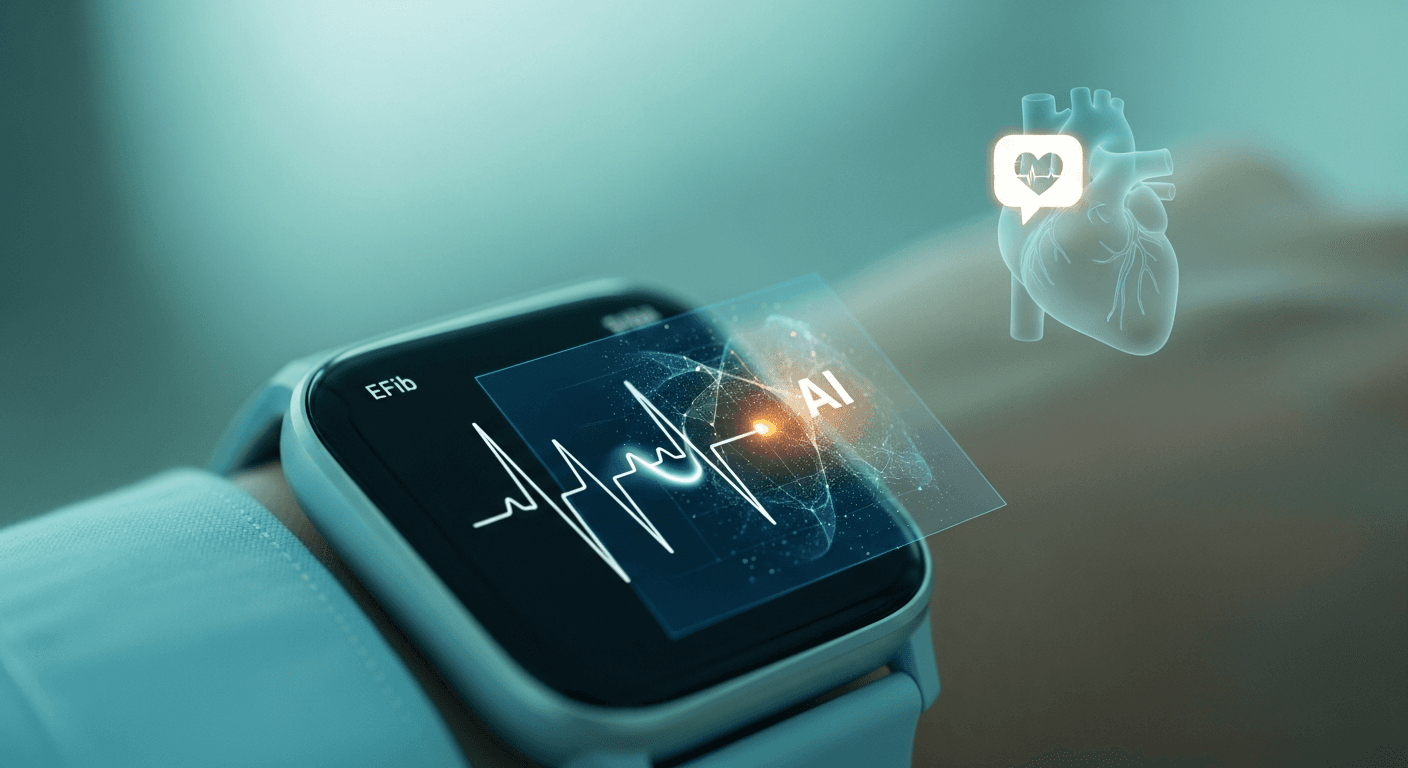
Imagine a smartwatch that could potentially help protect you from a stroke. New research suggests that an AI-powered app on smartwatches may detect Atrial Fibrillation (AFib) with considerable accuracy, potentially saving lives.
What You Need to Know
Atrial Fibrillation, or AFib, is a condition where your heart beats irregularly. This can lead to blood clots, which can travel to the brain and cause a stroke. Many people don't even know they have AFib. This app uses artificial intelligence to analyze the signals from your smartwatch and identify irregular heartbeats that could indicate AFib. The app has shown promising results in clinical trials.
Why It Matters
Early detection of AFib is crucial. If AFib is caught early, doctors can prescribe medications or perform procedures to help regulate your heartbeat and lower your risk of stroke. This app provides a convenient and accessible way for people to monitor their heart rhythm and potentially get the help they need, possibly preventing life-altering or even fatal events.
Key Takeaways
A new AI-powered smartwatch app may detect AFib with high accuracy. Early detection of AFib can significantly reduce the risk of stroke. This app provides a convenient way to monitor heart rhythm. The app requires a smartwatch with heart rate tracking capabilities. Talk to your doctor if you are concerned about AFib.
Actionable Advice / What Experts Say
If you have risk factors for AFib, such as high blood pressure, heart disease, or are over the age of 65, talk to your doctor about whether using a smartwatch with AFib detection is right for you. Remember that a smartwatch is not a replacement for regular checkups with your doctor. If the app alerts you to a potential issue, schedule an appointment with your doctor as soon as possible to get a professional diagnosis and treatment plan.
The Bottom Line
This AI-powered smartwatch app offers a promising new way to potentially detect AFib early, potentially reducing the risk of stroke. It's a great example of how technology can empower us to take better care of our health.
Sources & Further Reading
JAMA Network American Heart Association FDA
Disclaimer: This article is for informational purposes only and does not constitute medical advice.
Related Clinical Tool: Use Medikle's free CHA2DS2-VASc Stroke Risk Calculator to evaluate stroke risk and anticoagulation guidance in atrial fibrillation.