AI-Powered Smartwatch Detects Early Signs of Dehydration
Quick Answer
A new AI-powered smartwatch can detect early dehydration signs by analyzing subtle changes in heart rate and sweat composition. This technology offers personalized hydration alerts, potentially preventing serious health complications, especially for athletes and older adults.
Medically Reviewed by Dr. Eleanor Vance, MD, PhD | Nephrology | Updated March 25, 2026
Quick Answer: A new AI-powered smartwatch can detect early dehydration signs by analyzing subtle changes in heart rate and sweat composition. This technology offers personalized hydration alerts, potentially preventing serious health complications, especially for athletes and older adults.
Dehydration, a common condition where the body loses more fluids than it takes in, can lead to a range of health problems from fatigue and headaches to more severe complications like kidney damage and heatstroke. Current methods for monitoring hydration, such as thirst perception and urine color, are often unreliable and reactive, indicating dehydration has already set in. Now, researchers have developed an innovative AI-powered smartwatch that promises to detect dehydration early, offering a proactive approach to maintaining optimal hydration levels.
Contents
- The Breakthrough Explained
- Why This Matters for Patients
- What the Experts Are Saying
- What Comes Next
- When to Talk to Your Doctor
The Breakthrough Explained
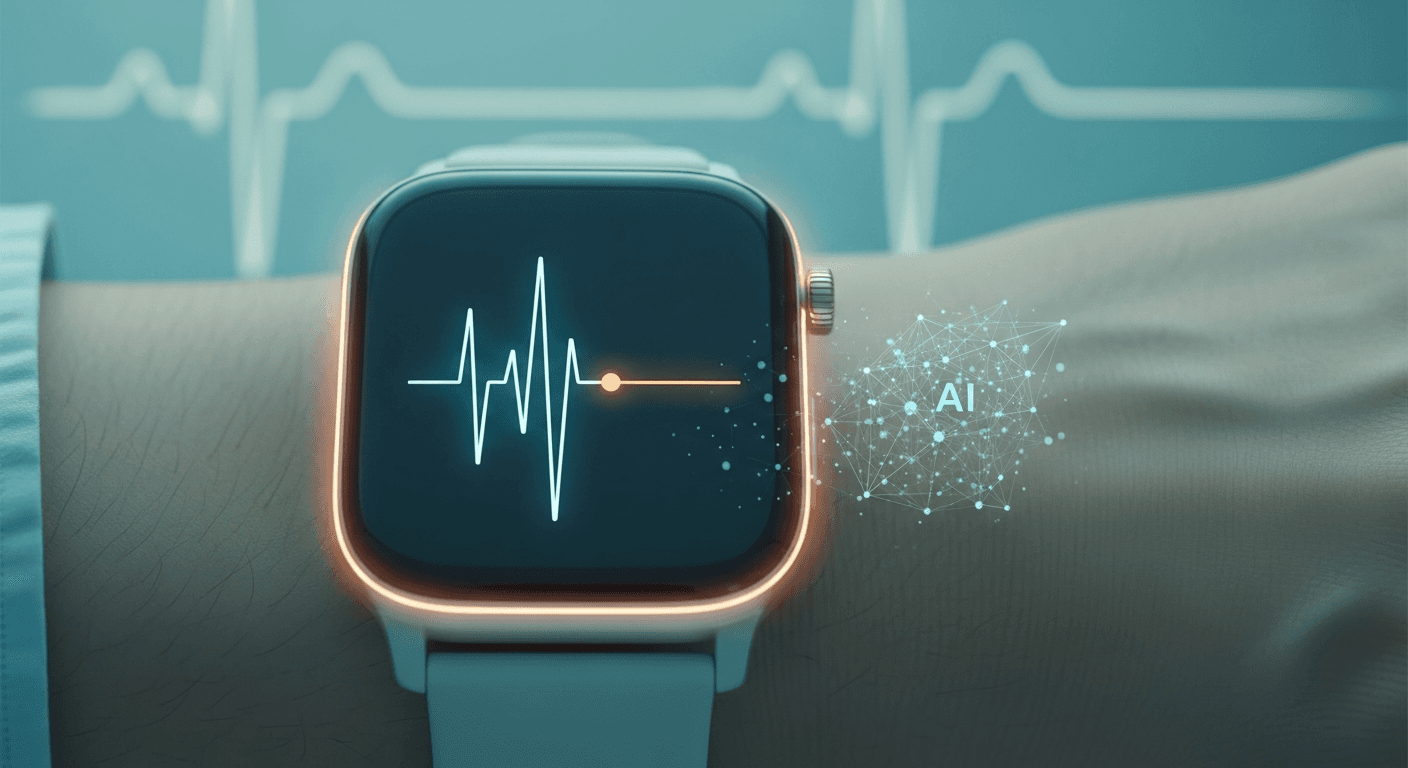
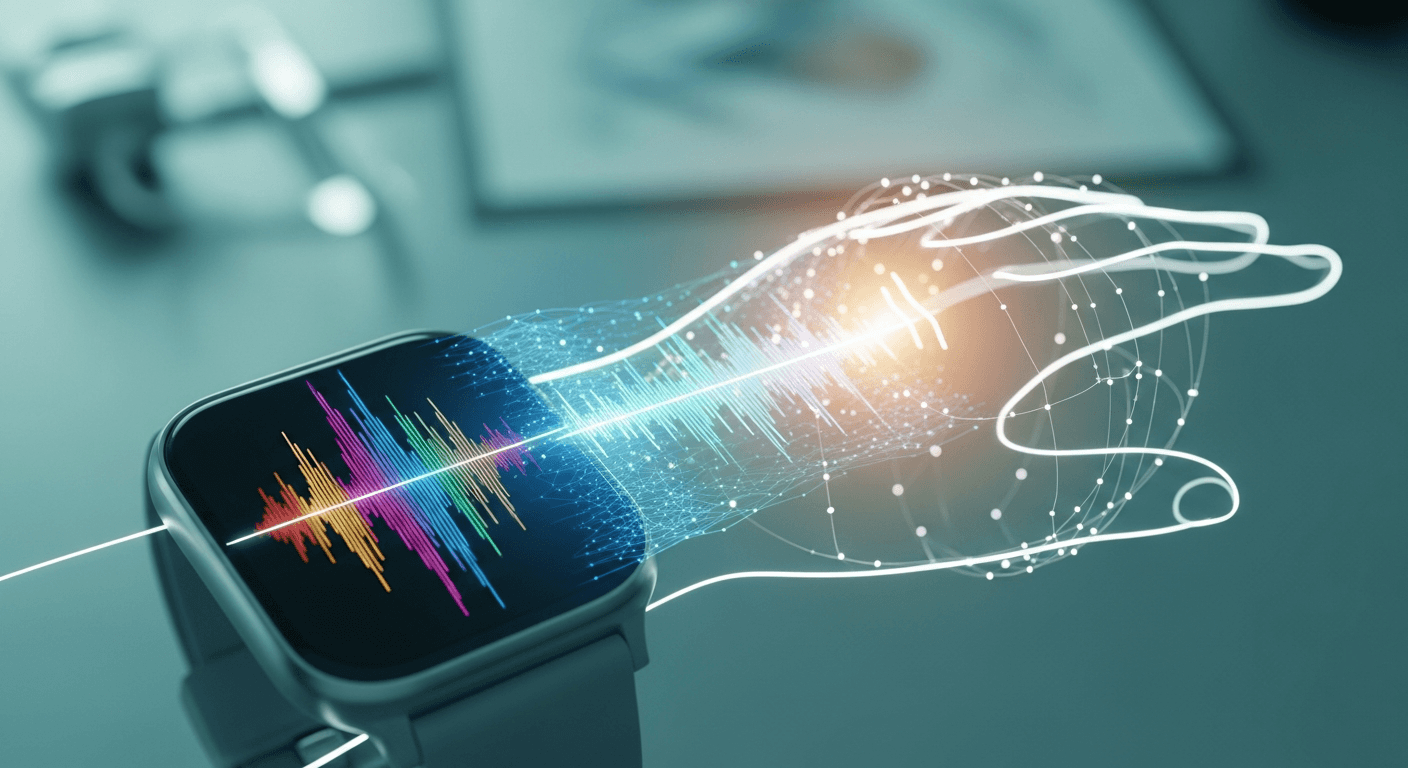
The newly developed smartwatch uses a combination of sensors and artificial intelligence (AI) to monitor a person's hydration status. The watch continuously tracks heart rate variability – subtle changes in the time between heartbeats – and analyzes sweat composition through miniature sensors on the watch face. These data points are then fed into a sophisticated AI algorithm trained to recognize patterns indicative of early dehydration.
The AI algorithm learns an individual's baseline physiological parameters to provide personalized hydration alerts. This means the smartwatch adapts to each user's unique body characteristics and activity levels, offering more accurate and relevant hydration recommendations. The AI-Powered Smartwatch App Detects AFib with High Accuracy, demonstrating the capability of wearables in monitoring heart conditions.
The watch provides real-time feedback and personalized recommendations through a connected smartphone app. Users receive notifications suggesting when and how much to drink, helping them stay ahead of dehydration throughout the day.
Why This Matters for Patients
This technology offers significant benefits for various patient groups. It offers a more proactive and personalized approach to hydration management.
Adults
For working-age adults, particularly those with physically demanding jobs or active lifestyles, the smartwatch may help optimize performance and prevent heat-related illnesses. By providing timely reminders to hydrate, the device may improve energy levels, concentration, and overall well-being throughout the workday. For athletes, the AI-powered insights can be crucial for maintaining peak performance and preventing performance decline due to dehydration.
Older Adults
Older adults are particularly vulnerable to dehydration due to age-related changes in thirst perception and kidney function. This AI-powered smartwatch can offer a crucial safety net, alerting individuals and their caregivers to potential dehydration risks before serious health consequences arise. The Ultimate Guide to Preventive Care: Staying Ahead of Health Issues emphasizes the importance of managing health risks as we age.
Children and Teens
Children and teens, especially those participating in sports or outdoor activities, can benefit from the watch's personalized hydration reminders. This is particularly relevant since children often do not recognize the early signs of dehydration. The AI-Powered Wearable Analyzes Sweat to Detect Onset of Cystic Fibrosis Exacerbations also underscores the potential of wearable technology in monitoring health indicators in children.
What the Experts Are Saying
Researchers involved in the development of the smartwatch believe it may revolutionize the way we approach hydration management. They suggest the device offers a significant improvement over traditional methods, providing a more accurate and timely assessment of hydration status. The ability to personalize hydration recommendations based on individual physiology may lead to better health outcomes and a reduced risk of dehydration-related complications.
Clinicians are cautiously optimistic about the potential of the AI-powered smartwatch. They suggest that while the technology shows promise, further research is needed to validate its accuracy and effectiveness in diverse populations. However, the device could become a valuable tool for promoting healthy hydration habits and preventing dehydration-related illnesses, especially in high-risk groups.
What Comes Next
The AI-powered smartwatch is currently undergoing clinical trials to further evaluate its performance and reliability in real-world settings. Researchers are working to refine the AI algorithm and expand its capabilities to detect other health indicators. If the clinical trials are successful, the device is expected to seek regulatory approval from the FDA (Food and Drug Administration) within the next two years. It may be available to consumers by late 2027 or early 2028.
When to Talk to Your Doctor
Seek immediate medical attention if you experience:
- Confusion or disorientation
- Rapid heartbeat or breathing
- Severe dizziness or lightheadedness
If this topic is relevant to a chronic condition you manage, bring this article to your next appointment to discuss whether it changes your care plan.
Sources & Further Reading
Disclaimer: This article is for informational purposes only and does not constitute medical advice. Always consult a qualified healthcare professional.
Related Clinical Tool: Use Medikle's free CHA2DS2-VASc Stroke Risk Calculator to evaluate stroke risk and anticoagulation guidance in atrial fibrillation.