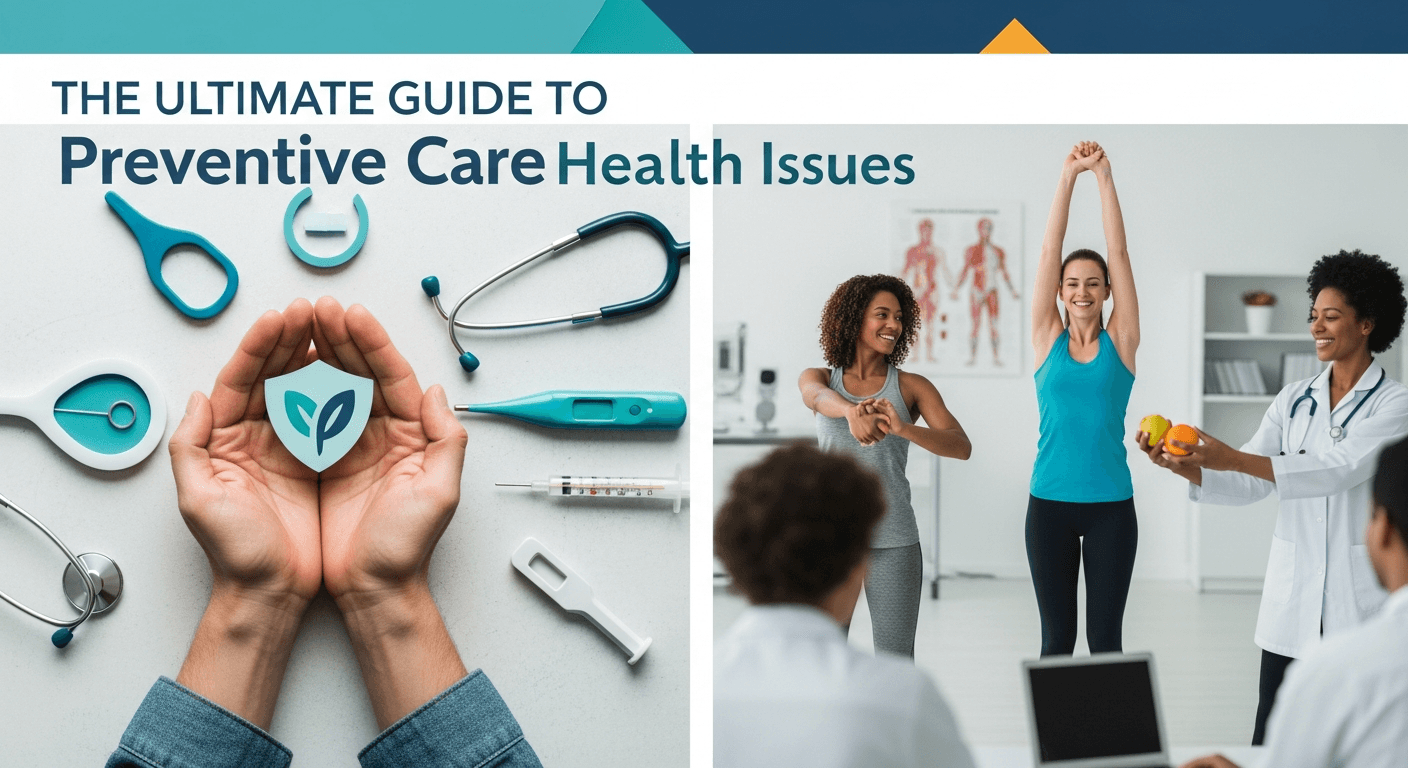
The Ultimate Guide to Preventive Care: Stay Healthy at Every Age

Quick Answer
Stay healthy at every age! This guide provides essential preventive measures, from checkups to vaccinations, for a long, happy life.
Taking care of your health is a lifelong journey. Preventive care is about taking steps to stay healthy and possibly avoid getting sick. It's like building a strong foundation for a long and happy life! This guide will walk you through the key preventive measures you should consider.
What You Need to Know
Preventive care includes things like regular checkups with your doctor, vaccinations, screenings for diseases, and adopting healthy habits. The specific types of preventive care you need may change as you get older. What's important in your 20s is different from what's important in your 60s.
Think of it like this: when you are young, you focus on building a healthy foundation. As you get older, you focus on maintaining that foundation and catching potential problems early.
Why It Matters
Preventive care can help you:
Stay healthy and active for longer Detect health problems early when they may be easier to address Reduce your risk of developing chronic diseases Save money on healthcare costs Improve your overall quality of life
Skipping preventive care is like ignoring the warning lights on your car’s dashboard. You might be okay for a while, but eventually, something could break down.
Key Takeaways
Preventive care is essential. The specific types of preventive care you need may change over time. Regular checkups, vaccinations, and screenings are important. Healthy habits like eating well and exercising are crucial. Taking care of your health is an investment in your future.
Actionable Advice / What Experts Say
Experts recommend working with your doctor to create a personalized preventive care plan. This plan should take into account your age, gender, family history, and lifestyle.
Here are some general tips:
Find a doctor you trust and schedule regular checkups. Get recommended vaccinations. Undergo recommended screenings. Eat a healthy diet. Get regular exercise. Aim for at least 30 minutes of moderate-intensity exercise most days of the week. Don't smoke. Limit your alcohol consumption. Manage stress. Get enough sleep.
Remember, small changes can make a difference!
The Bottom Line
Preventive care is a proactive approach to health that may help you live a longer, healthier, and happier life. By working with your doctor and adopting healthy habits, you can take control of your health. So, make preventive care a priority today!
Sources & Further Reading
Disclaimer: This article is for informational purposes only and does not constitute medical advice.*
Related Clinical Tool: Use Medikle's free Health Risk Assessment to assess your lifestyle risk factors and estimated biological age.