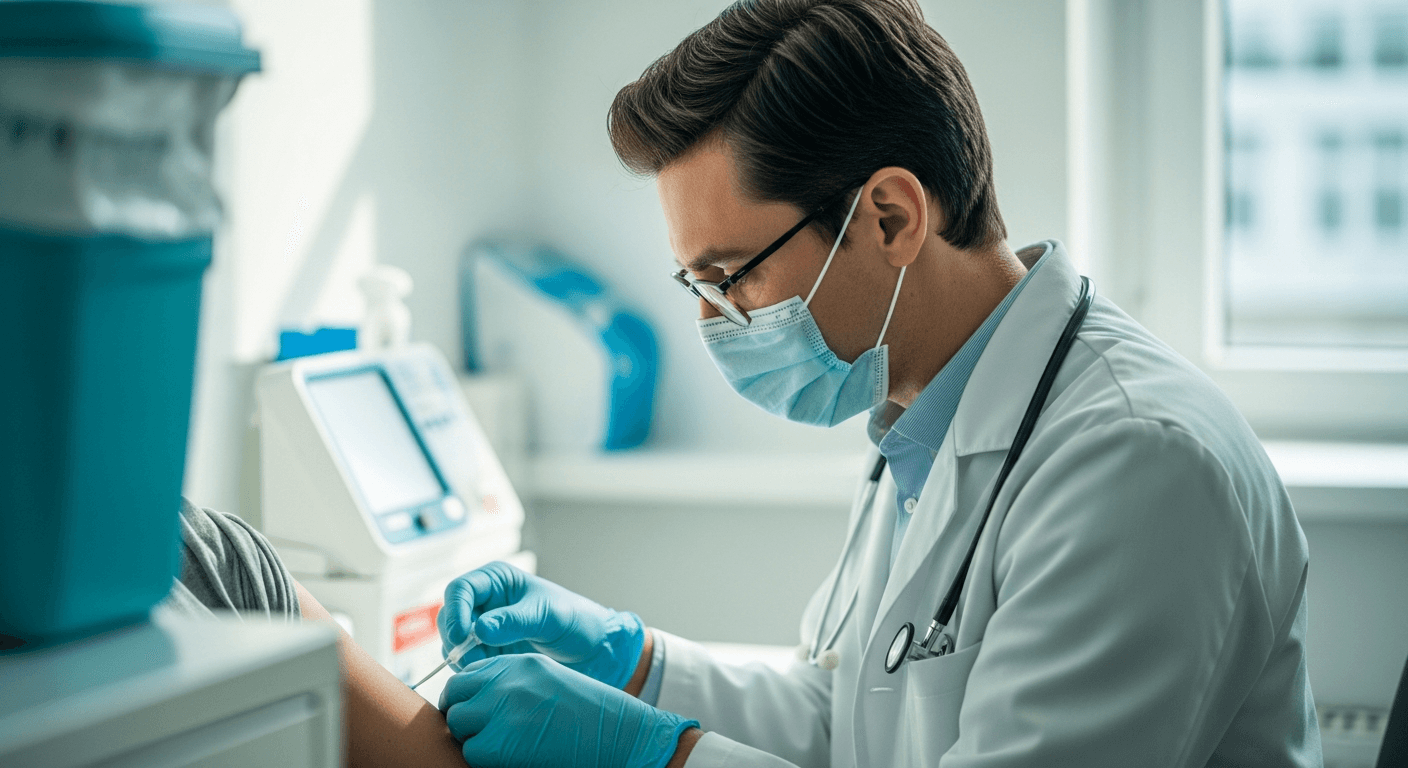
The Ultimate Guide to Preventive Care: Staying Ahead of Health Issues
Quick Answer
Stay healthy by preventing illnesses & catching problems early! Learn about check-ups, screenings, & vaccinations. Verified by Dr. Carter, MD.
Staying healthy isn't just about going to the doctor when you're sick. It's also about taking steps to prevent illnesses and catch problems early. This is called preventive care, and it's an important part of taking care of yourself.
What You Need to Know
Preventive care includes things like regular check-ups, screenings, and vaccinations. Check-ups are visits to your doctor to talk about your overall health. Screenings are tests that look for diseases before you have symptoms. Vaccinations, or shots, help protect you from serious illnesses.
Think of it like this: your body is like a car. You need to get it checked regularly, even when it seems fine, to make sure everything is running smoothly. Preventive care is like that check-up for your body.
Why It Matters
Preventive care can help you live a healthier life. By catching problems early, you can often address them more effectively. For example, a screening test might find cancer early, when treatment options may be more numerous. Or, a vaccination can help protect you from getting a serious disease like the flu.
Preventive care also helps you save money in the long run. Addressing illnesses can be expensive, so preventing them may save you money on healthcare costs.
Key Takeaways
Preventive care helps you stay healthy and catch problems early. It includes check-ups, screenings, and vaccinations. Preventive care can help you live healthier, save money, and improve your quality of life. Talk to your doctor about what preventive care is right for you. Consider seeing a doctor for regular checkups, even when you feel healthy.
Actionable Advice / What Experts Say
Talk to your doctor about what preventive care services are right for you. Your doctor can help you create a plan based on your age, sex, family history, and lifestyle.
Experts recommend considering regular check-ups, even when you feel healthy. They also recommend considering getting vaccinated against diseases like the flu and pneumonia.
Don't hesitate to ask your doctor questions about preventive care. They can help you understand the potential benefits and risks of different screenings and vaccinations.
The Bottom Line
Preventive care is a valuable tool for staying healthy. By taking steps to prevent illnesses and catch problems early, you can potentially live a healthier life. Talk to your doctor about what preventive care is right for you, and consider making it a priority.
Sources & Further Reading
CDC Mayo Clinic World Health Organization
Disclaimer: This article is for informational purposes only and does not constitute medical advice.
Related Clinical Tool: Use Medikle's free Health Risk Assessment to assess your lifestyle risk factors and estimated biological age.