How to Relieve Pelvic Pain: A Comprehensive Guide
Quick Answer
Pelvic pain got you down? Discover the causes, symptoms, and actionable steps you can take to manage discomfort and reclaim your life!
Pelvic pain can be discomfort in your lower abdomen and can stem from many different causes. Don't worry, you're not alone, and there are ways to find relief! This guide will walk you through what you need to know and what you can do about it.
What You Need to Know
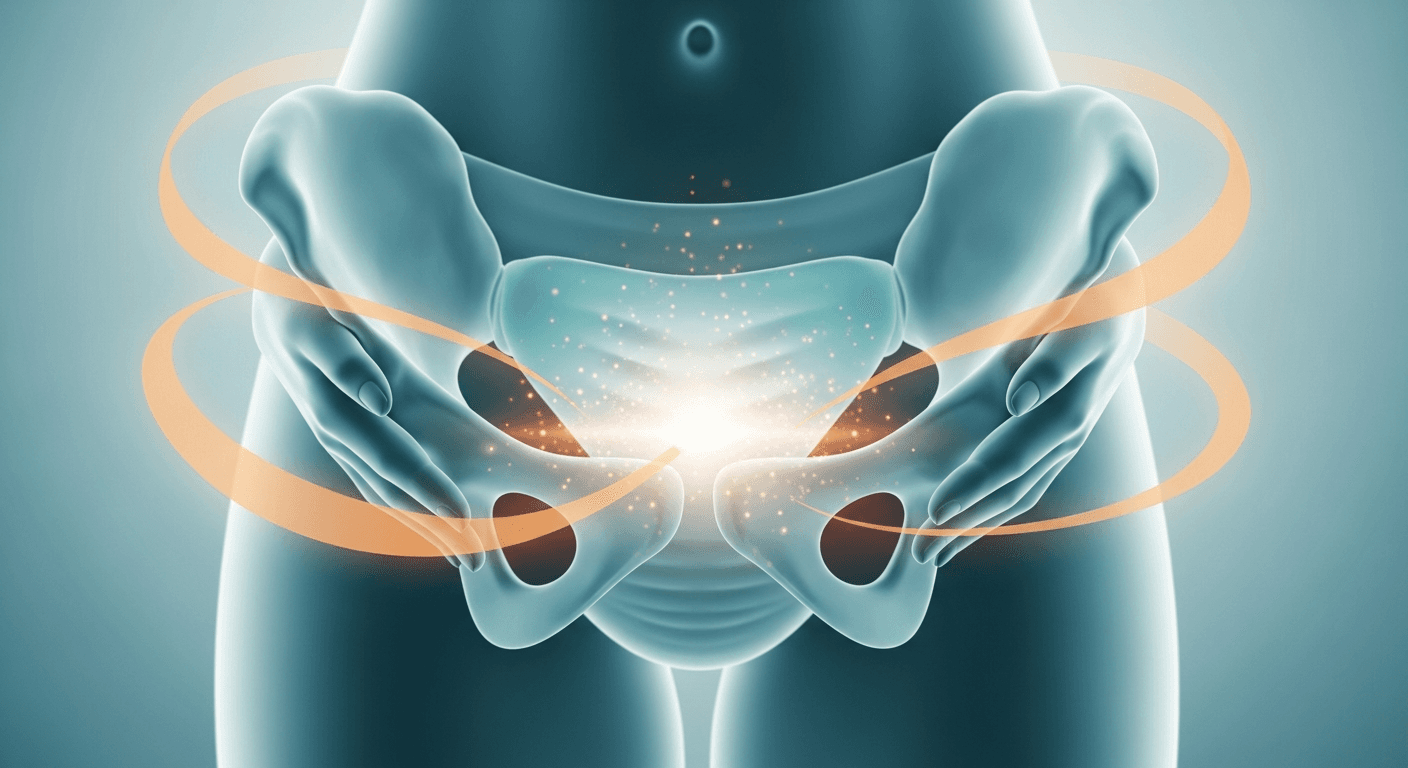
Pelvic pain isn't a disease itself, but a symptom. It can feel like a dull ache, sharp cramps, or pressure. It can be constant or come and go. Many things can cause pelvic pain, including problems with your reproductive organs (like endometriosis or fibroids), digestive system (like irritable bowel syndrome), or urinary system (like a urinary tract infection). Sometimes, it could even be related to muscles and nerves in the pelvic area. Figuring out the possible cause is the first step in getting the right approach.
Why It Matters
Living with pelvic pain can really impact your life. It can make it hard to work, exercise, or even just enjoy everyday activities. It can also affect your mood and relationships. Ignoring pelvic pain could lead to the problem getting worse over time. Identifying the cause and finding ways to manage the pain may help you get back to living your life to the fullest.
Key Takeaways
Pelvic pain has many possible causes, from reproductive issues to digestive problems. Ignoring pelvic pain can negatively affect your daily life and overall well-being. Seeing a doctor is essential to get a proper diagnosis and treatment plan. Lifestyle changes and home remedies can often help manage pelvic pain. There are many options available, so don't give up on finding relief.
Actionable Advice / What Experts Say
There are several things you can try at home to manage pelvic pain. Gentle exercises like yoga or stretching may help relax the muscles in your pelvic area. Applying a warm compress or taking a warm bath can also soothe the pain. Over-the-counter pain relievers, like ibuprofen or acetaminophen, may help with mild to moderate pain. It's also a good idea to keep a diary of your pain, noting when it occurs and what seems to trigger it. This information can be helpful for your doctor. Doctors emphasize that persistent or severe pelvic pain should always be evaluated by a healthcare professional to rule out serious underlying conditions.
The Bottom Line
Pelvic pain can be frustrating, but understanding the possible causes and taking steps to manage it may make a big difference. Don't hesitate to talk to your doctor about your pain and explore different options.
Sources & Further Reading
Disclaimer: This article is for informational purposes only and does not constitute medical advice.*