How to Manage Endometriosis Pain and Improve Quality of Life
Quick Answer
Endometriosis pain can be managed through medications like pain relievers and hormone therapy, lifestyle changes such as diet and exercise, and, in some cases, surgery. Focusing on mental well-being and support systems are also key to improving quality of life.
Updated March 5, 2026
Quick Answer: Endometriosis pain can be managed through medications like pain relievers and hormone therapy, lifestyle changes such as diet and exercise, and, in some cases, surgery. Focusing on mental well-being and support systems are also key to improving quality of life.
Are you experiencing persistent pelvic pain, heavy periods, and fatigue that are disrupting your daily life? You're not alone. Many women struggle with the debilitating symptoms of endometriosis, and it can feel overwhelming to manage the pain and the impact it has on your well-being.
This comprehensive guide will equip you with the knowledge and tools to understand endometriosis, explore effective management strategies, and significantly improve your quality of life. Ignoring endometriosis pain could lead to worsening symptoms, infertility, and other complications. We'll break down treatment options for all age groups and offer guidance on when to seek immediate medical attention. If you are struggling to manage chronic pain, this guide builds on insights from The Ultimate Guide to Managing Your Chronic Condition to help you move forward.
Contents
- What Is Endometriosis and Why Does It Happen?
- How to Manage and Treat It
- Signs You Need Immediate Help: Comparison Table
- When to See a Doctor
What Is Endometriosis and Why Does It Happen?
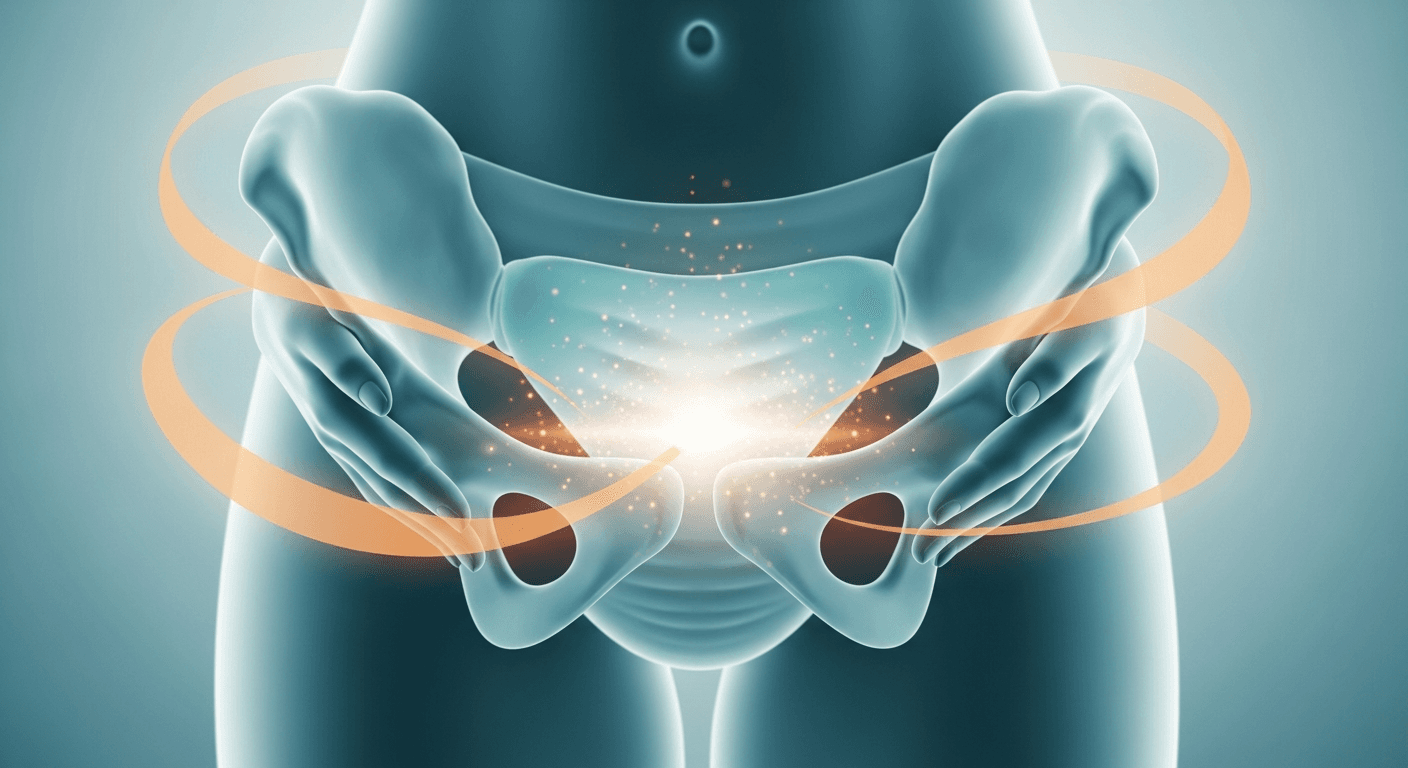
Endometriosis is a condition where tissue similar to the lining of the uterus, called the endometrium, grows outside of the uterus. This tissue can be found on the ovaries, fallopian tubes, and other areas in the pelvic region. Because this misplaced tissue acts like endometrial tissue, it thickens, breaks down, and bleeds with each menstrual cycle.
However, because this tissue has no way to exit the body, it becomes trapped. This can lead to inflammation, scar tissue formation, and adhesions, where organs stick together. The primary symptom is often severe pelvic pain, particularly during menstruation.
The exact cause of endometriosis is not fully understood, but several theories exist. One theory suggests that during menstruation, endometrial cells flow back through the fallopian tubes into the pelvic cavity, a process called retrograde menstruation. Another theory proposes that cells outside the uterus transform into endometrial-like cells.
Several factors can increase the risk of developing endometriosis. These include having a family history of the condition, starting menstruation at a young age, having short menstrual cycles, and having heavy or long periods. Women who have never had children also have a higher risk. While endometriosis can be a factor in pelvic pain, other issues could be at play. If you are looking for more guidance, read this article on How to Relieve Pelvic Pain: A Comprehensive Guide.
The location of the endometrial-like tissue can also affect the symptoms experienced. For example, if the tissue is located near the bladder, it may cause pain during urination. Endometrial implants on the bowel can lead to pain during bowel movements, constipation, or diarrhea.
Genetics likely play a role in endometriosis. Having a mother, sister, or aunt with the condition increases your risk. Research suggests that certain genes may make some women more susceptible to developing endometriosis. More research is needed to fully understand the genetic component of this condition.
Environmental factors are also being investigated. Some studies suggest that exposure to certain toxins in the environment could potentially contribute to the development or progression of endometriosis. It is important to keep in mind that there is no single cause for endometriosis, and it is likely a combination of genetic, hormonal, and environmental factors that contribute to its development.
How to Manage and Treat It
Managing endometriosis is a multifaceted process that often requires a combination of approaches tailored to the individual's specific needs and symptoms. Treatment strategies may differ across age groups due to hormonal variations, reproductive considerations, and overall health status. The goal is to alleviate pain, slow the growth of endometrial tissue, and improve overall quality of life.
For Children (Under 18)
Endometriosis can occur in adolescents, though it's often overlooked or misdiagnosed. Young women may experience painful periods, chronic pelvic pain, and fatigue that significantly impact their school attendance and social life. Early diagnosis and intervention are crucial to prevent the progression of the disease and minimize long-term complications.
Treatment options for adolescents often focus on pain management. Over-the-counter pain relievers, such as ibuprofen or naproxen, may help alleviate mild to moderate pain. Hormonal therapies, such as birth control pills, can also be prescribed to regulate menstrual cycles and reduce the growth of endometrial tissue. Parents should monitor their daughters' symptoms and seek specialist care from a pediatric gynecologist.
It is also important to encourage open communication about the challenges faced by young women with endometriosis. Support groups and counseling can provide emotional support and coping strategies to manage the pain and its impact on mental health. The challenges of managing a chronic condition can be tough and impact mental health, so it can be helpful to read about How to Improve Your Mental Health: A Practical Guide.
Dietary changes could also play a role in managing symptoms. Some research suggests that an anti-inflammatory diet, rich in fruits, vegetables, and omega-3 fatty acids, may help reduce inflammation and pain associated with endometriosis. Avoiding processed foods, sugary drinks, and excessive caffeine may also be beneficial.
Beyond medical treatments, focusing on self-care activities like getting enough sleep, managing stress, and engaging in gentle exercise can be valuable. These actions can help reduce pain levels and improve overall well-being. It's vital to work closely with healthcare professionals to create a personalized treatment plan that addresses each individual's unique needs and concerns.
For Adults
Adult women with endometriosis often experience a range of symptoms that impact their daily activities and fertility. Common triggers for endometriosis pain may include menstruation, stress, and certain foods. Identifying and managing these triggers may help reduce the severity of symptoms.
Evidence-based lifestyle changes can play a significant role in managing endometriosis. These include adopting a healthy diet rich in fruits, vegetables, and whole grains; engaging in regular exercise to reduce inflammation and pain; and practicing stress-reducing techniques such as yoga, meditation, or deep breathing exercises. Medications, such as pain relievers, hormonal birth control, or GnRH agonists, can also be used to manage pain and slow the growth of endometrial tissue.
Regular monitoring and follow-up with a healthcare provider are essential to assess the effectiveness of treatment and make adjustments as needed. Women who are trying to conceive may require additional interventions, such as fertility treatments or surgery, to improve their chances of pregnancy. Working closely with a fertility specialist can help create a personalized treatment plan.
For some women, surgical options like laparoscopy or hysterectomy may be considered to remove endometrial tissue or the uterus. These procedures can provide significant pain relief, but they also carry risks and potential side effects. It’s important to discuss the potential benefits and risks of surgery with your doctor to make an informed decision.
Many women also find complementary therapies helpful in managing their symptoms. Acupuncture, massage therapy, and herbal remedies may provide pain relief and improve overall well-being. Always discuss any complementary therapies with your doctor to ensure they are safe and appropriate for you.
For Older Adults (65+)
While endometriosis typically improves after menopause due to the decline in estrogen levels, some older adults may continue to experience symptoms. Existing adhesions and scar tissue can still cause pain and discomfort. Furthermore, some hormone replacement therapies (HRT) may inadvertently worsen endometriosis symptoms.
The management of endometriosis in older adults requires careful consideration of other health conditions and medications. Polypharmacy, the use of multiple medications, can increase the risk of drug interactions and side effects. Mobility and cognitive impairments can also create barriers to self-care. Caregiver coordination is essential to ensure that older adults receive the support they need to manage their symptoms and maintain their quality of life.
Non-pharmacological approaches, such as physical therapy, massage, and acupuncture, may provide relief from pain and improve mobility. Pain management specialists can also offer advanced treatment options, such as nerve blocks or spinal cord stimulation. Open communication between the patient, caregivers, and healthcare providers is crucial to ensure that treatment goals are aligned and that the patient's needs are met.
Pelvic floor physical therapy can be especially beneficial for older adults experiencing pelvic pain and discomfort. These exercises can help strengthen the pelvic floor muscles and improve bladder and bowel function. A physical therapist can create a customized exercise program to address individual needs.
It's also important for older adults to maintain a healthy lifestyle to manage their symptoms. A balanced diet, regular exercise, and adequate sleep can help reduce inflammation and improve overall well-being. Social support and engagement in enjoyable activities can also help improve mental and emotional health.
Signs You Need Immediate Help: Comparison Table
| Symptom or Situation | Severity Level | Recommended Action |
|---|---|---|
| Mild pelvic pain during menstruation | Mild | Monitor at home, use over-the-counter pain relievers |
| Increased pain despite over-the-counter medication | Moderate | Schedule a same-day GP visit |
| Sudden, severe abdominal pain with nausea and vomiting | Severe | Go to the ER immediately |
| Heavy vaginal bleeding soaking through pads in an hour | Severe | Go to the ER immediately |
| Pain radiating down the leg, with numbness or tingling | Moderate | Schedule a same-day GP visit |
| Fever over 101°F (38.3°C) with pelvic pain | Severe | Go to the ER immediately |
| Difficulty breathing or chest pain along with pelvic pain | Emergency | Call 911 / Emergency services |
| Inability to urinate or have a bowel movement | Emergency | Call 911 / Emergency services |
| Severe dizziness or fainting | Emergency | Call 911 / Emergency services |
When to See a Doctor
Do not delay seeking care if you notice any of the following red flags:
- Sudden, severe abdominal or pelvic pain.
- Heavy vaginal bleeding with large clots.
- Fever accompanied by pelvic pain.
- Difficulty breathing or chest pain.
- Inability to urinate or have a bowel movement.
It is important to pay attention to changes in your pain levels. If you experience a sudden increase in the intensity of your pelvic pain, especially if it is accompanied by other symptoms such as nausea, vomiting, or dizziness, seek medical attention promptly. These could be signs of a serious complication, such as a ruptured ovarian cyst or bowel obstruction.
Also, keep track of your menstrual cycles and bleeding patterns. If you experience abnormally heavy bleeding, passing large clots, or prolonged bleeding that lasts longer than usual, it’s important to consult a doctor. This could indicate an underlying issue that needs to be addressed. Prolonged heavy bleeding can lead to anemia, which causes fatigue and weakness.
Additionally, if you have difficulty getting pregnant or experience recurrent miscarriages, seek guidance from a fertility specialist. Endometriosis can affect fertility, and early intervention may improve your chances of conceiving. A fertility specialist can evaluate your situation and recommend appropriate treatment options. When in doubt, always err on the side of caution. A phone call to your doctor’s office can help you decide if you need to come in.
Sources & Further Reading
Disclaimer: This article is for informational purposes only and does not constitute medical advice. Always consult a qualified healthcare professional for diagnosis and treatment.