How to Prepare for a Colonoscopy: A Step-by-Step Guide
Quick Answer
Preparing for a colonoscopy involves dietary restrictions, bowel preparation to clean out the colon, and arranging transportation. Following your doctor's instructions closely ensures a successful procedure, allowing for accurate detection of any abnormalities.
Updated March 3, 2026
Quick Answer: Preparing for a colonoscopy involves dietary restrictions, bowel preparation to clean out the colon, and arranging transportation. Following your doctor's instructions closely ensures a successful procedure, allowing for accurate detection of any abnormalities.
Are you scheduled for a colonoscopy and feeling a bit overwhelmed by the preparation process? Many people feel anxious about this procedure, especially the prep. It's understandable to want to know exactly what to expect and how to make the process as smooth as possible.
This guide will provide you with a clear, step-by-step plan to prepare for your colonoscopy. We'll explain why each step is important and offer tips to help you manage the process with confidence. By following these instructions, you'll help ensure an accurate and effective examination, contributing to your long-term health.
Contents
- What Is a Colonoscopy and Why Does It Happen?
- How to Manage and Treat It
- Signs You Need Immediate Help: Comparison Table
- When to See a Doctor
What Is a Colonoscopy and Why Does It Happen?
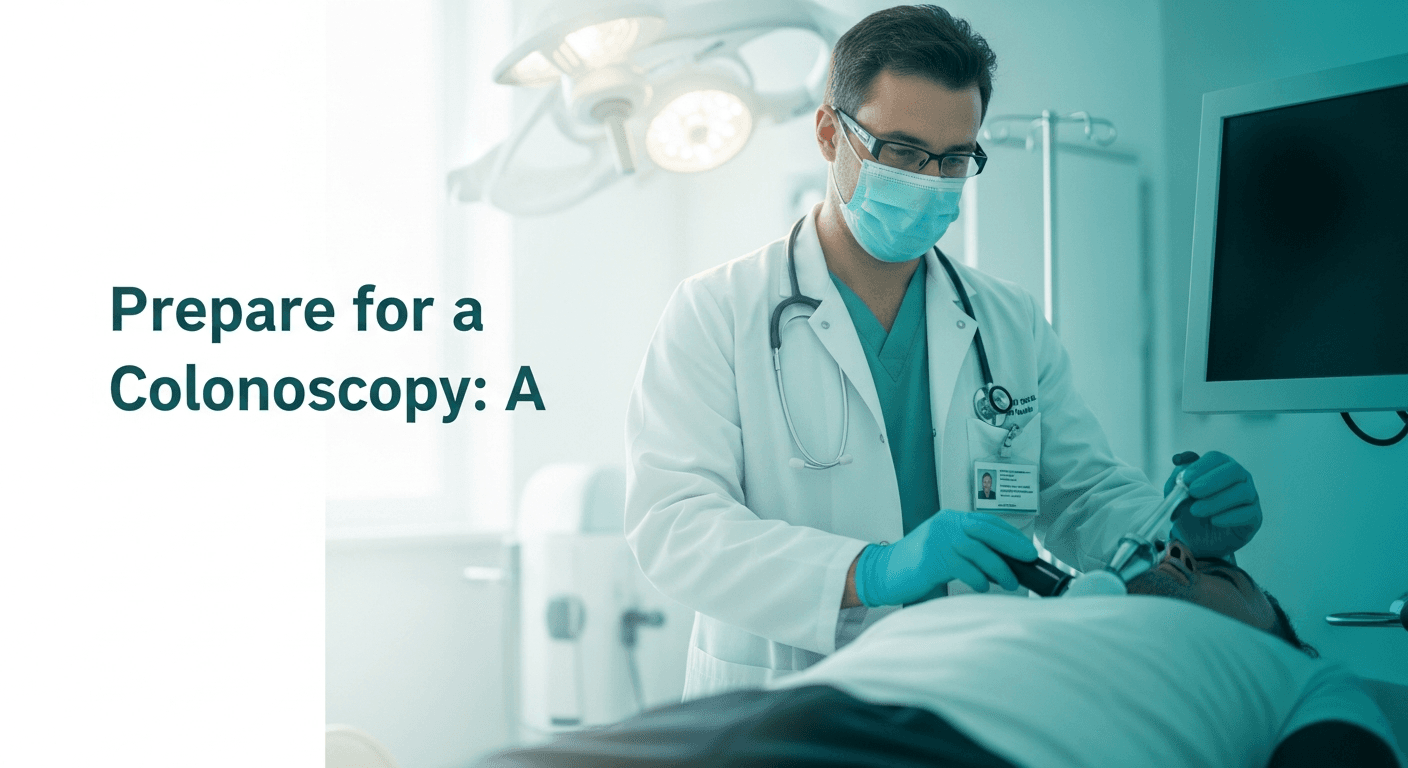
A colonoscopy is a medical procedure where a doctor uses a long, flexible tube with a camera attached to view the inside of your colon, also known as the large intestine. This allows them to check for any abnormalities, such as polyps (small growths). The camera sends images to a monitor, so the doctor can see everything in detail.
The colon's main job is to process waste and absorb water and nutrients from digested food. When cells in the colon lining grow uncontrollably, it can lead to the formation of polyps. While most polyps are harmless, some can turn into cancer over time. A colonoscopy helps doctors find and remove these polyps early.
Several factors may increase your risk of developing colon polyps. These include being over the age of 45, having a family history of colon cancer, and having certain medical conditions like inflammatory bowel disease (IBD). Lifestyle choices such as a diet high in red meat and low in fiber may also contribute to the risk. Research suggests a link between red meat consumption and increased risk of diverticulitis, which may impact colon health.
Certain groups may be more vulnerable to colon cancer, including African Americans and people with a genetic predisposition. Regular screenings, including colonoscopies, are especially important for these individuals. Early detection may reduce the risk. For overall wellness, explore The Ultimate Guide to Preventive Care: Stay Healthy at Every Age.
Colonoscopies are also performed for diagnostic reasons. If you're experiencing persistent abdominal pain, changes in bowel habits, or rectal bleeding, your doctor may recommend a colonoscopy to investigate the cause. It can help identify conditions like colitis, Crohn's disease, or even sources of bleeding.
Furthermore, colonoscopies play a crucial role in post-cancer treatment surveillance. Individuals who have previously been diagnosed with colon cancer often require regular colonoscopies to monitor for recurrence. This helps ensure that any new polyps or cancerous growths are detected and treated promptly, improving long-term outcomes.
During a colonoscopy, the doctor can also take biopsies, which are small tissue samples. These samples are then sent to a lab for further analysis. Biopsies can help confirm diagnoses, such as inflammation or infection, and can also be used to determine if a polyp is precancerous or cancerous.
How to Manage and Treat It
Preparing for a colonoscopy involves dietary changes and bowel cleansing to ensure a clear view of the colon. The specific instructions may vary based on your age, health, and the doctor's preferences. It’s crucial to follow your doctor’s instructions carefully. The following sections offer general guidance, but always prioritize the advice of your healthcare provider.
For Children (Under 18)
While colonoscopies are less common in children, they may be necessary to investigate issues like bleeding, abdominal pain, or inflammatory bowel disease. Preparing a child for a colonoscopy requires extra care and sensitivity. Parents should clearly explain the procedure in age-appropriate terms, emphasizing that it helps the doctor see what’s happening inside their tummy.
The dietary restrictions and bowel preparation can be especially challenging for children. Parents should work closely with the doctor or nurse to find prep solutions that are palatable and easy for the child to tolerate. Consider offering rewards or distractions to help them get through the prep.
Pay close attention to any signs of dehydration, such as decreased urination or dizziness, during the bowel preparation. If you are concerned, contact the doctor immediately. Following The Ultimate Guide to Building a Healthy Plate is good practice to introduce to kids to help promote good digestive health.
It's also important to address the child's anxieties and fears. Let them know that the procedure is usually painless and that they'll be closely monitored throughout. Consider using child-friendly resources, such as books or videos, to help them understand what to expect.
For younger children, parents may need to be creative with the clear liquid diet. Offer popsicles made from clear juice, or flavored gelatin. Making the experience as positive as possible can ease anxiety and make the preparation process smoother for both the child and the parents.
For Adults
For adults, preparing for a colonoscopy typically begins a few days before the procedure. You'll likely need to follow a low-fiber diet, avoiding foods like nuts, seeds, raw fruits, and vegetables. The day before the colonoscopy, you'll switch to a clear liquid diet, which includes broth, clear juice (apple or white grape), and gelatin.
The most important part of the preparation is the bowel prep, which involves taking a laxative solution. This solution cleanses your colon, ensuring the doctor has a clear view during the colonoscopy. It's essential to stay close to a bathroom during this process, as you will experience frequent bowel movements.
To make the process more tolerable, consider chilling the prep solution or drinking it with a straw. After the procedure, remember How to Cultivate a Thriving Gut Microbiome for Better Health to make sure you eat gut-friendly foods to recover quickly. It's also important to arrange for someone to drive you home.
When choosing your clear liquids, try to avoid red or purple dyes. These colors can sometimes be mistaken for blood during the colonoscopy. Staying hydrated is also crucial during the bowel prep.
Planning ahead can help you manage the prep more effectively. Clear your schedule for the day of the prep and the day of the procedure. Have comfortable clothes and entertainment options available to help you pass the time.
For Older Adults (65+)
Older adults may face unique challenges when preparing for a colonoscopy. Age-related changes may make the bowel preparation more difficult to tolerate. Seniors may be more prone to dehydration and electrolyte imbalances, so careful monitoring is essential.
Polypharmacy, the use of multiple medications, is common in older adults. Certain medications, such as blood thinners, may need to be adjusted or temporarily stopped before the procedure. Discuss all medications with your doctor beforehand.
Mobility or cognitive issues can also create barriers to self-care. Caregivers may need to assist with the bowel preparation and transportation to and from the procedure. If you have concerns about being able to complete the prep on your own, talk to your doctor or healthcare team for support.
For older adults, it may be helpful to use divided doses of the bowel prep solution. This means taking half of the solution the evening before the procedure and the other half several hours before the colonoscopy. This approach may improve tolerability and reduce the risk of side effects.
Close communication with the healthcare team is essential. If an older adult experiences any difficulties or has questions, they should contact the doctor or nurse promptly. A proactive approach can help ensure a safe and successful colonoscopy.
Signs You Need Immediate Help: Comparison Table
| Symptom or Situation | Severity Level | Recommended Action |
|---|---|---|
| Mild abdominal cramping after starting bowel prep | Mild | Monitor at home; may be normal |
| Nausea or vomiting after drinking bowel prep solution | Moderate | Slow down the rate of drinking the solution, take short breaks |
| Significant rectal bleeding during bowel prep | Moderate | Contact your doctor’s office for advice |
| Dizziness or lightheadedness during bowel prep | Moderate | Lie down and drink clear fluids; contact your doctor if it persists |
| Severe abdominal pain that is not relieved by bowel movements | Severe | Go to the ER immediately |
| Inability to tolerate or keep down any of the bowel prep solution | Severe | Go to the ER immediately |
| Signs of severe dehydration (e.g., minimal urination, extreme thirst, confusion) | Emergency | Call 911 / Emergency services |
When to See a Doctor
Do not delay seeking care if you notice any of the following red flags:
- Severe abdominal pain that doesn’t go away.
- Significant rectal bleeding or passing large amounts of blood.
- Inability to tolerate the bowel preparation solution.
- Signs of severe dehydration, such as dizziness or confusion.
- Chest pain or shortness of breath.
If you experience severe and persistent nausea that prevents you from completing the bowel preparation, it's important to seek medical attention. Constant vomiting can lead to dehydration and electrolyte imbalances, which can be dangerous. Your doctor may prescribe medication to help control the nausea, or they may need to adjust your bowel prep regimen.
Additionally, if you have a known history of heart problems or kidney disease, it's even more important to contact your doctor if you experience any concerning symptoms during the bowel preparation. These conditions can increase your risk of complications from dehydration or electrolyte imbalances. They will need to be monitored closely.
Also, pay attention to any signs of an allergic reaction. While rare, some people may be allergic to ingredients in the bowel prep solution. Symptoms of an allergic reaction can include rash, itching, swelling, or difficulty breathing. If you experience any of these symptoms, seek immediate medical attention. When in doubt, always err on the side of caution. A phone call to your doctor’s office can help you decide if you need to come in.
Sources & Further Reading
Disclaimer: This article is for informational purposes only and does not constitute medical advice. Always consult a qualified healthcare professional for diagnosis and treatment.