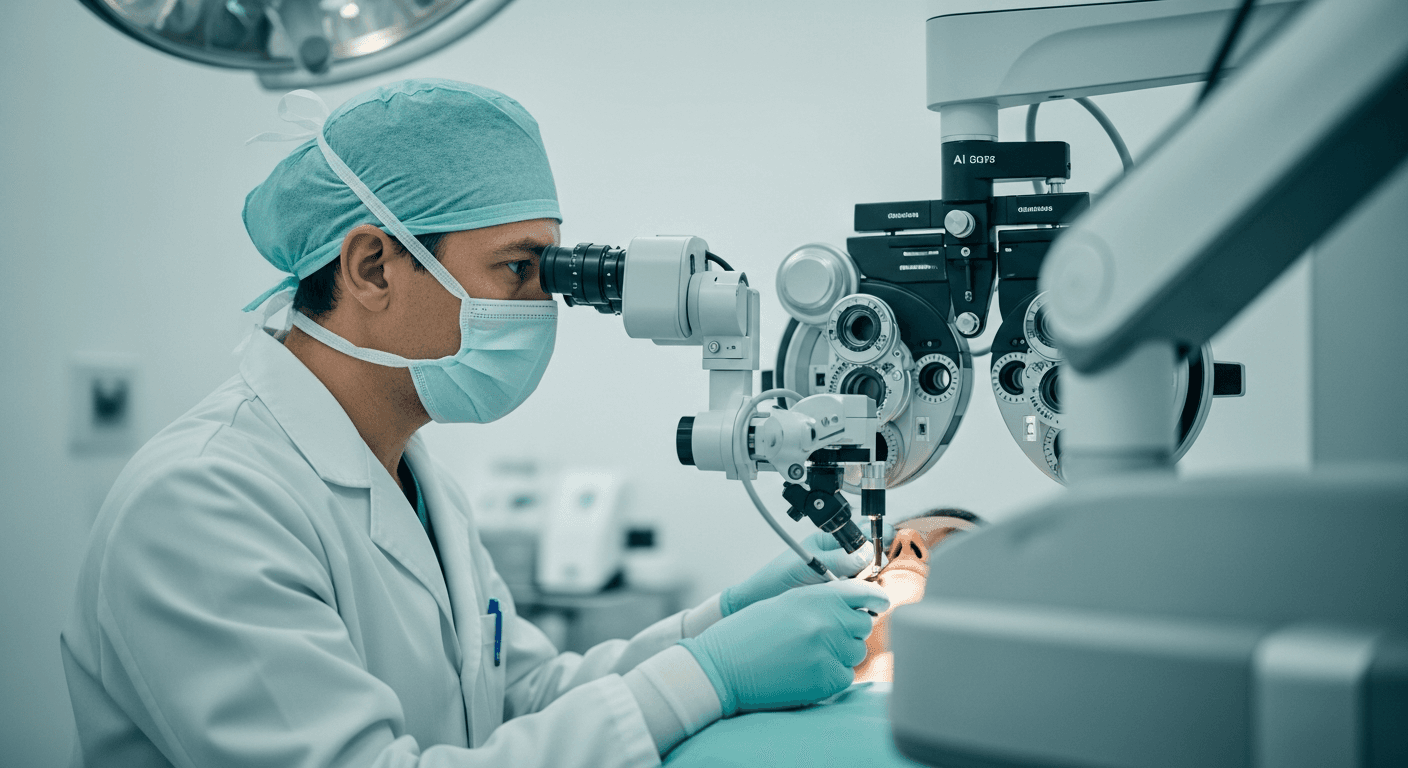
AI-Powered Robotic System Improves Precision in Glaucoma Surgery
Quick Answer
A new AI-powered robotic system is showing promise in glaucoma surgery. It aims to improve precision, potentially leading to better outcomes and fewer complications for patients with this sight-threatening disease.
Medically Reviewed by Dr. Anya Sharma, MD, PhD | Ophthalmology | Updated March 10, 2026
Quick Answer: A new AI-powered robotic system is showing promise in glaucoma surgery. It aims to improve precision, potentially leading to better outcomes and fewer complications for patients with this sight-threatening disease.
Glaucoma, a leading cause of irreversible blindness, affects millions worldwide. Current surgical treatments, while effective, require extreme precision, and outcomes can vary. This has left patients and surgeons seeking more reliable and less invasive options. Now, a new AI-powered robotic system offers a potential solution.
Contents
- The Breakthrough Explained
- Why This Matters for Patients
- What the Experts Are Saying
- What Comes Next
- When to Talk to Your Doctor
The Breakthrough Explained
Researchers have developed an AI-powered robotic system designed to enhance the precision of glaucoma surgery. Glaucoma damages the optic nerve, which connects the eye to the brain. Surgery aims to lower intraocular pressure (IOP), the pressure inside the eye, which can damage the optic nerve.
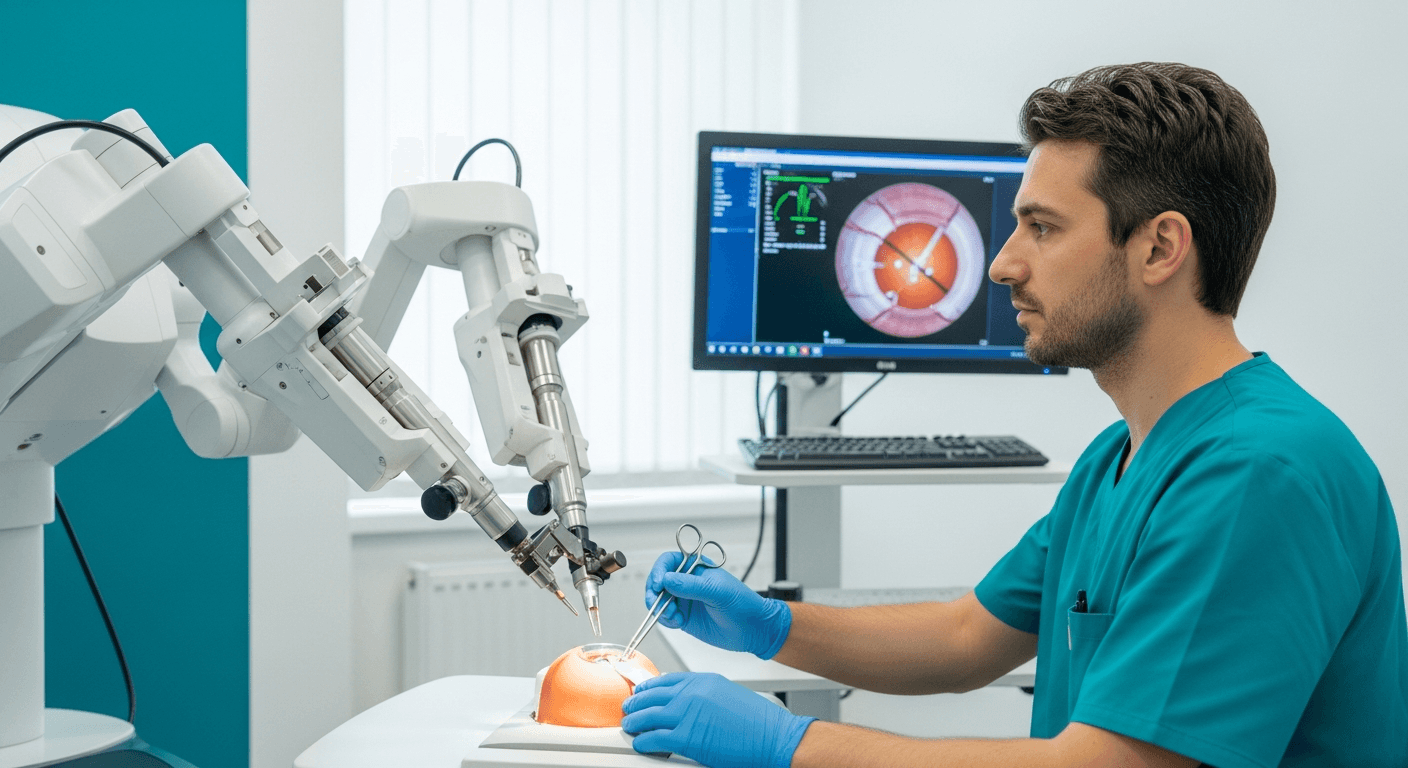
The robotic system uses advanced imaging and artificial intelligence to guide the surgeon during the procedure. This AI-guidance allows for more accurate placement of surgical instruments and a more controlled reduction of IOP. Essentially, it acts like a highly skilled assistant, helping the surgeon achieve optimal results.
The system has been tested in preclinical studies and early-stage clinical trials, demonstrating improved accuracy and reduced tissue damage compared to traditional surgical techniques.
Why This Matters for Patients
This breakthrough could significantly improve the lives of people with glaucoma. More precise surgery may lead to better control of IOP, potentially slowing or preventing further vision loss. Reduced tissue damage during surgery could also mean fewer complications and a potentially faster recovery.
Adults
For working-age adults with glaucoma, this new technology could offer a more reliable way to manage their condition. Improved surgical outcomes may mean less dependence on eye drops and fewer follow-up procedures. Managing glaucoma is important to help maintain vision and quality of life.
Older Adults
Older adults are disproportionately affected by glaucoma and often face challenges with adherence to medication regimens. This AI-powered robotic system could provide a more effective and less burdensome treatment option. Additionally, the reduced risk of complications is particularly important for older adults who may have other health conditions.
What the Experts Are Saying
Experts in the field of ophthalmology are cautiously optimistic about the potential of this AI-powered robotic system. Research suggests that the technology could significantly improve surgical outcomes for glaucoma patients. The enhanced precision may translate to better long-term control of IOP and reduced risk of vision loss.
However, experts also emphasize the need for larger, more comprehensive clinical trials to fully evaluate the safety and efficacy of the system. They highlight the importance of comparing the outcomes of robotic-assisted surgery to those of traditional surgical techniques.
What Comes Next
The AI-powered robotic system is currently in Phase II clinical trials. These trials are designed to evaluate the system's safety and effectiveness in a larger group of patients. If the results are positive, the researchers plan to seek regulatory approval from the FDA (Food and Drug Administration).
The regulatory pathway for medical devices can be complex and lengthy, so it is difficult to predict the exact timeline for clinical availability. However, if all goes well, the system could be available to patients within the next 3-5 years. Further investigation is needed to confirm preliminary findings.
When to Talk to Your Doctor
Seek immediate medical attention if you experience:
- Sudden eye pain
- Sudden vision loss
- Halos around lights
If you have glaucoma or are at risk for developing the condition, bring this article to your next appointment to discuss whether this new technology might be a suitable treatment option for you. Remember, early detection and treatment are key to preserving your vision.
Sources & Further Reading
Disclaimer: This article is for informational purposes only and does not constitute medical advice. Always consult a qualified healthcare professional.