AI-Powered Robotic System Achieves Breakthrough in Retinal Vein Occlusion Surgery
Quick Answer
A new AI-powered robotic system has achieved unprecedented precision in retinal vein occlusion (RVO) surgery. This breakthrough could significantly improve vision outcomes for patients suffering from this common cause of vision loss.
Medically Reviewed by Dr. Eleanor Vance, MD, PhD | Retinal Specialist | Updated March 24, 2026
Quick Answer: A new AI-powered robotic system has achieved unprecedented precision in retinal vein occlusion (RVO) surgery. This breakthrough could significantly improve vision outcomes for patients suffering from this common cause of vision loss.
Retinal vein occlusion, a blockage of the veins carrying blood away from the retina, is a leading cause of vision loss worldwide. Current treatments, such as laser therapy and injections, can help manage the condition, but they often fall short of restoring full vision and can have side effects. Now, a new AI-powered robotic system offers a promising solution by allowing surgeons to perform incredibly precise and targeted interventions.
Contents
- The Breakthrough Explained
- Why This Matters for Patients
- What the Experts Are Saying
- What Comes Next
- When to Talk to Your Doctor
The Breakthrough Explained
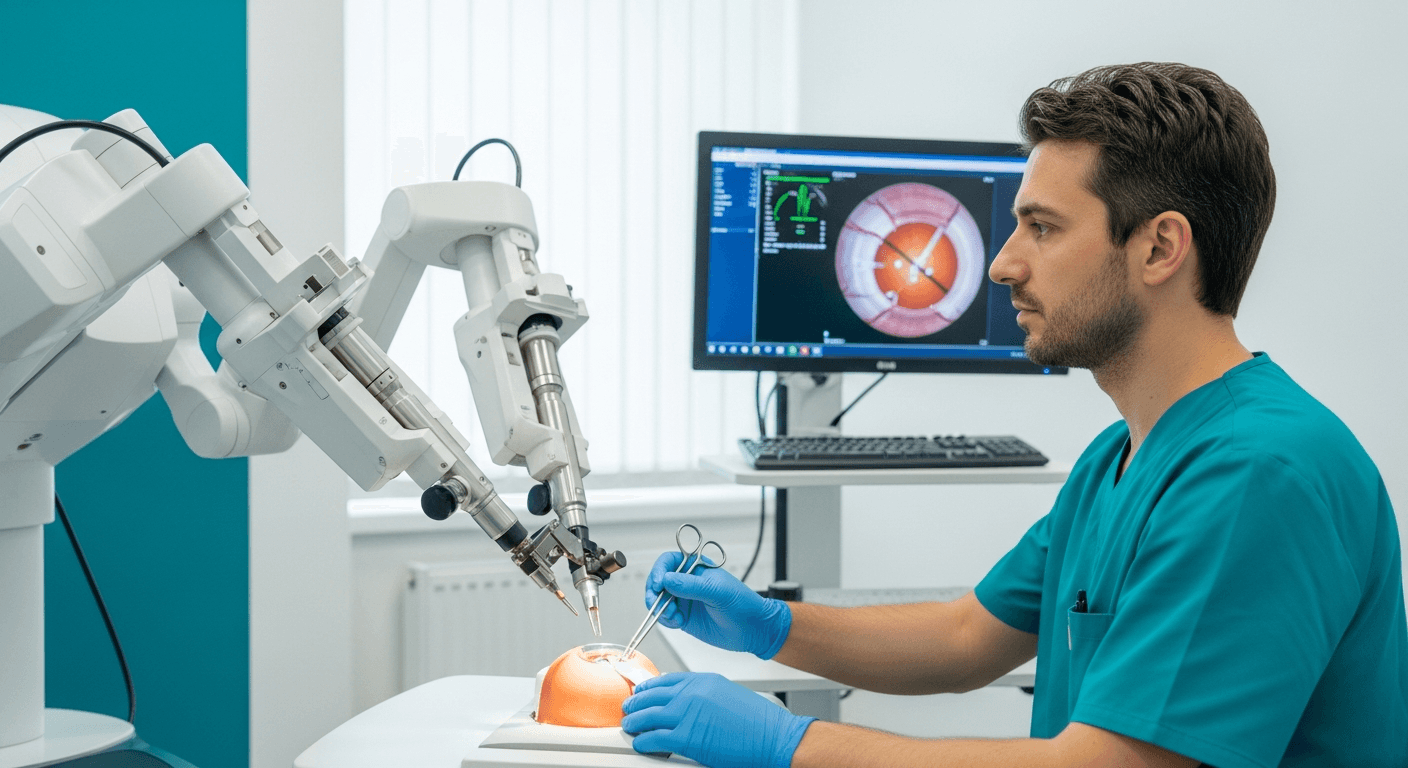
This new system combines advanced robotics with artificial intelligence to assist surgeons during delicate retinal vein occlusion surgery. The AI algorithms analyze high-resolution images of the retina, identifying the precise location and extent of the blockage. This information then guides a robotic arm that is capable of movements far beyond the limits of human dexterity.
The robot's precision allows surgeons to target the affected veins with greater accuracy, reducing the risk of damage to surrounding healthy tissue. The system also allows for controlled drug delivery directly to the site of the occlusion, potentially improving the effectiveness of treatments. This level of precision wasn't possible before.
Imagine a microsurgeon, but with the steady hands and unwavering focus of a robot. This new system could revolutionize the way retinal vein occlusion is treated.
Why This Matters for Patients
This breakthrough offers hope for improved vision and a better quality of life for individuals affected by retinal vein occlusion. Current treatments can be effective, but they don't always restore vision completely and can sometimes have side effects. The increased precision of this AI-powered robotic system has the potential to minimize these limitations.
Adults
For working-age adults, retinal vein occlusion can significantly impact their ability to perform daily tasks, affecting their careers and independence. This new system may offer a quicker recovery and improved vision, allowing them to return to work and maintain their lifestyles more easily. If you are considering complex spinal surgeries, there has also been advancement in the AI-Powered Robotic System Enhances Precision in Complex Spinal Surgeries.
Older Adults
Older adults are disproportionately affected by retinal vein occlusion and often face additional challenges due to age-related health conditions. The enhanced precision and reduced risk of complications associated with this robotic system are particularly beneficial for this population. It could mean a greater chance of retaining their independence and quality of life. Furthermore, individuals seeking alternative approaches, apart from surgery, can check How to Improve Your Eyesight Naturally: A Comprehensive Guide.
Children and Teens
While retinal vein occlusion is less common in children and teens, it can still occur. The precision offered by the AI-powered robotic system could be particularly valuable in pediatric cases, minimizing the risk of long-term complications and maximizing the potential for visual recovery. In addition, another AI advancement is the AI-Powered Robotic System Improves Precision in Glaucoma Surgery.
What the Experts Are Saying
Early research suggests that the AI-powered robotic system demonstrates significant advantages over traditional surgical techniques. Researchers at the University of California, San Francisco, who developed the system, noted a substantial improvement in the precision of targeted vein cannulation, a critical step in retinal vein occlusion surgery.
Clinicians are cautiously optimistic about the potential of this technology. While more extensive clinical trials are needed, the initial results suggest that it may offer a more effective and safer approach to treating retinal vein occlusion. Further research is needed to fully understand the long-term benefits and potential risks.
What Comes Next
The AI-powered robotic system is currently in Phase II clinical trials, with larger, multi-center trials planned for the next two years. These trials will further evaluate the system's safety and effectiveness in a broader patient population. If the results remain positive, the system could be submitted for regulatory approval by the FDA within the next three to five years.
The regulatory pathway for robotic surgical systems is complex, requiring rigorous testing and evaluation to ensure patient safety. While there are hurdles to overcome, the promise of improved outcomes for patients with retinal vein occlusion is driving significant investment and research in this area.
When to Talk to Your Doctor
Seek immediate medical attention if you experience:
- Sudden blurry vision
- Sudden loss of vision in one eye
- Eye pain or pressure
If you have been diagnosed with retinal vein occlusion, bring this article to your next appointment to discuss whether this new technology might be a suitable treatment option for you.
Sources & Further Reading
Disclaimer: This article is for informational purposes only and does not constitute medical advice. Always consult a qualified healthcare professional.