AI-Powered Patch Monitors UV Exposure and Vitamin D Synthesis in Real-Time
Quick Answer
A new AI-powered skin patch tracks your sun exposure and how much vitamin D your body is making. This could help prevent sunburns, vitamin D deficiency, and even skin cancer, potentially leading to healthier skin.
Medically Reviewed by Dr. Anya Sharma, MD, PhD | Dermatology | Updated March 12, 2026
Quick Answer: A new AI-powered skin patch tracks your sun exposure and how much vitamin D your body is making. This could help prevent sunburns, vitamin D deficiency, and even skin cancer, potentially leading to healthier skin.
Many people struggle to balance getting enough sunlight for vitamin D production with avoiding harmful UV rays that can cause sunburn and increase skin cancer risk. Current methods for monitoring sun exposure, like phone apps or wearable sensors, often lack accuracy or don't provide real-time feedback on vitamin D synthesis. This leaves individuals guessing about whether they're getting the right amount of sun.
Now, a groundbreaking AI-powered skin patch offers a solution. This innovative device monitors UV exposure and estimates vitamin D production, providing personalized insights to help people optimize their sun exposure.
Contents
- The Breakthrough Explained
- Why This Matters for Patients
- What the Experts Are Saying
- What Comes Next
- When to Talk to Your Doctor
The Breakthrough Explained
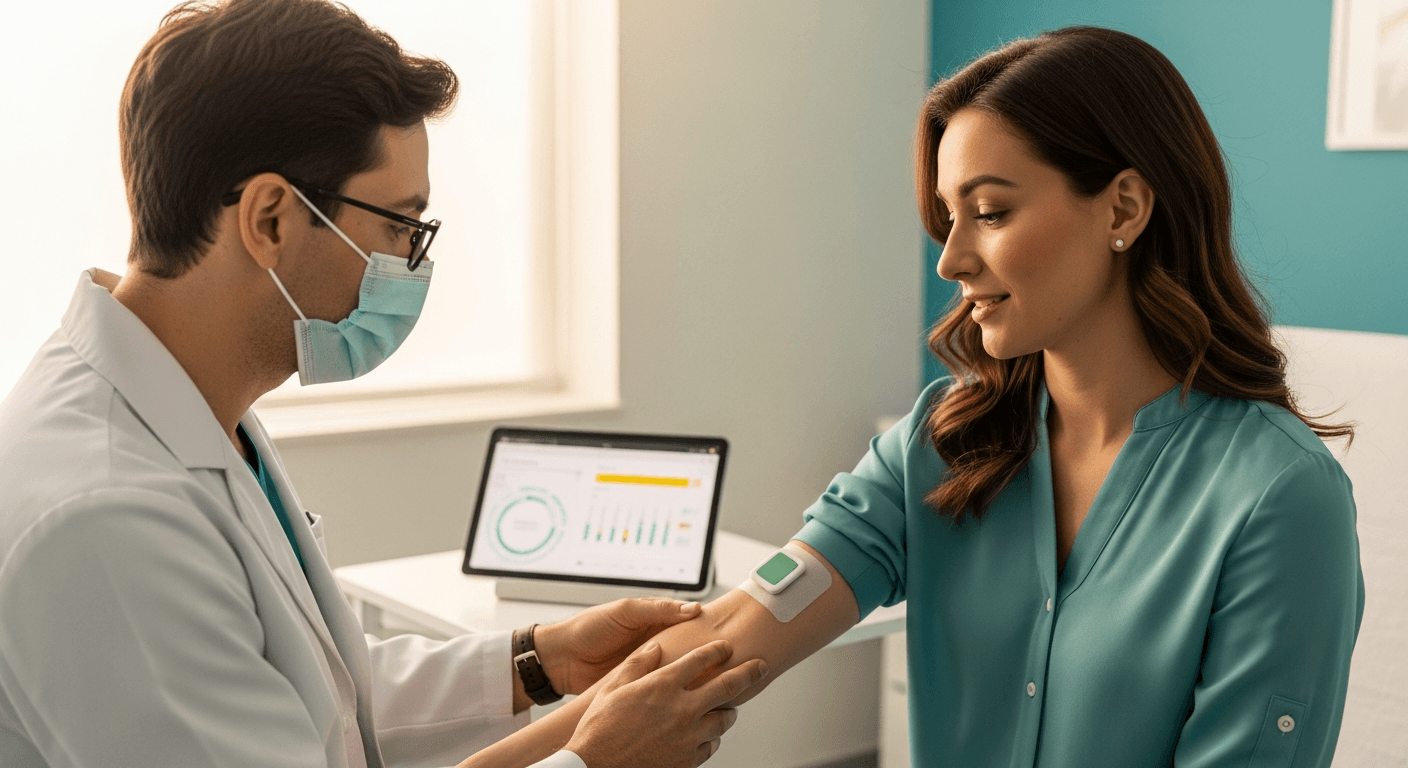
Researchers have developed a small, flexible skin patch that combines UV sensors with sophisticated artificial intelligence (AI). The patch continuously measures the amount of ultraviolet (UV) radiation your skin is exposed to from the sun. It then uses a complex algorithm, or a set of rules, to estimate how much vitamin D your body is producing based on factors like individual skin type, location, and time of day.
The patch wirelessly transmits this data to a smartphone app. The app then displays information about your sun exposure and vitamin D levels. It may even send alerts when you're approaching your recommended exposure or when you're at risk of sunburn.
The AI component learns from your data over time, potentially becoming more accurate in its estimations. This personalized approach allows for a more precise understanding of your individual vitamin D needs. This ties in with the benefits outlined in The Ultimate Guide to Preventive Care: Stay Healthy at Every Age.
Why This Matters for Patients
This AI-powered patch may offer several potential benefits for people of all ages. It empowers individuals to make informed decisions about their sun exposure, balancing the need for vitamin D with the risk of sun damage.
Adults
For working-age adults, the patch provides a convenient way to monitor sun exposure during outdoor activities like sports, gardening, or simply commuting. It can help prevent sunburns. Vitamin D deficiency is common, and this technology may help adults optimize their levels. Furthermore, this patch could be a valuable tool, in conjunction with innovations such as the AI-Powered Skin Patch Delivers Personalized Cancer Immunotherapy, for improving overall skin health.
Older Adults
Older adults are particularly vulnerable to vitamin D deficiency, as their skin may produce less vitamin D from sunlight as they age. They are also at higher risk of falls and fractures, which can be exacerbated by low vitamin D levels. The patch may help older adults ensure they're getting enough sun exposure to maintain healthy bones, while still protecting their skin from sun damage. It also ties in with the ideas in How to Build a Healthy Plate: Your Guide to Balanced Nutrition.
Children and Teens
This patch could be used to help children and teenagers develop healthy sun exposure habits early in life. By providing feedback and personalized recommendations, the patch can educate them about the importance of sun protection and vitamin D.
What the Experts Are Saying
Early research suggests this technology holds promise. Experts believe the patch could be particularly useful for people with conditions that affect vitamin D absorption, such as Crohn's disease or celiac disease. It may also be beneficial for individuals with darker skin tones, who require more sun exposure to produce the same amount of vitamin D as people with lighter skin.
However, it's important to remember that the patch is still in development. Research suggests that further studies are needed to validate its accuracy and effectiveness across different populations. Experts also emphasize that the patch should not replace traditional sun safety measures, such as wearing sunscreen, hats, and protective clothing.
What Comes Next
The AI-powered skin patch is currently undergoing clinical trials to further assess its accuracy and reliability. Researchers are working to refine the AI algorithms and expand the patch's capabilities, potentially including the ability to monitor other biomarkers related to skin health.
The developers anticipate seeking FDA approval within the next two years. If approved, the patch could be available to consumers within three to five years. However, regulatory hurdles and the need for further research could potentially delay this timeline.
When to Talk to Your Doctor
Seek immediate medical attention if you experience:
- Severe sunburn with blistering, pain, or fever
- Signs of heatstroke, such as dizziness, confusion, or rapid heart rate
- Any suspicious skin changes, such as new moles or changes in existing moles
If you have concerns about your sun exposure or vitamin D levels, talk to your doctor. If you manage a chronic condition that may affect your vitamin D levels, bring this article to your next appointment to discuss whether this patch changes your care plan.
Sources & Further Reading
Disclaimer: This article is for informational purposes only and does not constitute medical advice. Always consult a qualified healthcare professional.