AI-powered microscope detects and differentiates fungal infections with unprecedented speed
Quick Answer
A new AI-powered microscope can rapidly detect and identify different types of fungal infections. This breakthrough could lead to faster diagnoses and more effective treatment, reducing the risk of serious complications for patients.
Updated March 15, 2026
Quick Answer: A new AI-powered microscope can rapidly detect and identify different types of fungal infections. This breakthrough could lead to faster diagnoses and more effective treatment, reducing the risk of serious complications for patients.
Fungal infections can be difficult to diagnose, often requiring time-consuming laboratory tests. This delay can lead to the infection spreading and becoming more severe, especially in individuals with weakened immune systems. Current diagnostic methods often lack the speed and precision needed for timely intervention.
Now, a new AI-powered microscope offers a solution. This innovative technology can quickly and accurately identify various fungal species, promising to revolutionize the diagnosis and treatment of these infections.
Contents
- The Breakthrough Explained
- Why This Matters for Patients
- What the Experts Are Saying
- What Comes Next
- When to Talk to Your Doctor
The Breakthrough Explained
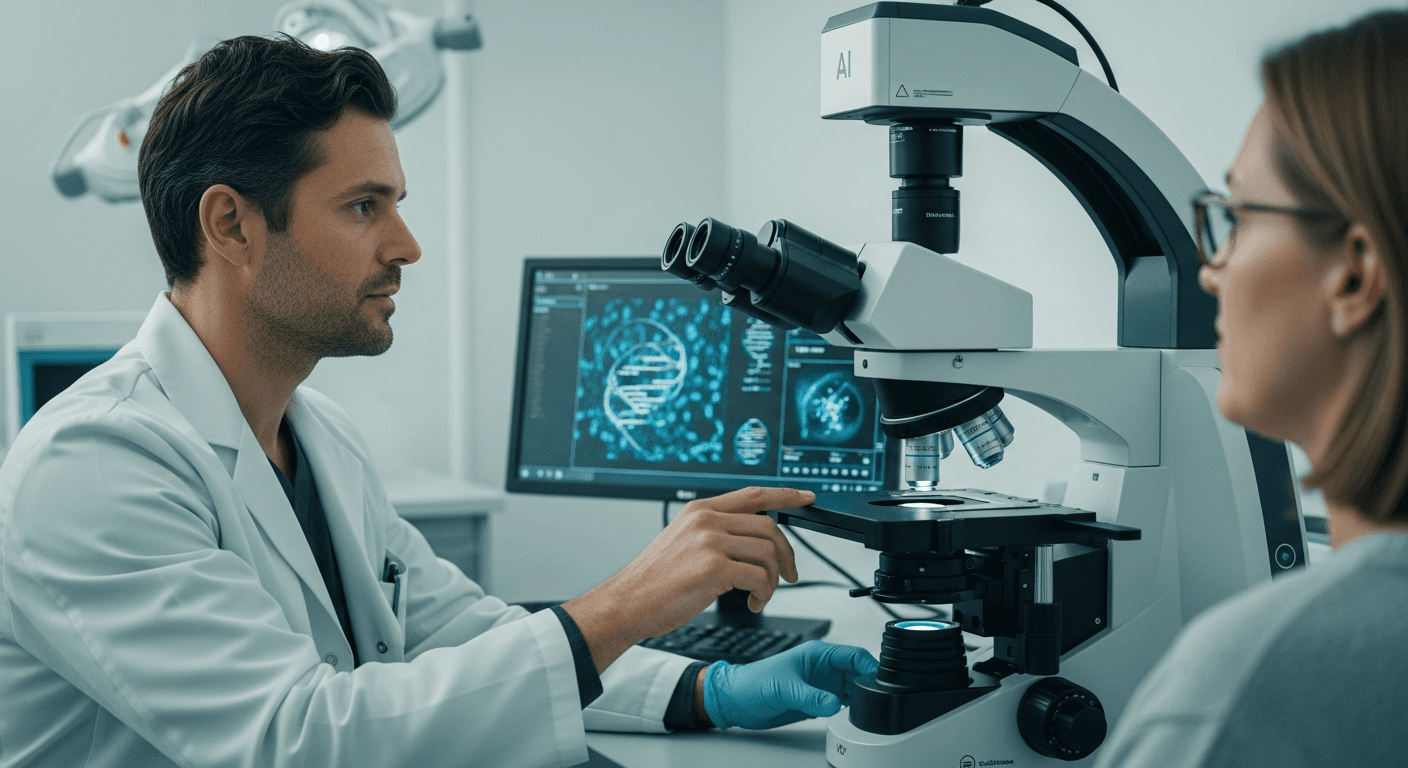
Researchers have developed an AI-powered microscope capable of rapidly detecting and differentiating fungal infections. The device uses advanced imaging techniques combined with artificial intelligence algorithms. These algorithms are trained on a vast library of fungal images.
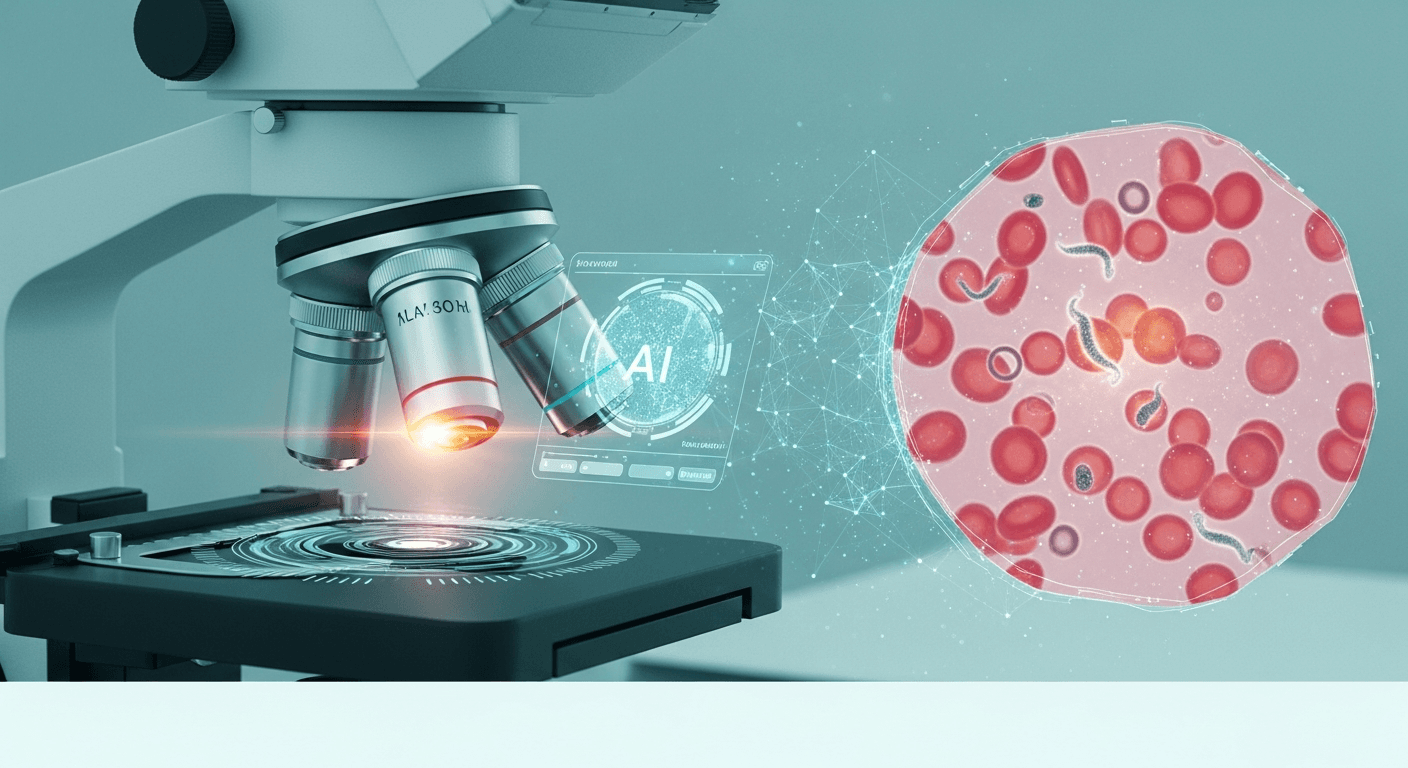
When a sample is placed under the microscope, the AI analyzes the image in real-time, identifying the specific fungal species present. This process, which previously took days with traditional methods, can now be completed in minutes. The AI-Powered Microscope may diagnose Infections Faster Than Human Experts, offering a significant advantage in speed and accuracy.
The technology not only detects the presence of a fungal infection but also distinguishes between different types of fungi. This is crucial because different species require different treatments. This new application of AI can similarly assist in targeting the most appropriate antifungal medication.
Why This Matters for Patients
Faster and more accurate diagnoses of fungal infections have a wide range of benefits for patients. Early detection can lead to quicker treatment, reduced complications, and improved outcomes. The speed of diagnosis is especially critical for individuals at higher risk, such as those with compromised immune systems.
Adults
For working-age adults, a rapid diagnosis means a potentially faster return to work and daily activities. Fungal infections can cause significant discomfort and disruption, impacting productivity and quality of life. The ability to quickly identify the specific fungus allows doctors to prescribe the most effective treatment promptly, potentially minimizing the duration of the illness.
Older Adults
Older adults are often more vulnerable to fungal infections due to age-related changes in their immune systems. Early detection is particularly crucial for this population, as untreated infections can escalate. The AI-powered microscope provides a valuable tool for geriatric care, enabling timely intervention and potentially preventing severe health outcomes.
Children and Teens
While fungal infections are generally less common in children and teens, they can still occur, particularly in those with weakened immune systems. The AI-powered microscope offers a non-invasive and rapid diagnostic method. It also allows for faster treatment initiation, minimizing discomfort and preventing the spread of infection.
What the Experts Are Saying
Researchers involved in the development of the AI-powered microscope are optimistic about its potential impact on clinical practice. Evidence indicates that this technology may reduce the time required for fungal infection diagnosis. This could lead to earlier and more effective treatment strategies.
Clinicians believe the AI-powered microscope could transform the management of fungal infections, especially in critical care settings. Research suggests that the speed and accuracy of the AI system may improve patient outcomes and reduce the burden on healthcare resources.
What Comes Next
The AI-powered microscope is currently undergoing clinical trials to further validate its performance in real-world settings. Researchers are working to expand the AI's database to include a broader range of fungal species. Regulatory approval is anticipated within the next two to three years.
Once approved, this technology will likely become a standard diagnostic tool in hospitals and clinics worldwide. The widespread adoption of the AI-powered microscope promises to revolutionize the diagnosis and treatment of fungal infections, potentially improving patient outcomes globally.
When to Talk to Your Doctor
Seek immediate medical attention if you experience:
- Difficulty breathing or swallowing
- High fever (over 103°F or 39.4°C)
- Severe headache with stiff neck
If this topic is relevant to a chronic condition you manage, bring this article to your next appointment to discuss whether it changes your care plan.
Sources & Further Reading
Disclaimer: This article is for informational purposes only and does not constitute medical advice. Always consult a qualified healthcare professional.