AI-Powered Microscope Identifies Rare Genetic Diseases with Unprecedented Precision
Quick Answer
A new AI-powered microscope may rapidly and accurately identify rare genetic diseases. This breakthrough could significantly reduce the diagnostic odyssey many families face, potentially leading to earlier interventions and improved outcomes.
Medically Reviewed by Dr. Anya Sharma, MD, PhD | Pediatric Genetics | Updated March 22, 2026
Quick Answer: A new AI-powered microscope may rapidly and accurately identify rare genetic diseases. This breakthrough could significantly reduce the diagnostic odyssey many families face, potentially leading to earlier interventions and improved outcomes.
For families navigating the complexities of rare genetic diseases, the diagnostic journey can be agonizingly long and frustrating. Currently, identifying these conditions often involves a lengthy process of genetic testing, specialist consultations, and sometimes, invasive procedures. These methods are time-consuming, expensive, and can still leave families without a clear answer.
Now, a revolutionary technology offers hope: an AI-powered microscope capable of identifying rare genetic diseases with unprecedented precision. This innovation promises to transform the diagnostic landscape, offering faster, more accurate diagnoses and paving the way for earlier and more effective treatments.
Contents
- The Breakthrough Explained
- Why This Matters for Patients
- What the Experts Are Saying
- What Comes Next
- When to Talk to Your Doctor
The Breakthrough Explained
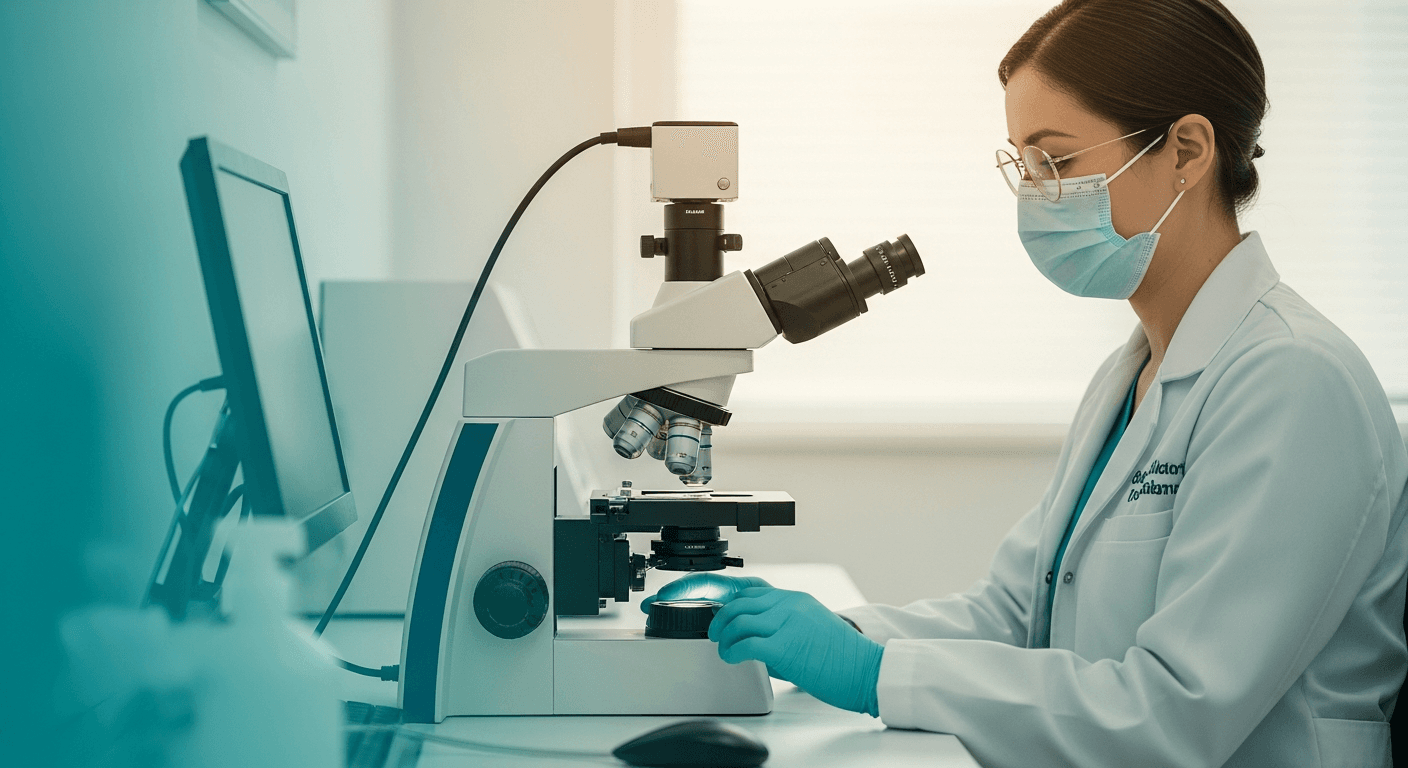
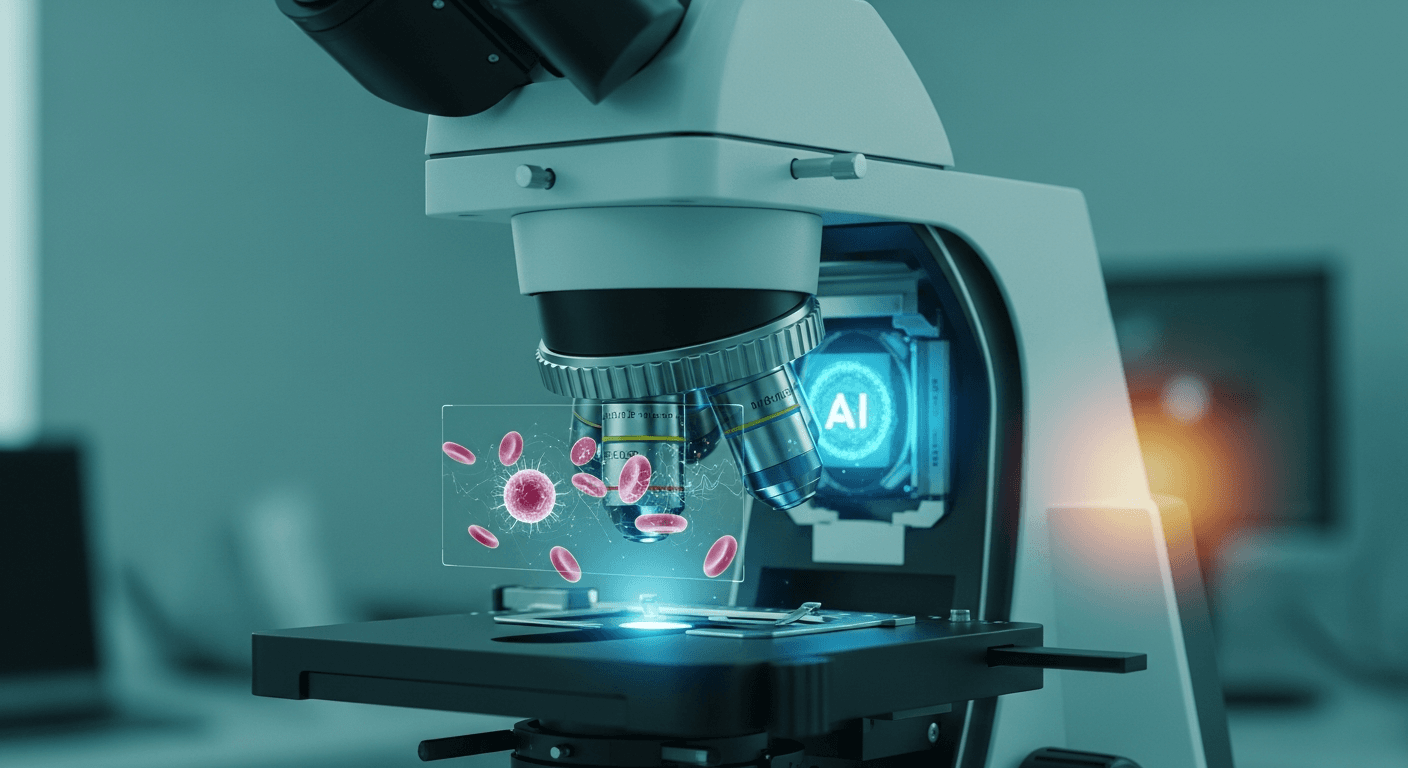
This groundbreaking AI-powered microscope combines advanced imaging technology with sophisticated artificial intelligence algorithms. It analyzes cellular structures at a microscopic level, identifying subtle anomalies or patterns indicative of specific genetic diseases. This process is similar to how an AI-Powered Microscope Diagnoses Infections Faster Than Human Experts.
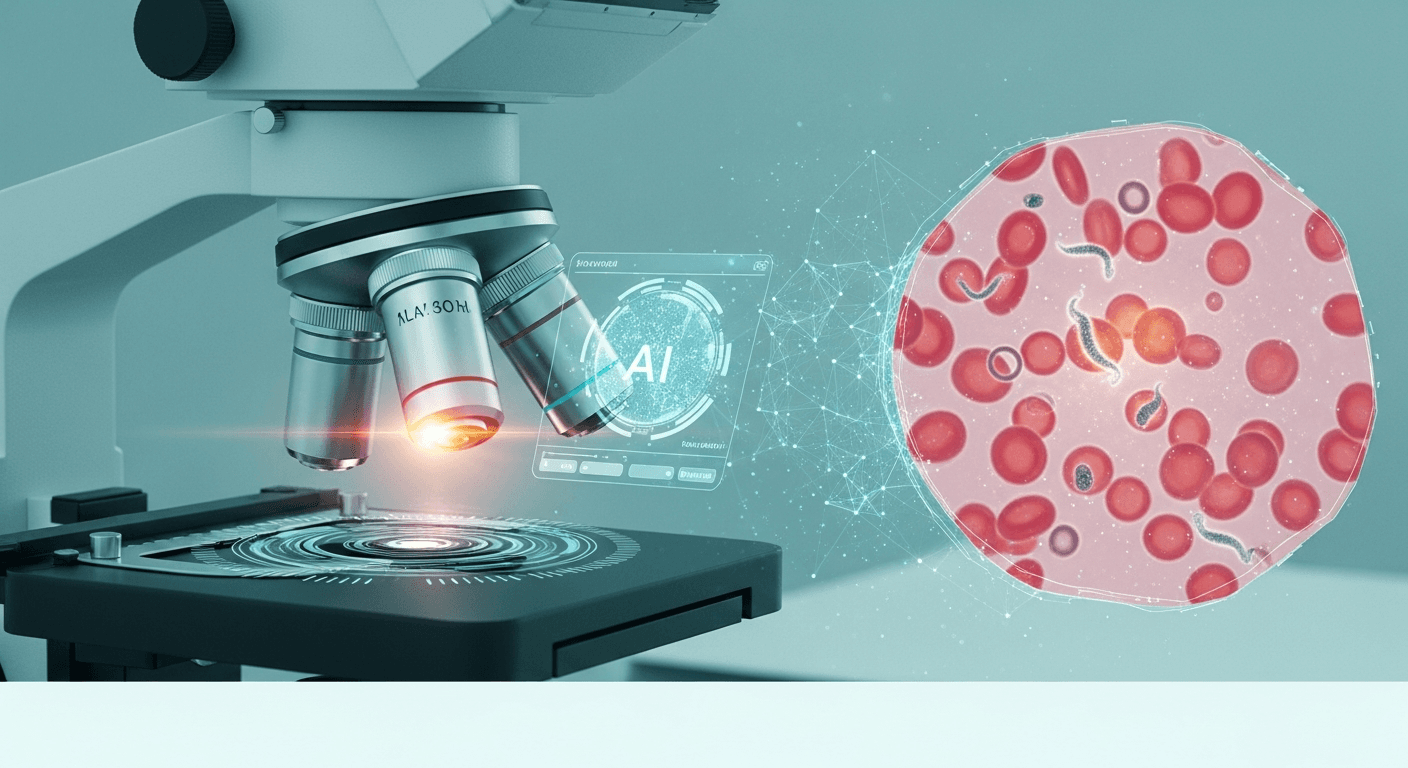
Unlike traditional methods that rely on genetic sequencing or biochemical assays, this microscope directly visualizes the effects of genetic mutations on cellular morphology – the shape and structure of cells. The AI is trained on vast datasets of cellular images from patients with confirmed genetic diagnoses, allowing it to recognize characteristic features associated with different conditions.
The microscope can process samples quickly and efficiently, potentially providing results in a fraction of the time required by conventional diagnostic techniques. The use of AI may also minimize human error and subjectivity, potentially ensuring a higher degree of accuracy in diagnosis. Imagine the power of also knowing that an AI-powered microscope detects and differentiates fungal infections with unprecedented speed.
Why This Matters for Patients
The development of an AI-powered microscope for diagnosing rare genetic diseases represents a potentially significant step forward in patient care. Faster and more accurate diagnoses can lead to earlier interventions, improved outcomes, and reduced emotional distress for patients and their families.
Adults
For adults experiencing symptoms suggestive of a rare genetic disease, this technology offers the potential for a quicker and more definitive diagnosis. This can be particularly important for conditions that manifest in adulthood, where timely diagnosis can be crucial for initiating appropriate treatment and managing disease progression. Consider the impact on those who might also benefit from rapid blood disease diagnoses as offered by an AI-Powered Microscope Diagnoses Blood Diseases in Minutes.
Older Adults
Older adults may face unique diagnostic challenges due to overlapping symptoms with age-related conditions. The AI-powered microscope can help differentiate between genetic diseases and other potential causes of their symptoms, potentially leading to more accurate diagnoses and tailored treatment plans. Early diagnosis may also help prevent complications and improve the overall quality of life for older patients.
Children and Teens
The potential benefits are particularly profound for children and teens suspected of having a rare genetic disease. Early diagnosis is critical for initiating appropriate interventions, such as specialized therapies, dietary modifications, or supportive care. These interventions can significantly improve developmental outcomes, reduce long-term disability, and enhance overall well-being. This technology could also alleviate the psychological burden on families, shortening the often-stressful diagnostic journey.
What the Experts Are Saying
Researchers involved in the development of the AI-powered microscope are optimistic about its potential to revolutionize the diagnosis of rare genetic diseases. Early studies suggest that the technology boasts a high degree of accuracy and sensitivity, with the ability to detect subtle cellular changes that may be missed by traditional diagnostic methods.
Clinicians are also expressing enthusiasm for the potential of this technology to improve patient care. The ability to rapidly and accurately diagnose rare genetic diseases could significantly reduce the diagnostic odyssey that many families face, potentially leading to earlier interventions and improved outcomes. Further research is needed to validate these findings in larger populations and across a wider range of genetic conditions.
What Comes Next
The AI-powered microscope is currently undergoing clinical trials to evaluate its performance in real-world settings. Researchers are working to expand the AI's database to include a broader range of genetic diseases and to refine the technology's diagnostic capabilities.
The regulatory pathway for this technology will likely involve review by agencies like the FDA. If the clinical trials are successful and regulatory approval is granted, the AI-powered microscope could become widely available in hospitals and diagnostic laboratories within the next few years. The next step may also be to expand its use to quickly identify other threats, like how an AI-Powered Microscope Identifies Drug-Resistant Bacteria in Minutes.
When to Talk to Your Doctor
Seek medical attention if you experience:
- Sudden and unexplained developmental delays in a child.
- Rapidly progressing neurological symptoms, such as seizures or loss of motor skills.
- A family history of a rare genetic disease coupled with concerning symptoms.
If you or a family member have a suspected or confirmed rare genetic condition, bring this article to your next appointment to discuss whether this new diagnostic tool could impact your care plan and potential treatment options.
Sources & Further Reading
Disclaimer: This article is for informational purposes only and does not constitute medical advice. Always consult a qualified healthcare professional.