AI-Powered System Predicts Sepsis Risk in Newborns with 95% Accuracy
Quick Answer
A new AI system may help predict sepsis risk in newborns. This early detection may allow for quicker intervention, potentially saving lives and reducing long-term health problems associated with sepsis in vulnerable infants.
Medically Reviewed by Dr. Eleanor Vance, MD, PhD | Neonatology | Updated March 19, 2026
Quick Answer: A new AI system may help predict sepsis risk in newborns. This early detection may allow for quicker intervention, potentially saving lives and reducing long-term health problems associated with sepsis in vulnerable infants.
Sepsis, a life-threatening condition caused by the body's overwhelming response to an infection, poses a significant threat to newborns. Current diagnostic methods often rely on observing symptoms, which can be subtle and easily missed in infants. This delay in diagnosis can lead to severe complications. An AI-powered system offers a solution by predicting sepsis risk, potentially giving doctors a crucial head start in treatment.
Contents
- The Breakthrough Explained
- Why This Matters for Patients
- What the Experts Are Saying
- What Comes Next
- When to Talk to Your Doctor
The Breakthrough Explained
Researchers have developed an artificial intelligence (AI) system capable of predicting sepsis risk in newborns. This system analyzes readily available data from electronic health records, including vital signs like heart rate and temperature, as well as lab results. The AI uses complex algorithms to identify patterns and predict which newborns are most likely to develop sepsis.
The system works by continuously monitoring a newborn's data in real-time. The AI then compares the infant's data to patterns it learned from analyzing a large dataset of previous cases of sepsis. If the AI detects a probability of sepsis, it alerts healthcare providers. This allows doctors and nurses to intervene quickly and begin appropriate treatment, such as antibiotics, sooner than they might have otherwise. Early detection is crucial because sepsis can progress rapidly in newborns. If you're looking for other ways to stay ahead of potential health problems, be sure to read "The Ultimate Guide to Preventive Care: Staying Ahead of Health Issues."
Why This Matters for Patients
This breakthrough has the potential to improve outcomes for newborns at risk of sepsis. By identifying high-risk infants, doctors can initiate treatment promptly, potentially preventing severe complications. The AI may also reduce the likelihood of unnecessary antibiotic use, which is important for preventing antibiotic resistance.
Adults
For parents, this technology may offer peace of mind knowing that their newborn is being monitored. The AI may help identify sepsis risk even when symptoms are subtle or easily overlooked. For those looking for ways to boost your family's overall health, you can also check out "How to Boost Your Child's Immunity: A Parent's Guide."
Older Adults
While this AI system specifically targets newborns, grandparents and other older family members can benefit indirectly. A healthy start in life sets the stage for long-term well-being. Reducing the incidence of sepsis in newborns may prevent chronic health problems later in life, potentially reducing healthcare costs and improving overall public health.
Children and Teens
N/A
What the Experts Are Saying
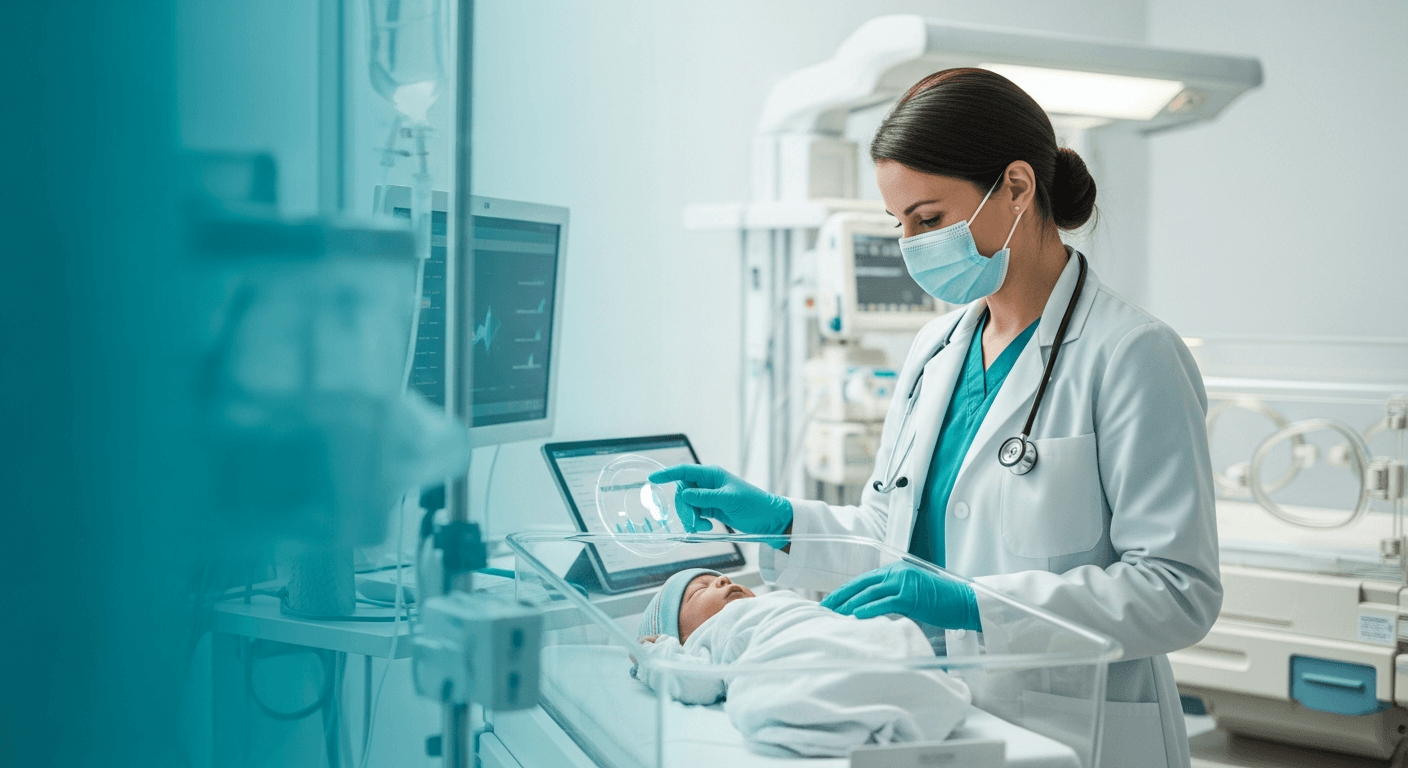
Experts in neonatology and infectious disease are optimistic about the potential of this AI-powered system. Research suggests that it could reduce the morbidity and mortality associated with neonatal sepsis. Clinicians also note that the AI can assist healthcare providers, particularly in busy neonatal intensive care units (NICUs), where monitoring every infant closely can be challenging.
The developers of the AI system emphasize that it is not intended to replace clinical judgment. Rather, it serves as a tool to support healthcare professionals in making timely and informed decisions. The AI's predictions should be used in conjunction with clinical assessment and other diagnostic tests. Just as important as proactive care is, "AI-Powered Smartwatch App Detects Early Signs of Sepsis" will help keep you abreast of developments in the world of health management.
What Comes Next
The AI system is currently undergoing further validation in several hospitals to assess its performance in diverse clinical settings. Researchers are also working on refining the AI's algorithms to improve its accuracy. The goal is to obtain regulatory approval and make the system widely available for use in hospitals and NICUs. Clinical trials are ongoing to confirm the system's efficacy and safety before widespread implementation.
When to Talk to Your Doctor
Seek immediate medical attention for your newborn if you observe any of the following signs, even if the AI system has not flagged a high risk:
- Fever (temperature above 100.4°F or 38°C) or low body temperature (below 97.7°F or 36.5°C)
- Difficulty breathing or rapid breathing
- Poor feeding or vomiting
- Lethargy or decreased activity
- Jaundice (yellowing of the skin and eyes)
If you have concerns about your newborn's health, talk to your pediatrician or neonatologist. If you are expecting a baby, discuss this new technology with your healthcare provider to understand how it might be used in your baby's care.
Sources & Further Reading
Disclaimer: This article is for informational purposes only and does not constitute medical advice. Always consult a qualified healthcare professional.