AI-Powered Robotic System Improves Accuracy in Cochlear Implant Placement

Quick Answer
An AI-powered robotic system is being developed to improve the accuracy of cochlear implant placement. This may lead to better hearing outcomes, reduced risks, and faster recovery times for people with severe hearing loss.
Medically Reviewed by Dr. Eleanor Vance, MD, PhD | Neurotology | Updated March 27, 2026
Quick Answer: An AI-powered robotic system is being developed to improve the accuracy of cochlear implant placement. This may lead to better hearing outcomes, reduced risks, and faster recovery times for people with severe hearing loss.
Hearing loss affects millions, significantly impacting communication and quality of life. Current cochlear implant surgery, while effective, relies heavily on surgical skill and precision, leading to variability in outcomes. Now, a new development promises to refine the procedure.
An AI-powered robotic system is offering a more precise and less invasive approach to cochlear implant placement, offering new hope for improved hearing outcomes and reduced complications.
Contents
- The Breakthrough Explained
- Why This Matters for Patients
- What the Experts Are Saying
- What Comes Next
- When to Talk to Your Doctor
The Breakthrough Explained
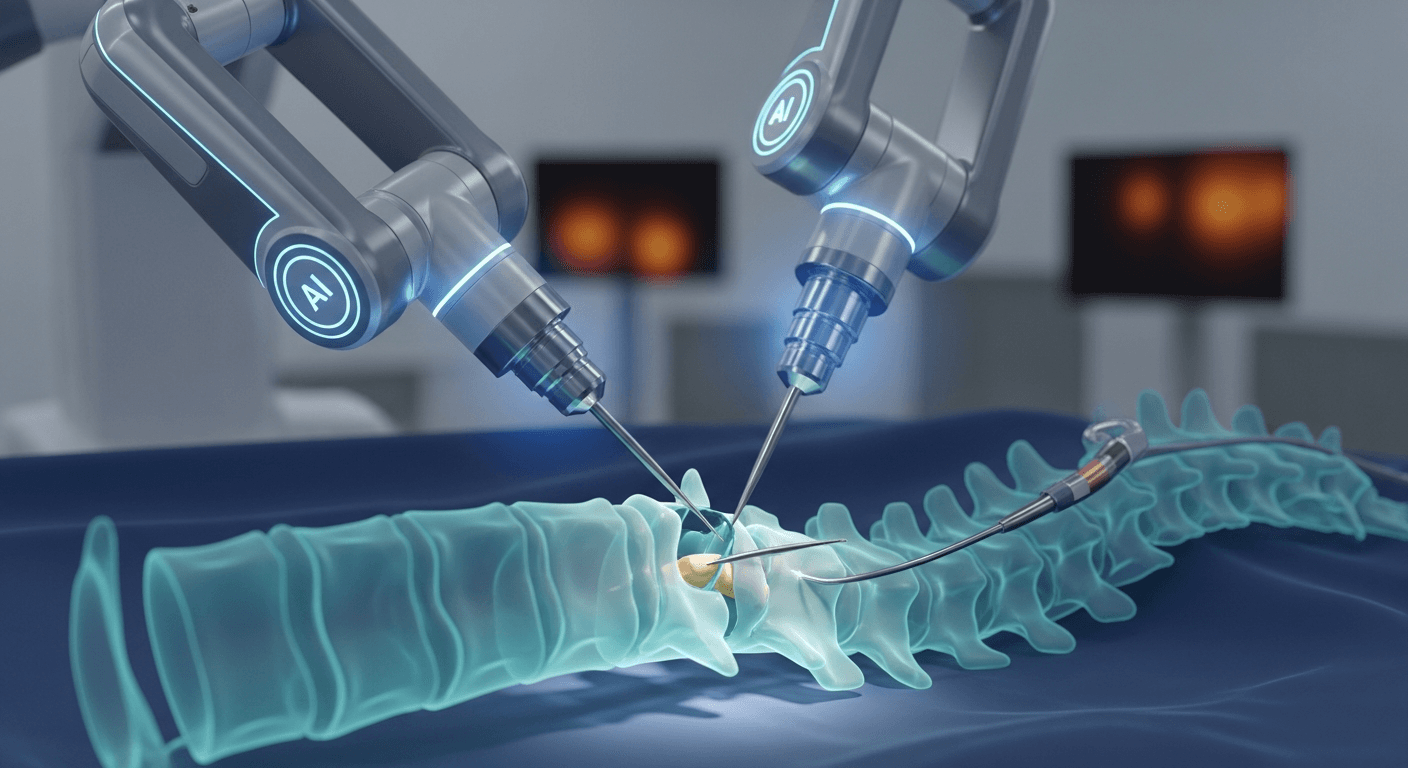
Researchers have developed an AI-powered robotic system designed to enhance the precision of cochlear implant surgery. Cochlear implants are small electronic devices that stimulate the auditory nerve, allowing people with severe hearing loss to perceive sound. The system uses advanced imaging and artificial intelligence to map the inner ear and guide the surgeon in placing the implant with greater accuracy.
The robot combines high-resolution imaging with real-time feedback, allowing for precise navigation within the delicate structures of the cochlea, the spiral-shaped bone in the inner ear that is essential for hearing. This precision minimizes the risk of damage to surrounding tissues, potentially reducing complications such as tinnitus, a ringing in the ears, a condition that can be managed using approaches described in "How to Manage Tinnitus: A Comprehensive Guide".
The AI component of the system learns from vast datasets of anatomical information and surgical outcomes. This allows the robot to anticipate potential challenges and adjust its movements accordingly, ensuring optimal implant placement and potentially improving the chances of successful hearing restoration, which may not be possible with "New Gene Therapy Shows Promise in Restoring Hearing Loss Due to Genetic Mutation".
Why This Matters for Patients
The development of this AI-powered robotic system has the potential to improve the lives of individuals suffering from severe hearing loss. By refining the accuracy and safety of cochlear implant surgery, this technology may lead to better hearing outcomes, reduced complications, and a quicker return to daily activities.
Adults
For working-age adults experiencing significant hearing loss, this breakthrough may offer a renewed sense of independence and improved communication in professional and social settings. The increased precision of the procedure may translate to better speech understanding, allowing individuals to participate more fully in conversations and workplace interactions. A less invasive approach could also lead to a faster recovery, enabling people to return to work sooner.
Older Adults
Older adults, who often experience age-related hearing loss, may benefit from this new technology. Improved hearing can enhance their ability to maintain social connections, participate in family activities, and preserve their cognitive function. The reduced risk of complications associated with the robotic system can also make cochlear implantation a safer and more appealing option for this age group, especially if they might also need "AI-Powered Robotic System Enhances Precision in Complex Spinal Surgeries" due to age-related spinal issues.
Children and Teens
For children born with profound hearing loss or those who develop it early in life, the benefits of precise cochlear implant placement are significant. Early intervention is crucial for language development and academic success. This system could ensure that the implant is placed optimally to maximize auditory input, supporting the child's ability to learn to listen and speak.
What the Experts Are Saying
Experts in the field of audiology and otolaryngology (ear, nose, and throat surgery) are optimistic about the potential of AI-powered robotic surgery for cochlear implantation. Research suggests that the increased accuracy and reduced invasiveness of the procedure may lead to improved long-term outcomes and patient satisfaction.
Clinicians emphasize that further studies are needed to fully evaluate the benefits and risks of this new technology. However, the initial results are promising, and many believe that it could become the new standard of care for cochlear implant surgery in the future. They caution, however, that individual patient factors and anatomical variations may still require adjustments to the surgical approach.
What Comes Next
The AI-powered robotic system is currently undergoing clinical trials to assess its safety and effectiveness in a larger patient population. Researchers are collecting data on surgical outcomes, complication rates, and patient-reported hearing improvements. Pending successful completion of these trials and regulatory approval, the technology could become widely available within the next few years. The regulatory pathway involves review by agencies like the FDA to ensure the system meets stringent safety and performance standards.
When to Talk to Your Doctor
Seek immediate medical attention if you experience:
- Sudden hearing loss
- Severe dizziness or vertigo
- Facial weakness or paralysis
If you are considering cochlear implantation or are experiencing significant hearing loss, bring this article to your next appointment to discuss whether this new technology is right for you and how it might change your care plan.
Sources & Further Reading
Disclaimer: This article is for informational purposes only and does not constitute medical advice. Always consult a qualified healthcare professional.