Biotech Breakthrough: Advanced Bio-Ink Creates Functional Vascular Networks in 3D Bioprinted Tissues
Quick Answer
A revolutionary new bio-ink technology now allows 3D bioprinted tissues to develop their own functional blood vessels. This breakthrough is critical for creating larger, more complex lab-grown organs and tissues, bringing us closer to personalized transplants and improved drug testing for many conditions.
Updated August 29, 2026
Quick Answer: A revolutionary new bio-ink technology now allows 3D bioprinted tissues to develop their own functional blood vessels. This breakthrough is critical for creating larger, more complex lab-grown organs and tissues, bringing us closer to personalized transplants and improved drug testing for many conditions.
For millions around the world, the waiting list for organ transplants can feel like an endless journey, often marked by uncertainty and declining health. Current medical treatments can manage organ failure for a time, but ultimately, a fully functional replacement organ remains the gold standard for long-term health and survival. The desperate need for viable donor organs far outstrips supply, leaving many without the life-saving treatment they need.
While the promise of 3D bioprinting — creating human tissues and organs in a lab — has offered hope for years, a major hurdle has always stood in its way. Engineered tissues struggled to grow beyond a tiny size because they couldn't develop a proper blood supply, like our natural organs have. Without these tiny vessels to deliver oxygen and nutrients, and remove waste, cells quickly starved and died. Now, a groundbreaking biotech breakthrough has addressed this critical challenge, unveiling an advanced bio-ink that successfully creates functional vascular networks within 3D bioprinted tissues. This innovation marks a monumental step forward in regenerative medicine.
Contents
- The Breakthrough Explained
- Why This Matters for Patients
- What the Experts Are Saying
- What Comes Next
- When to Talk to Your Doctor
The Breakthrough Explained
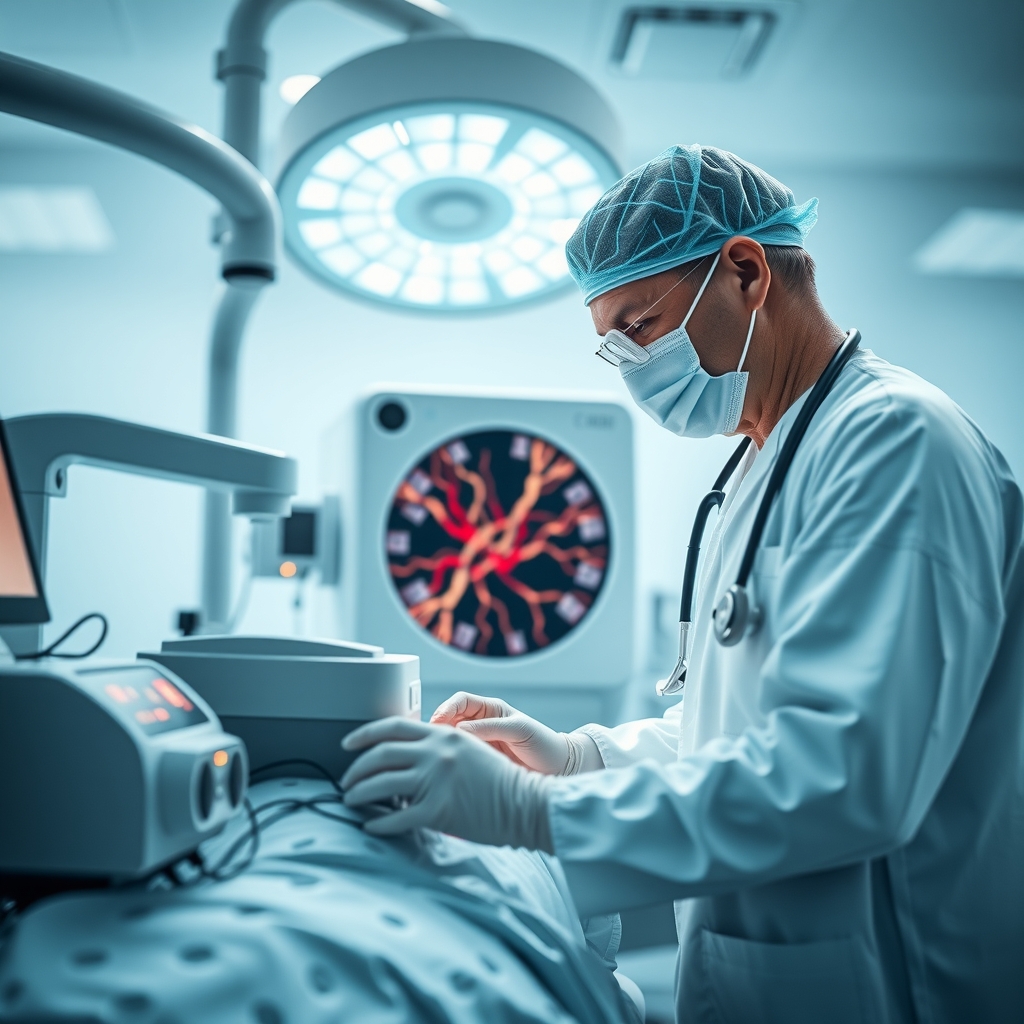
At the heart of this medical advancement is a novel bio-ink, a specialized material designed to be used in 3D bioprinters. Unlike previous materials, this advanced bio-ink contains a precise blend of growth factors, structural components, and living cells, such as endothelial cells which naturally line blood vessels. When printed, these components work together to guide the formation of intricate vascular networks within the engineered tissue.
The bioprinting process lays down layers of this specialized ink, creating a scaffold that mimics the architecture of natural tissue. Over time, as the cells within the bio-ink mature, they self-assemble into complex webs of capillaries and small blood vessels. Crucially, these new vessels become stable and functional, able to transport vital nutrients and oxygen while efficiently removing metabolic waste products, just like the circulatory system in our own bodies.
Previous attempts to create vascularized tissues often resulted in fragile, non-functional vessel structures that quickly collapsed. This new bio-ink technology represents a significant leap forward, supporting the long-term viability and complexity of engineered tissues. It enables scientists to produce larger, more robust tissue constructs that can potentially survive and thrive once implanted, overcoming a major barrier in regenerative medicine.
Why This Matters for Patients
This breakthrough in vascularization holds immense promise for patients across various age groups, offering potential solutions for organ failure, chronic diseases, and even severe injuries. The ability to create tissues that are properly nourished and oxygenated means we can move closer to developing functional replacement parts for the human body. This advancement may also significantly improve how new drugs are developed and tested, potentially reducing reliance on animal testing.
Adults
For working-age adults, this technology could offer life-changing possibilities. Imagine receiving a lab-grown heart patch to repair damage after a heart attack or a liver segment to treat cirrhosis, reducing the agonizing wait for a donor organ. These personalized tissues, potentially created from a patient's own cells, could drastically lower the risk of immune rejection, a common complication with traditional transplants.
Furthermore, personalized drug testing using these advanced, vascularized tissues could revolutionize treatment for chronic conditions. Scientists could grow small tissue models of a patient's own organ, allowing them to test various medications to find the most effective treatment with the fewest side effects before it ever enters the patient's body. This approach could be particularly beneficial for complex conditions like Crohn's disease or certain cancers.
Older Adults
Older adults, who often carry the highest burden of chronic conditions like heart disease, kidney failure, and diabetes, stand to benefit significantly from this innovation. The availability of bioprinted tissues could offer a more accessible and less invasive alternative to traditional organ transplantation, which can be particularly challenging for older patients due to co-existing health issues. Reduced wait times for organs could lead to improved quality of life and extended lifespans.
The improved integration of vascularized tissues into the body is also crucial for older patients, who may experience slower healing processes. By ensuring tissues have a robust blood supply from the outset, the likelihood of successful implantation and long-term function may increase. This could provide more durable solutions for age-related organ decline or injury.
Children and Teens
This breakthrough holds profound implications for children and teens facing severe medical challenges. Young patients with congenital heart defects, kidney disease, or severe injuries could one day benefit from tailor-made tissues or even whole organs that grow with them. This personalized approach could reduce the need for multiple transplant surgeries as a child grows, offering solutions for rare diseases and conditions that currently have very limited options. For example, growing custom vascularized bone tissue could provide innovative solutions for children with severe skeletal deformities or bone cancers.
What the Experts Are Saying
Clinicians, while excited, stress that extensive research and rigorous clinical trials are still essential before these technologies can reach patients. However, the ability to engineer tissues with a functional blood supply may accelerate the development of complex Biotech Breakthrough: Bioengineered Lung Tissue Models Personalized Drug Testing for IPF and liver tissues for drug screening, potentially revolutionizing how new medications are developed. This advancement also complements ongoing efforts in AI-Powered Organ-on-a-Chip Accelerates Drug Toxicity Screening, allowing for more realistic and predictive models in drug discovery.
What Comes Next
While incredibly promising, this bio-ink technology is currently in its pre-clinical and advanced laboratory testing phases. Researchers are now focused on refining the bio-ink formulations, optimizing printing techniques, and conducting extensive animal trials to confirm the safety and efficacy of these vascularized tissues in living systems. This includes ensuring the printed vessels integrate seamlessly with the host's circulatory system and remain functional long-term.
The timeline for clinical availability will depend on the complexity of the tissue being developed. Simpler tissue patches, such as those for skin grafts or cartilage repair, may enter human trials within the next few years. Creating entire organs, however, presents significantly greater challenges in scalability, long-term viability, and regulatory approval, suggesting that such solutions are likely still a decade or more away. This new bio-ink also opens avenues for enhancing other regenerative approaches, such as those described in Biotech Breakthrough: mRNA Reprograms Cells for Organ Regeneration, by ensuring the regenerated cells have the necessary blood supply. The technology might even find applications in specialized areas like dentistry, building on progress seen in Biotech Breakthrough: Novel Hydrogel Regenerates Dental Pulp Tissue.
When to Talk to Your Doctor
While this technology holds immense future promise, it is not yet available for direct patient care. There are no immediate changes to current treatment protocols for organ failure or chronic conditions based on this specific research.
Seek immediate medical attention if you experience:
- Sudden, severe pain in your chest, abdomen, or any organ system.
- Unexpected swelling, especially if accompanied by redness or warmth.
- Unexplained high fever or signs of infection.
If this topic is relevant to a chronic condition you manage, such as heart disease, kidney disease, or liver failure, bring this article to your next appointment to discuss whether it changes your care plan. Your doctor can provide personalized information about current treatment options and what future advancements might mean for your specific health journey.
Sources & Further Reading
Disclaimer: This article is for informational purposes only and does not constitute medical advice. Always consult a qualified healthcare professional.