New Robotic System Achieves Scarless Endoluminal Surgery for Early Gastrointestinal Cancers
Quick Answer
A revolutionary new robotic system aims to allow surgeons to remove early-stage gastrointestinal cancers from inside the body, avoiding external incisions entirely. This scarless approach may lead to faster recovery, potentially fewer complications, and a significantly improved patient experience for those facing early diagnoses.
Medically Reviewed by Dr. Anya Sharma, MD, PhD, Gastroenterologist & Robotic Surgery Specialist | Updated September 24, 2026
Quick Answer: A revolutionary new robotic system aims to allow surgeons to remove early-stage gastrointestinal cancers from inside the body, avoiding external incisions entirely. This scarless approach may lead to faster recovery, potentially fewer complications, and a significantly improved patient experience for those facing early diagnoses.
Facing a cancer diagnosis, even an early one, can bring a wave of anxiety, especially when thinking about surgery. Traditional operations for gastrointestinal (GI) cancers often require significant incisions, leading to visible scars, longer hospital stays, and a recovery period that can be both painful and disruptive. For many, the physical and emotional toll of invasive surgery is a daunting prospect.
While less invasive options like endoscopy exist for very superficial growths, they have limits for slightly larger or deeper early-stage cancers, where conventional open or laparoscopic surgery has often been the only option. Patients are left hoping for effective treatments that don't also leave a lasting mark on their bodies and daily lives. Now, groundbreaking advances in robotic surgery are poised to offer a new path forward, providing both precision and peace of mind.
Contents
- The Breakthrough Explained
- Why This Matters for Patients
- What the Experts Are Saying
- What Comes Next
- When to Talk to Your Doctor
The Breakthrough Explained
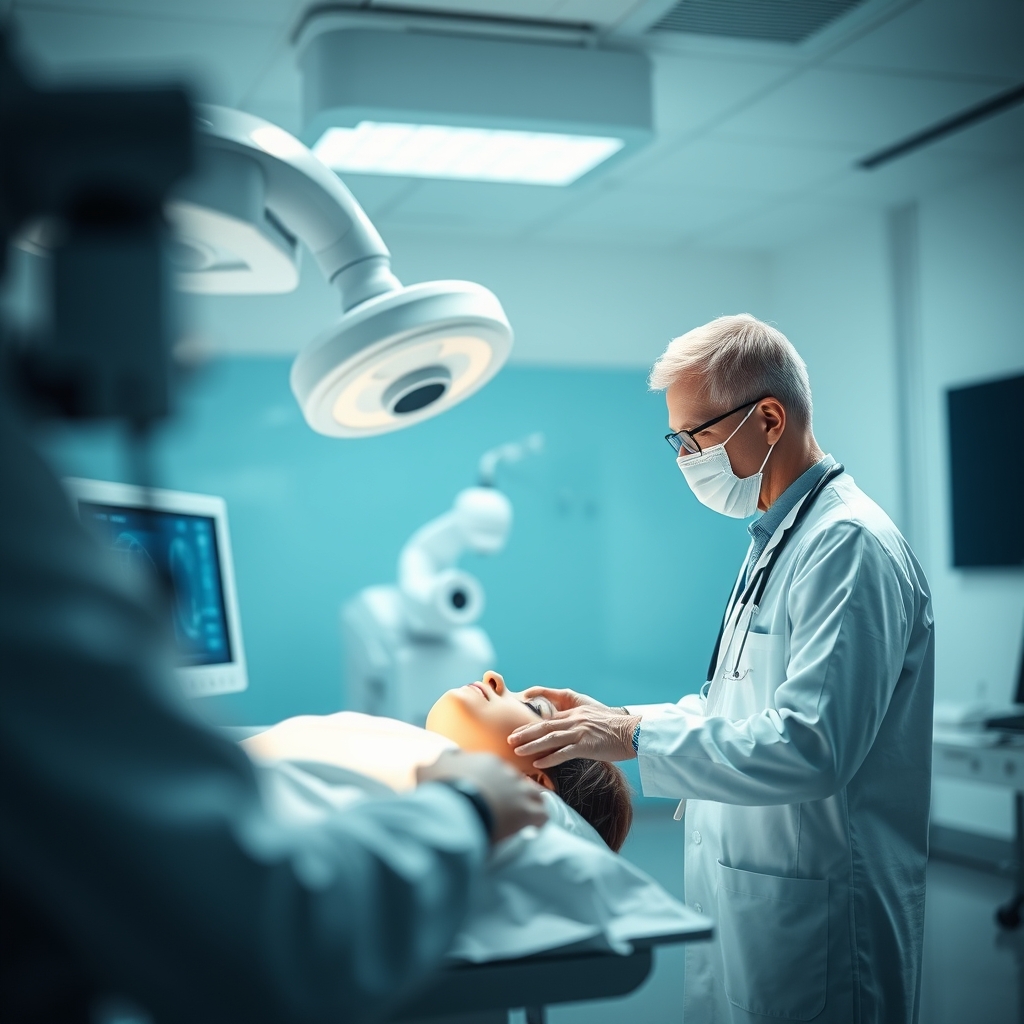
A new robotic surgical system aims to achieve a significant milestone in treating early gastrointestinal cancers: completely scarless, endoluminal surgery. "Endoluminal" means the surgery is performed entirely from within the body's natural openings, such as the mouth or anus, aiming to eliminate the need for any external cuts. This innovative approach represents a major leap in minimally invasive treatment.
The system utilizes highly dexterous, miniaturized robotic instruments that a surgeon controls remotely from a console. These tiny tools navigate through the digestive tract – the esophagus, stomach, or colon – to precisely locate and facilitate the removal of cancerous lesions. Its advanced imaging and enhanced maneuverability are designed to allow for intricate work deep inside the body that would be challenging with traditional endoscopic tools.
This method combines the benefits of robotic precision with the goal of a scarless outcome, with the potential to change how we think about gastrointestinal cancer treatment. It aims to allow for the complete removal of early-stage tumors while preserving the surrounding healthy tissue and maintaining the body's natural appearance. This advancement builds upon the growing trend of robotic systems enhancing surgical precision across various fields, much like the precision seen in systems used for delicate procedures such as AI-Powered Robotic System Masters Ultra-Fine Lymphatic Vessel Surgery.
Why This Matters for Patients
This new robotic system could transform the experience for patients diagnosed with early gastrointestinal cancers. It offers the promise of effective treatment without the often-significant recovery time and visible reminders associated with traditional surgery. This shift can greatly reduce the physical and emotional burden of cancer treatment.
Adults
For working-age adults, the ability to undergo scarless surgery for early GI cancers could mean a significantly faster return to daily life. With no external incisions, recovery times are expected to be much shorter, potentially allowing individuals to resume work and personal activities more quickly. This could reduce the financial strain and disruption that often accompany prolonged recovery from invasive procedures.
The psychological benefits are also profound, as avoiding visible scars may greatly improve body image and reduce the stigma sometimes associated with cancer surgery. This may contribute to a more positive outlook during and after treatment. The ability to detect these cancers early, potentially through innovations like an AI-Powered Blood Test Detects Endometrial Cancer Early, is crucial for making scarless surgical options viable.
Older Adults
Older adults often carry the highest burden of gastrointestinal diseases, making less invasive options particularly important for this group. Traditional major surgeries can pose greater risks for those aged 65 and over, especially for individuals with other existing health conditions. This new robotic approach is designed to significantly reduce surgical stress on the body.
Minimizing incisions is intended to lead to less pain, a lower risk of complications like infections, and a quicker bounce-back from anesthesia. For older patients, a faster recovery could mean less time hospitalized and a quicker return to their normal routines, which is vital for maintaining independence and overall quality of life. The focus on precision in robotic systems, similar to those enhancing procedures like AI-Enhanced Robotic System Redefines Precision for Deep Brain Stimulation Implants, offers tailored benefits for delicate surgeries across all age groups.
What the Experts Are Saying
Leading clinicians and researchers are expressing considerable optimism about this new robotic system. Many highlight its potential to set a new standard for early gastrointestinal cancer treatment, emphasizing the benefits of precision surgery without external incisions. Research suggests this method could lead to significantly improved patient outcomes and satisfaction.
Experts acknowledge that while the technology is promising, continued research into long-term efficacy and broader applicability is essential. They also point to the need for specialized training for surgeons to master these advanced robotic techniques. The general consensus is that this breakthrough could represent a pivotal moment in surgical oncology, with the goal of treatments that are both highly effective and profoundly patient-friendly.
What Comes Next
This new robotic system is currently undergoing advanced clinical trials to gather more data on its safety and effectiveness across a wider patient population. If these trials continue to yield positive results, the next step would involve seeking regulatory approvals from health authorities like the FDA. This process is designed to ensure the technology meets stringent standards for medical devices.
Once approved, the system would gradually become available in specialized medical centers, likely beginning with institutions that have established robotic surgery programs. Widespread adoption will also depend on surgeon training, cost-effectiveness, and insurance coverage. It may take several years before this scarless surgical option is readily accessible to all eligible patients, but the progress is very encouraging.
When to Talk to Your Doctor
Seek immediate medical attention if you experience:
- Severe, persistent abdominal pain
- Unexplained weight loss or loss of appetite
- Persistent nausea, vomiting, or difficulty swallowing
- Blood in your stool or black, tarry stools
- Persistent changes in bowel habits (e.g., new constipation or diarrhea)
If this topic is relevant to a chronic condition you manage, or if you are concerned about symptoms related to gastrointestinal health, bring this article to your next appointment to discuss whether it changes your care plan.
Sources & Further Reading
Disclaimer: This article is for informational purposes only and does not constitute medical advice. Always consult a qualified healthcare professional.