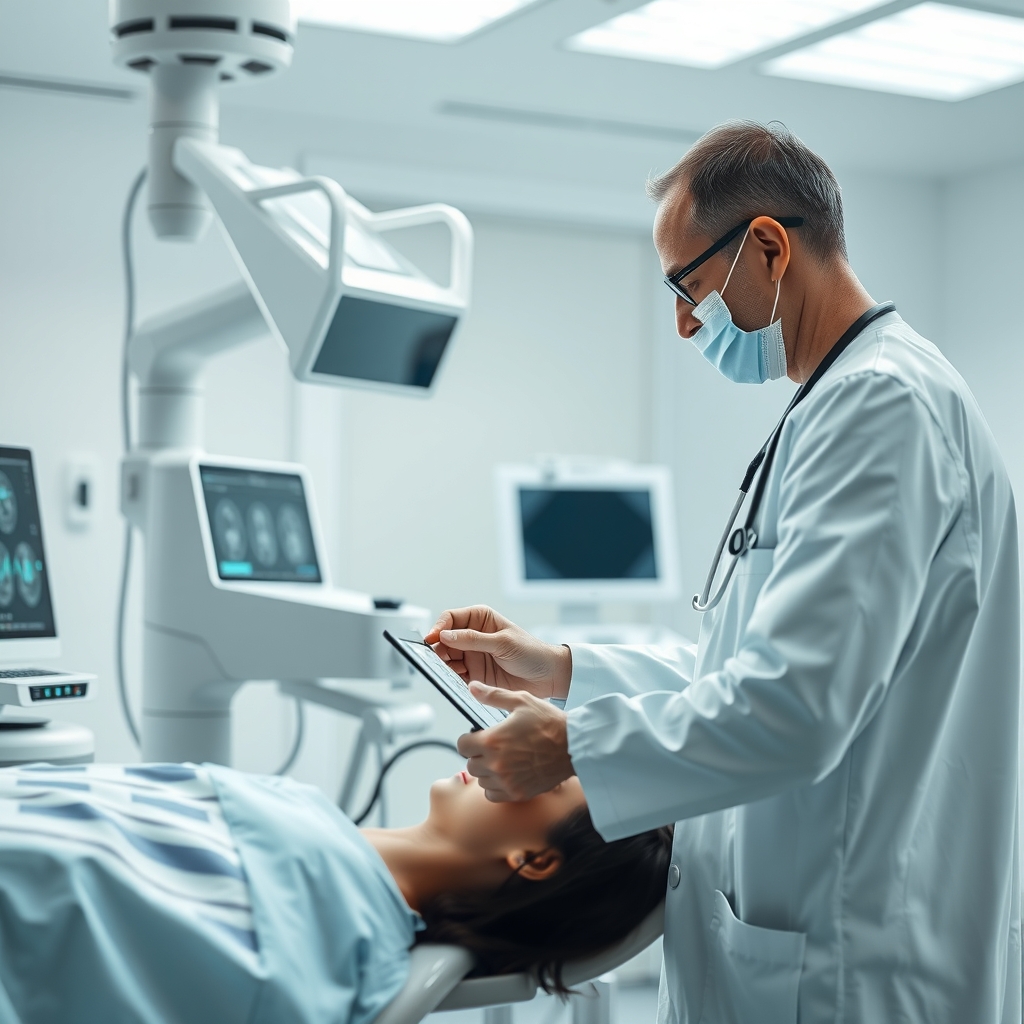
AI Accelerates Preeclampsia Detection Through Novel Biomarker Discovery
Quick Answer
A new AI-driven breakthrough has identified novel biological markers that have shown potential to detect preeclampsia much earlier in pregnancy. This innovation aims to provide crucial early warnings, potentially allowing doctors to intervene sooner and significantly improving health outcomes for both expectant mothers and their babies.
Medically Reviewed by Dr. Anya Sharma, MD, Maternal-Fetal Medicine Specialist | Updated September 27, 2026
Quick Answer: A new AI-driven breakthrough has identified novel biological markers that have shown potential to detect preeclampsia much earlier in pregnancy. This innovation aims to provide crucial early warnings, potentially allowing doctors to intervene sooner and significantly improving health outcomes for both expectant mothers and their babies.
Preeclampsia, a serious pregnancy complication marked by high blood pressure and signs of organ damage, affects millions of pregnancies worldwide each year. It can emerge suddenly, often without clear warning signs until the condition is advanced, creating immense anxiety and risk for expecting parents. This unpredictable nature makes it one of the most feared complications in maternal health.
Currently, diagnosing preeclampsia often relies on monitoring blood pressure and urine protein levels, but these indicators typically appear later in the disease's progression, when significant risks may already be present. Existing screening methods can sometimes be inaccurate or lead to false alarms, delaying vital interventions or causing unnecessary stress. However, groundbreaking research harnessing the power of artificial intelligence is now poised to revolutionize how we detect this challenging condition, offering hope for earlier, more reliable predictions.
Contents
- The Breakthrough Explained
- Why This Matters for Patients
- What the Experts Are Saying
- What Comes Next
- When to Talk to Your Doctor
The Breakthrough Explained
A pioneering study has leveraged artificial intelligence (AI) to discover new biological markers, or "biomarkers," that have shown potential to signal the onset of preeclampsia much earlier than traditional methods. Researchers used advanced AI algorithms to sift through massive datasets. These datasets included genetic information, protein profiles, and clinical data from thousands of pregnant individuals.
The AI system was able to identify subtle, previously overlooked patterns and specific proteins that appear in the blood well before the typical symptoms of preeclampsia develop. Essentially, the AI acted like a super-sleuth, finding tiny clues that human analysis alone might miss. This innovative approach is paving the way for the development of a highly sensitive and accurate blood test.
This new AI-powered blood test works by measuring the levels of these newly discovered biomarkers in a pregnant person's blood. By detecting these unique proteins earlier, clinicians could identify individuals at high risk for preeclampsia weeks, or even months, before the condition becomes life-threatening. This method aligns with other cutting-edge AI diagnostic tools that are transforming early disease detection, such as the AI-Powered Blood Test Detects Endometrial Cancer Early.
Why This Matters for Patients
This breakthrough carries immense potential to change the landscape of prenatal care, offering earlier warnings and allowing for more proactive management of preeclampsia.
Pregnant Individuals
For pregnant individuals, particularly those in their first pregnancy or with certain risk factors, this earlier detection could be life-changing. Knowing your risk earlier may allow doctors to start preventative measures, closely monitor your health, and intervene before severe complications arise. This proactive approach could help reduce serious outcomes like seizures (eclampsia), stroke, kidney failure, or liver damage for the pregnant person.
An early diagnosis could also ease significant anxiety, empowering individuals to make informed decisions about their care plan with their medical team. The ability to monitor specific biomarkers also suggests a more personalized approach to prenatal care, tailoring interventions to individual needs.
High-Risk Pregnancies
For individuals with high-risk pregnancies, such as those with pre-existing conditions like chronic high blood pressure, diabetes, kidney disease, or advanced maternal age (often considered 35 years and older), this breakthrough is particularly significant. These groups already face a higher likelihood of developing preeclampsia. Earlier detection provides a critical window for intensified monitoring and timely interventions.
For older pregnant individuals, who often carry a higher disease burden and may experience more severe complications, this AI-driven test offers a crucial advantage. It could allow healthcare providers to implement tailored management strategies much sooner, potentially reducing the severity of the condition and improving both maternal and fetal outcomes.
Children and Teens
The implications for unborn babies, children, and teens are profound. Preeclampsia can lead to serious fetal complications, including restricted growth, premature birth, and in severe cases, stillbirth. Earlier detection of the condition in the pregnant parent means doctors could closely monitor the baby's development.
With more advance notice, healthcare teams could prepare for potential complications, manage the timing of delivery more effectively, and ensure specialized care is available if needed. For younger pregnant individuals, who might be less aware of subtle symptoms or hesitant to report them, a routine blood test using these new biomarkers could be an invaluable early warning system, protecting both parent and baby. This proactive monitoring of fetal health complements other AI advancements, such as New AI Tool Boosts Early Detection of Diabetic Retinopathy, by ensuring comprehensive well-being.
What the Experts Are Saying
Leading researchers and clinicians are expressing cautious optimism about this AI-accelerated discovery. Many believe this technology represents a significant leap forward in maternal health, potentially transforming the standard of prenatal care. The ability to predict preeclampsia much earlier could pave the way for preventative therapies or closer monitoring protocols.
While the findings are incredibly promising, experts emphasize the need for further extensive clinical trials to fully validate the accuracy and effectiveness of these new biomarkers across diverse populations. Research suggests that if successful, this AI-driven approach could become a cornerstone of prenatal screening, similar to how AI is enabling new avenues for health monitoring through other novel methods, such as New AI Unlocks Disease Detection Through Vocal Biomarkers and even AI-Powered Wearable Unlocks Disease Detection Through Body Odor.
What Comes Next
The journey from breakthrough discovery to widespread clinical use involves several critical steps. The new AI-powered biomarker test will first need to undergo rigorous, large-scale clinical trials. These trials will involve thousands of pregnant individuals to confirm its accuracy, reliability, and safety across various demographics and risk profiles.
Following successful clinical trials, the test will need to navigate regulatory approval processes, such as those with the U.S. Food and Drug Administration (FDA). This process can take several years, but given the significant need for better preeclampsia detection, it may be fast-tracked. Experts predict that if all goes well, this test could become available in specialized clinics within 3-5 years, eventually reaching broader clinical practice.
When to Talk to Your Doctor
Even with promising new research on the horizon, it’s crucial to remain vigilant about your health during pregnancy. Always discuss any concerns with your healthcare provider.
Seek immediate medical attention if you experience:
- Severe headache: A headache that doesn't go away with usual remedies or pain medication.
- Vision changes: Such as blurry vision, flashing lights or spots, or temporary loss of vision.
- Upper abdominal pain: Pain, often under your ribs on the right side, or stomach pain.
- Sudden swelling: Especially in your face, hands, or feet.
If this topic is relevant to a chronic condition you manage, or if you are currently pregnant or planning a pregnancy, bring this article to your next appointment to discuss whether it changes your care plan.
Sources & Further Reading
Disclaimer: This article is for informational purposes only and does not constitute medical advice. Always consult a qualified healthcare professional.