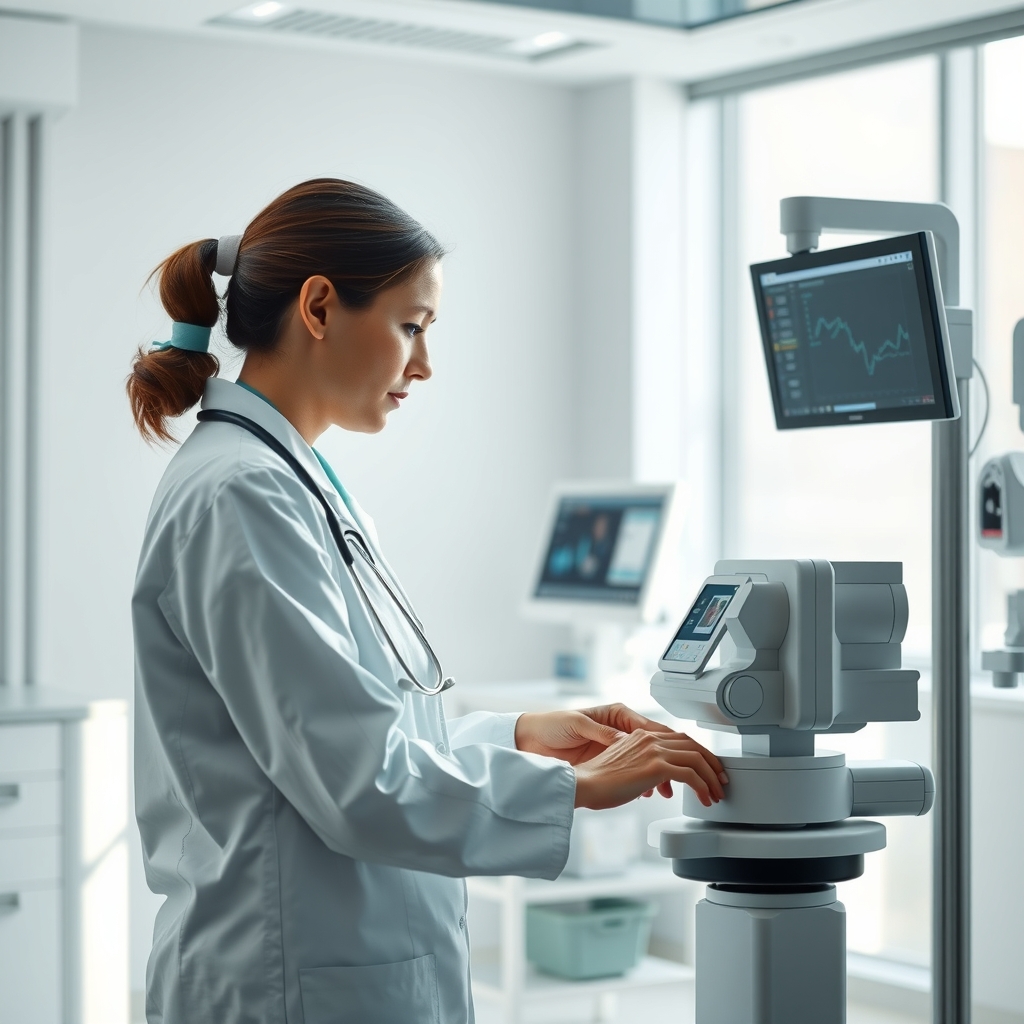
AI Transforms Pediatric ECGs for Earlier Congenital Heart Disease Detection

Quick Answer
A groundbreaking new artificial intelligence (AI) tool is showing promise in revolutionizing the early detection of congenital heart disease (CHD) in children using standard electrocardiograms (ECGs). This innovation aims to identify subtle heart abnormalities sooner, allowing for timely medical interventions and potentially improving long-term health outcomes for countless young patients.
Updated August 20, 2026
Quick Answer: A groundbreaking new artificial intelligence (AI) tool is showing promise in revolutionizing the early detection of congenital heart disease (CHD) in children using standard electrocardiograms (ECGs). This innovation aims to identify subtle heart abnormalities sooner, allowing for timely medical interventions and potentially improving long-term health outcomes for countless young patients.
For parents, the thought of a child having an undiagnosed health issue is a profound source of worry. Congenital heart disease (CHD), a group of conditions present at birth affecting the heart's structure and function, affects nearly 1% of live births annually. While some severe cases are found early, many milder or subtle forms can go undetected for months or even years, often leading to serious complications later in life.
Existing diagnostic methods for CHD can be challenging, ranging from routine physical exams that might miss subtle signs to more invasive or specialized tests like echocardiograms, which require trained sonographers and are not always readily available, especially in rural areas. This diagnostic gap has long meant that some children don't receive the life-changing interventions they need until their condition has progressed. Now, a remarkable new AI-powered system is stepping in to bridge this gap, offering a non-invasive, accessible, and potentially highly accurate way to spot CHD sooner than ever before.
Contents
- The Breakthrough Explained
- Why This Matters for Patients
- What the Experts Are Saying
- What Comes Next
- When to Talk to Your Doctor
The Breakthrough Explained
This innovative breakthrough centers on a new artificial intelligence algorithm designed to analyze pediatric electrocardiograms (ECGs). An ECG is a common, non-invasive test that records the electrical activity of the heart, showing how fast it's beating and if it has a regular rhythm. While human cardiologists interpret ECGs, especially in children, subtle signs of CHD can be incredibly difficult to spot, even for experienced specialists.
The AI model was trained on a massive dataset of pediatric ECGs, including those from children with confirmed CHD and those with healthy hearts. This extensive training allowed the AI to learn intricate patterns and biomarkers – tiny electrical signals – that are often imperceptible to the human eye but are potential signs of structural or functional heart abnormalities. The model can then highlight these patterns, potentially acting as an advanced early warning system.
When a child undergoes a standard ECG, the AI system quickly processes the data, comparing it against its learned knowledge base. It provides a risk score or highlights specific areas of concern, aiming to significantly improve the accuracy and speed of diagnosis. This technology aims not to replace doctors but to provide them with an incredibly powerful tool for enhancing their diagnostic capabilities, much like how other AI tools are advancing early detection of various conditions, from identifying early autism from infant brain scans to predicting lung cancer risk from routine chest X-rays.
Why This Matters for Patients
This breakthrough has the potential to transform pediatric cardiology, offering hope and better health prospects for children and their families worldwide. Early detection of CHD may help prevent a cascade of more serious health issues and potentially improve the overall quality of life.
Adults
While this technology focuses on children, its impact has significant implications for future adult health. Undetected or poorly managed CHD in childhood can lead to severe complications in adulthood, including:
- Heart failure, where the heart can't pump enough blood.
- Arrhythmias, which are irregular heartbeats.
- Pulmonary hypertension, or high blood pressure in the arteries to the lungs.
- Increased risk of stroke or heart attack.
By catching CHD early in life, this AI tool may help ensure children receive timely interventions, potentially preventing these lifelong burdens. Adults currently living with uncorrected CHD may find that this AI technology helps to foster more vigilance in future generations, reducing the number of adults who suffer from late-stage complications of previously undiagnosed conditions.
Older Adults
For older adults, the direct application of this pediatric AI tool is less immediate. However, the ripple effect of improved early diagnosis of CHD could eventually mean that fewer older adults might live with the late-stage consequences of conditions that could have been addressed decades earlier. This also highlights the growing trend of leveraging AI for sophisticated diagnostics, similar to how an AI-powered wearable can detect early neurological signs of stroke at home – technology that could ultimately benefit older populations with chronic conditions.
Children and Teens
This is where the AI breakthrough shines brightest. For children and teens, earlier detection means:
- Timely Intervention: Doctors may be able to plan surgeries, medications, or other treatments sooner, often before the condition becomes more severe or life-threatening.
- Improved Outcomes: Children who receive early care for CHD often have better long-term health, fewer complications, and a higher quality of life.
- Reduced Anxiety: Parents may receive a diagnosis and a treatment plan sooner, alleviating the prolonged stress of an undiagnosed condition.
- Accessibility: As ECGs are relatively inexpensive and widely available, this AI tool could make advanced diagnostic capabilities more accessible in various healthcare settings, from local clinics to remote communities, much like an AI-enabled portable device that brings advanced eye screenings home.
What the Experts Are Saying
Researchers suggest that the system's ability to analyze vast amounts of data quickly and accurately could lead to a substantial reduction in late diagnoses and emergency presentations. While initial findings are promising, continued validation studies are crucial to integrate this technology safely and effectively into standard clinical practice.
What Comes Next
The journey from groundbreaking research to widespread clinical availability often involves several critical steps. Currently, the AI system is undergoing advanced clinical trials in several major pediatric hospitals. These trials are designed to confirm its accuracy and effectiveness in diverse patient populations and real-world settings.
Following successful trials, the developers will pursue regulatory approval from bodies like the U.S. Food and Drug Administration (FDA). This process can take time, involving rigorous review of the data to ensure the technology is safe and performs as intended. If approved, the AI tool could begin to be integrated into standard pediatric healthcare practices within the next 3-5 years, potentially becoming a routine part of childhood health screenings.
When to Talk to Your Doctor
Early detection of any heart condition is crucial. While this AI tool aims to enhance diagnostics, it's important to be aware of potential signs of heart issues in children.
Seek immediate medical attention if your child experiences:
- Bluish tint to the skin, lips, or fingernails (cyanosis).
- Difficulty feeding or poor weight gain in infants.
- Easy tiring or shortness of breath during play in older children.
- Swelling in the legs, ankles, or feet.
If this topic is relevant to a chronic condition you manage, bring this article to your next appointment to discuss whether it changes your care plan.
Sources & Further Reading
Disclaimer: This article is for informational purposes only and does not constitute medical advice. Always consult a qualified healthcare professional.