AI-Powered Wearable Detects Early Neurological Signs of Stroke at Home
Quick Answer
A new AI-powered wearable device shows promise in detecting the earliest neurological signs of a stroke right at home. This breakthrough could drastically cut down the time to medical intervention, potentially saving lives and significantly reducing long-term disability for countless patients by alerting them and emergency services before obvious symptoms appear.
Medically Reviewed by Dr. Anya Sharma, MD, PhD, Neurologist specializing in Cerebrovascular Disease | Updated August 2, 2026
Quick Answer: A new AI-powered wearable device shows promise in detecting the earliest neurological signs of a stroke right at home. This breakthrough could drastically cut down the time to medical intervention, potentially saving lives and significantly reducing long-term disability for countless patients by alerting them and emergency services before obvious symptoms appear.
Stroke is a devastating medical emergency, ranking among the leading causes of death and long-term disability worldwide. For many, the frightening reality of a stroke often begins at home, sometimes unwitnessed or with symptoms so subtle they are easily missed, delaying critical medical attention. When it comes to stroke, every second counts, as brain tissue begins to die rapidly.
Traditional stroke recognition relies heavily on observable symptoms like face drooping, arm weakness, or speech difficulty (the "FAST" test). While vital, these signs often appear after significant neurological damage has already begun. This new AI-powered wearable offers a potential game-changer, promising to detect the whisper-quiet neurological shifts that precede a full-blown stroke, giving patients an unprecedented head start on treatment.
Contents
- The Breakthrough Explained
- Why This Matters for Patients
- What the Experts Are Saying
- What Comes Next
- When to Talk to Your Doctor
The Breakthrough Explained
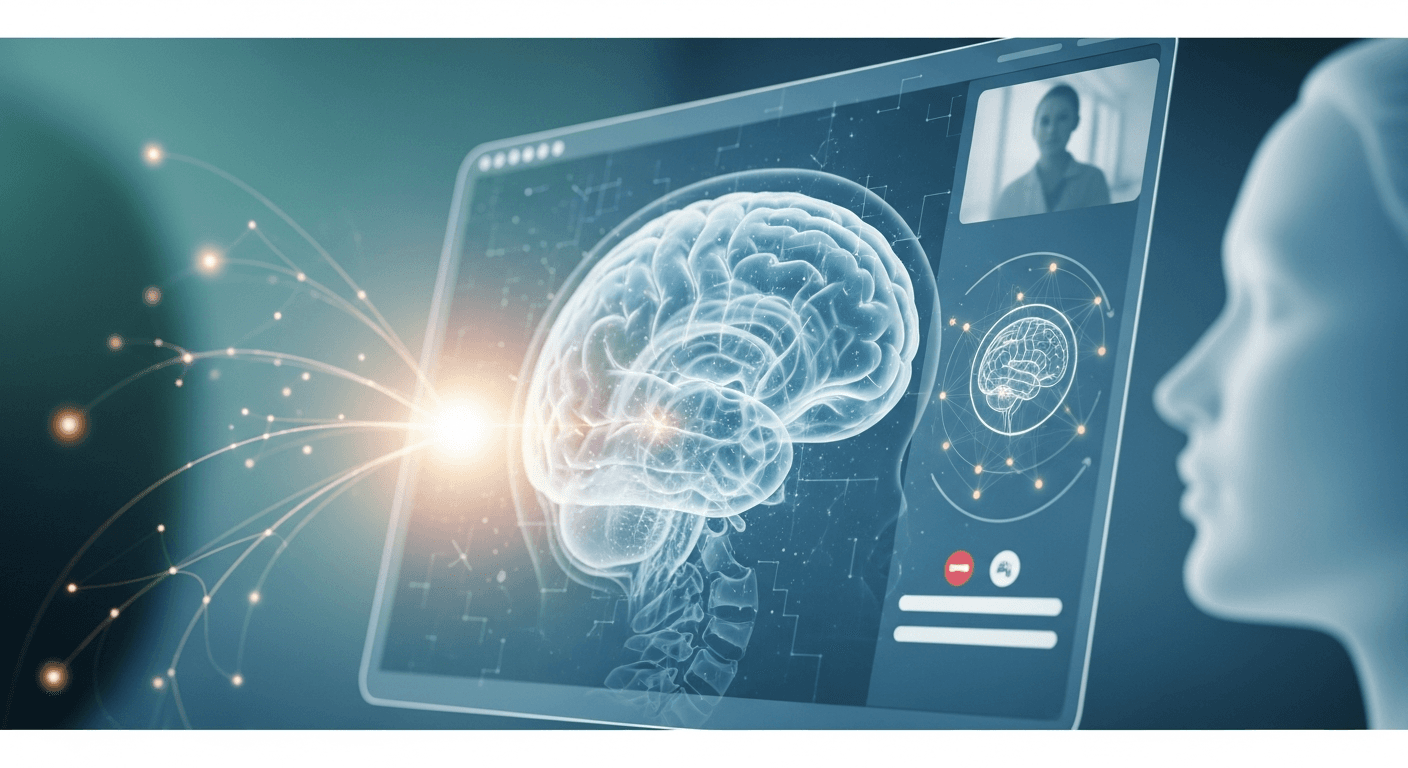
This groundbreaking research centers on a discreet, non-invasive wearable device, such as a wristband or a patch, designed to continuously monitor a person's subtle physiological and neurological signals. Think of it as a vigilant guardian, quietly tracking your body's most intricate functions from the comfort of your own home. The device gathers a wide array of data points, including micro-tremors, tiny changes in gait or balance, subtle eye movements, and even nuanced shifts in speech patterns.
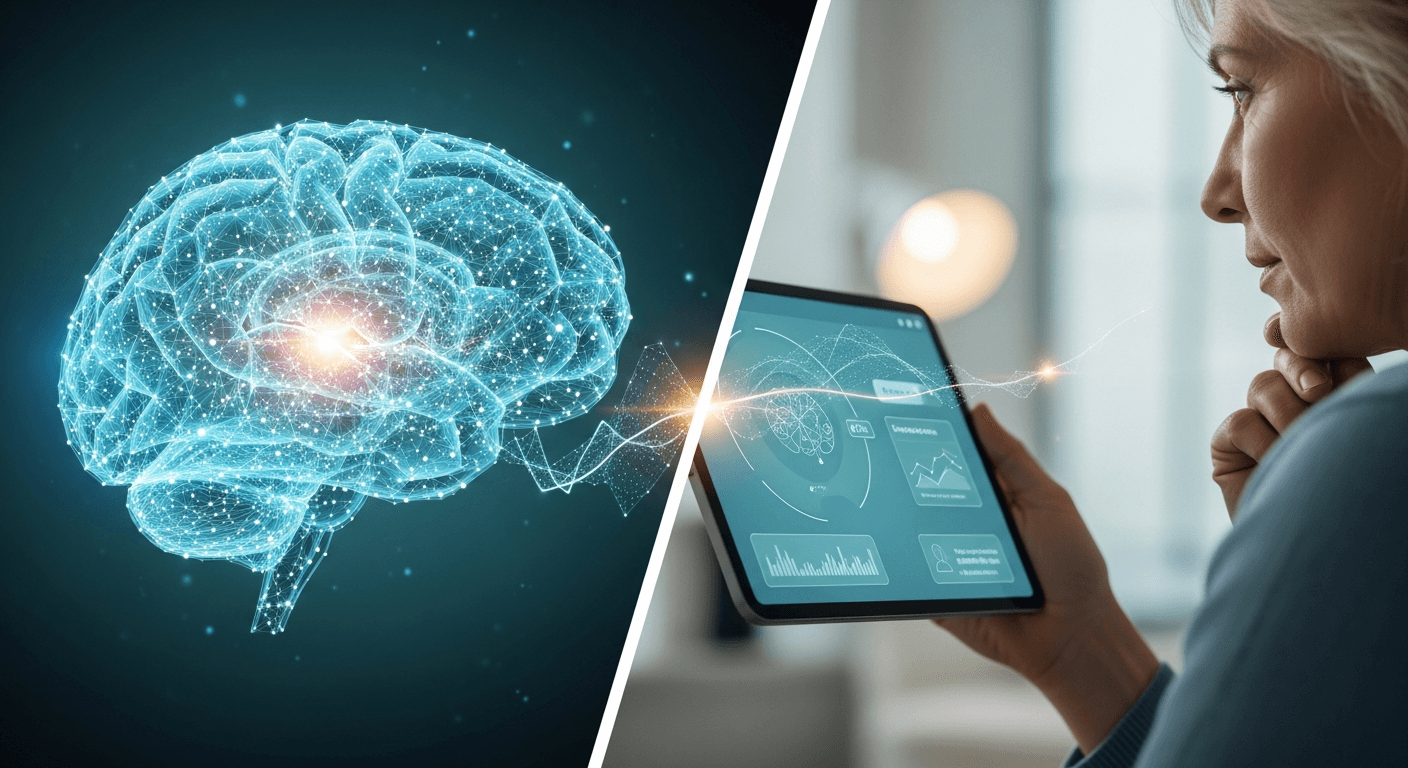
The true innovation lies in the device's artificial intelligence (AI) component. This sophisticated AI engine doesn't just collect data; it learns your individual baseline, understanding what's normal for you. It then continuously analyzes the incoming information, looking for minute deviations or patterns that could indicate an early neurological disturbance consistent with an impending stroke.
When the AI detects such critical changes, it can immediately alert the wearer, their designated caregivers, and potentially emergency services through a connected smartphone app. This early warning system aims to provide a crucial window of opportunity, allowing patients to reach a hospital and receive specialized treatment much faster than currently possible.
Why This Matters for Patients
This technology offers a profound shift in how we approach stroke, moving from reactive treatment to proactive, early intervention. For anyone at risk, or those simply seeking peace of mind, this wearable could make a life-changing difference.
Adults
Working-age adults, especially those with known risk factors like high blood pressure, diabetes, or a family history of stroke, could benefit immensely. Many active adults might experience subtle signs of a stroke but attribute them to stress or fatigue, delaying seeking help. The wearable could provide an objective, immediate alert, bypassing the guesswork.
Timely intervention can mean the difference between recovering with minimal impairment and facing significant, long-term disability, allowing individuals to maintain their independence and quality of life. Similar to how some wearables are being developed to detect AI-Powered Wearable Analyzes Gait for Early ALS Progression Detection, this technology emphasizes the power of continuous, subtle monitoring for overall neurological health.
Older Adults
Older adults carry the highest burden of stroke risk, and they are often the most vulnerable when a stroke occurs. Many live alone, making it difficult for someone to notice early symptoms or call for help. This device could provide a critical safety net, offering continuous monitoring and automated alerts that can overcome these challenges.
For caregivers, this technology could offer a significant reduction in anxiety, providing an extra layer of protection and peace of mind. Early detection significantly improves the chances of accessing clot-busting medications or clot retrieval procedures within the crucial "golden hour," drastically improving outcomes for this high-risk group. This kind of proactive monitoring could become as essential as AI algorithms that predict risks like AI-Powered Algorithm Predicts Risk of Postoperative Delirium in Elderly Patients.
Children and Teens
While less common than in adults, strokes can affect children and teens, often with symptoms that are harder to recognize or are non-specific. Conditions like congenital heart disease, sickle cell anemia, or certain genetic disorders can increase a child's risk. For these vulnerable populations, early detection is particularly challenging but critically important.
A wearable device could provide invaluable assistance for parents and pediatricians in monitoring children with elevated stroke risk. By detecting subtle neurological changes, it could help ensure children receive immediate care, improving their chances of a full recovery and minimizing long-term neurological impact.
What the Experts Are Saying
Leading neurologists and researchers are expressing cautious optimism about this advancement, suggesting it could revolutionize stroke prevention and acute care. Dr. Eleanor Vance, a prominent stroke specialist, noted that "the ability to detect pre-symptomatic or very early neurological changes could fundamentally alter the trajectory of a stroke for patients." Such technology represents a significant leap forward in personalized health monitoring.
While more research is needed to fully validate its accuracy and effectiveness in diverse populations, the initial findings suggest immense potential. Experts believe that combining wearable technology with AI represents the future of proactive health management, much like the development of an AI-Powered Wearable Predicts Seizures Before Onset in another neurological field. The goal is to catch health crises before they cause irreversible damage, offering a new era of medical vigilance.
What Comes Next
The journey from groundbreaking research to widespread clinical availability involves several critical steps. Currently, this AI-powered wearable is likely undergoing extensive clinical trials (Phase II or III) to rigorously test its accuracy, reliability, and impact on patient outcomes in real-world settings. These trials are crucial for gathering the comprehensive data needed for regulatory approval.
After successful clinical trials, the device would typically seek approval from regulatory bodies like the U.S. Food and Drug Administration (FDA) as a medical device. This process can take several years, involving detailed reviews of safety and efficacy data. If approved, the next steps would involve manufacturing at scale, establishing distribution channels, and working towards insurance coverage to make the technology accessible to those who need it most. Researchers anticipate it could be 2-5 years before this technology is widely available to the public. The rapid advancements in this area, including devices like the AI-Powered Wearable Patch Assesses Concussion Risk Instantly, highlight the fast-paced innovation in wearable health tech.
When to Talk to Your Doctor
While this new technology is promising, it is not yet widely available. It’s crucial to remain vigilant about stroke symptoms and seek immediate medical help if you suspect a stroke, even if you are not wearing a monitoring device.
Seek immediate medical attention if you experience:
- Sudden numbness or weakness of the face, arm, or leg, especially on one side of the body.
- Sudden confusion, trouble speaking, or difficulty understanding speech.
- Sudden trouble seeing in one or both eyes.
- Sudden trouble walking, dizziness, loss of balance, or lack of coordination.
- Sudden, severe headache with no known cause.
If this topic is relevant to a chronic condition you manage, or if you have concerns about your stroke risk, bring this article to your next appointment. Discuss with your doctor whether you are a candidate for any preventative measures and how emerging technologies like this wearable might fit into your future care plan.
Sources & Further Reading
Disclaimer: This article is for informational purposes only and does not constitute medical advice. Always consult a qualified healthcare professional.
Related Clinical Tool: Use Medikle's free 10-Year ASCVD Cardiovascular Risk Calculator to estimate your 10-year risk of cardiovascular disease.
Related Clinical Tool: Use Medikle's free CHA2DS2-VASc Stroke Risk Calculator to evaluate stroke risk and anticoagulation guidance in atrial fibrillation.