AI-Powered Wearable Predicts Seizures Before Onset
Quick Answer
A revolutionary AI-powered wearable device aims to predict epileptic seizures minutes to hours before they occur, offering unprecedented warning for patients. This breakthrough promises to significantly improve safety, independence, and quality of life for millions living with epilepsy by allowing proactive measures.
Medically Reviewed by Dr. Anya Sharma, MD, PhD, Neurologist specializing in Epilepsy | Updated June 26, 2026
Quick Answer: A revolutionary AI-powered wearable device aims to predict epileptic seizures minutes to hours before they occur, offering unprecedented warning for patients. This breakthrough promises to significantly improve safety, independence, and quality of life for millions living with epilepsy by allowing proactive measures.
Living with epilepsy often means navigating life with an invisible threat looming. The unpredictability of seizures can profoundly impact daily routines, from driving and working to simply feeling safe at home. This constant uncertainty often leads to anxiety, fear of injury, and a significant reduction in independence for individuals and their families.
While current treatments like medication and surgery are vital for managing seizures, they primarily focus on reducing frequency or severity, not on predicting an imminent event. Patients often have little to no warning before a seizure strikes, leaving them vulnerable and unable to prepare. This lack of foresight has been a major unmet need in epilepsy care for decades.
Now, a groundbreaking AI-powered wearable technology is emerging as a potential solution, offering the promise of advanced seizure prediction. This innovative device aims to provide timely warnings, empowering patients to take control, enhance their safety, and regain a sense of normalcy in their lives.
Contents
- The Breakthrough Explained
- Why This Matters for Patients
- What the Experts Are Saying
- What Comes Next
- When to Talk to Your Doctor
The Breakthrough Explained
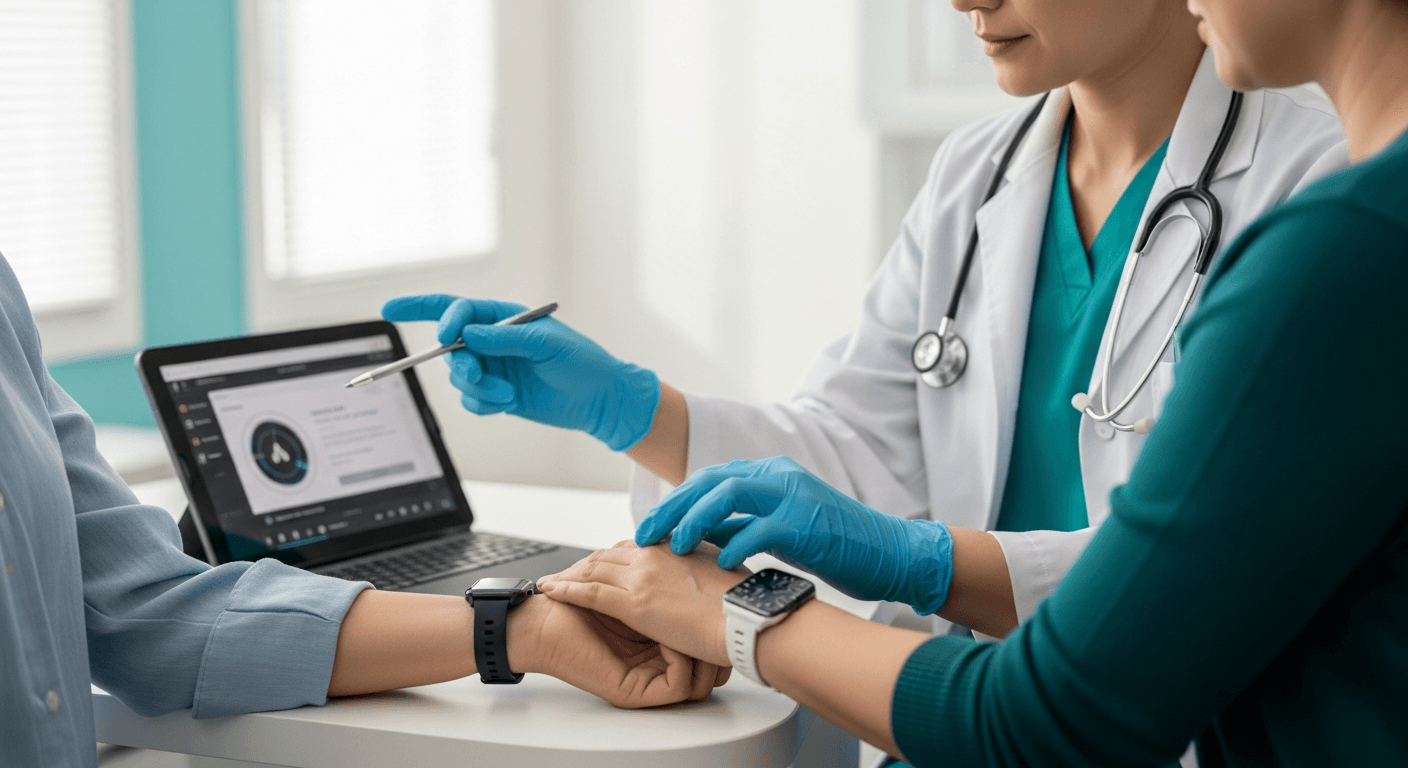
The new AI-powered wearable is a small, discreet device, often worn on the wrist or as a patch, designed to continuously monitor a user's unique physiological signals. Unlike previous devices that only detected seizures after they started, this technology uses advanced artificial intelligence to analyze subtle changes in the body that may precede a seizure event.
The embedded AI algorithm is designed to learn the individual's unique pre-seizure patterns, often called the "prodromal phase," which can occur anywhere from minutes to several hours before a seizure fully manifests.
When the algorithm detects these specific patterns, it sends a personalized alert to the user's smartphone or directly vibrates on the device. This early warning could give individuals and their caregivers precious time to move to a safe location, take rescue medication, or alert others, significantly reducing the risk of injury and emotional distress. This innovative use of AI in personal health monitoring is part of a larger trend, much like AI-powered remote monitoring systems predicting and managing heart failure exacerbations at home.
Why This Matters for Patients
This predictive wearable technology could revolutionize life for many people living with epilepsy, offering a new level of control and peace of mind. The ability to anticipate a seizure opens doors to greater independence and safety across all age groups.
Adults
For working-age adults, the fear of an unpredictable seizure can restrict career choices, social activities, and personal freedoms like driving. A warning system could mean the difference between maintaining a job and facing unemployment, or confidently participating in social events versus isolating oneself. Knowing a seizure might be coming allows individuals to pull over if driving, discreetly excuse themselves from a meeting, or simply find a safe, private space.
This technology empowers adults to live more independently, reducing the constant anxiety that often accompanies epilepsy. It could also help improve overall mental well-being by giving a sense of control over a previously uncontrollable condition. The concept of wearables improving health insights is not new; similar devices are also helping to detect early signs of dehydration.
Older Adults
Older adults, who may carry a higher burden of co-existing health conditions, often face increased risks from seizures, including falls, fractures, and prolonged recovery times. A predictive wearable could offer critical protection in this demographic. It allows caregivers to be proactive, moving their loved ones to a safe environment or ensuring they are not alone when a seizure is anticipated.
This technology could significantly reduce hospitalizations due to seizure-related injuries and improve the overall quality of life for older adults with epilepsy. It also offers peace of mind for their families and care providers, easing the constant vigilance often required.
Children and Teens
For children and teens, epilepsy can profoundly affect their schooling, social development, and overall confidence. An early warning system could enable a child to alert a teacher or parent, ensuring they are not alone or in a vulnerable situation during a seizure at school, during playtime, or while participating in sports.
This technology can reduce parental anxiety, allowing children to engage more fully in age-appropriate activities with greater safety. It also helps foster independence in teenagers, empowering them to manage their condition more actively and confidently navigate social situations. The principle of early detection is also being explored in other critical areas, such as an AI-powered system that predicts sepsis risk in newborns with 95% accuracy.
What the Experts Are Saying
Experts in neurology and AI are expressing cautious optimism about the potential of these predictive wearables. Researchers suggest that such technology could be a transformative step in epilepsy management, moving beyond reactive treatment to proactive prevention. The ability to provide an individualized prediction window for each patient is considered a major leap forward.
Clinicians highlight that while these devices may not eliminate seizures, they could significantly enhance safety and quality of life by empowering patients with foreknowledge. Research suggests that even a short warning period may dramatically reduce the risk of injury and psychological distress. This innovation builds upon the growing field of AI-powered wearables, including devices that analyze sweat to detect the onset of cystic fibrosis exacerbations.
What Comes Next
The journey from breakthrough research to widespread clinical availability often involves rigorous testing and regulatory approval. These AI-powered seizure prediction wearables are currently undergoing advanced clinical trials, typically in Phase II or Phase III, to confirm their accuracy, reliability, and safety across diverse patient populations.
Following successful trial completion, the technology would then seek approval from regulatory bodies like the FDA in the United States. While a precise timeline is difficult to predict, experts anticipate that the first such devices could be available to the public within the next 3 to 5 years. There will also be a focus on ensuring these devices integrate seamlessly with existing healthcare systems and are covered by insurance.
When to Talk to Your Doctor
Seek immediate medical attention if you experience:
- A seizure lasting longer than 5 minutes.
- Cluster seizures (multiple seizures without full recovery in between).
- A new type of seizure or a significant change in your seizure pattern.
- Injury during a seizure, such as a severe fall or head trauma.
If this topic is relevant to a chronic condition you manage, bring this article to your next appointment to discuss whether it changes your care plan.
Sources & Further Reading
Disclaimer: This article is for informational purposes only and does not constitute medical advice. Always consult a qualified healthcare professional.