AI-Enabled Portable Device Brings Advanced Eye Screenings Home
Quick Answer
A new AI-enabled portable device is making advanced eye screenings available from the comfort of your home. This breakthrough promises to improve early detection of serious eye conditions, like diabetic retinopathy and glaucoma, potentially preventing significant vision loss and making specialized eye care more accessible to everyone, regardless of location or mobility.
Updated July 26, 2026
Quick Answer: A new AI-enabled portable device is making advanced eye screenings available from the comfort of your home. This breakthrough promises to improve early detection of serious eye conditions, like diabetic retinopathy and glaucoma, potentially preventing significant vision loss and making specialized eye care more accessible to everyone, regardless of location or mobility.
Losing your vision is a deeply personal fear for many, and the thought of developing a serious eye condition can be daunting. What's often even more frustrating is that many debilitating eye diseases, such as glaucoma or diabetic retinopathy, progress silently, showing no noticeable symptoms until significant and sometimes irreversible damage has already occurred. This silent progression means that by the time you notice changes in your vision, it might be too late to fully restore it.
For years, the gold standard for detecting these conditions has been regular, in-person eye exams involving specialized and often bulky equipment. However, getting to these appointments can be a challenge for many, especially those living in rural areas, individuals with mobility issues, or busy working adults. These barriers often lead to missed screenings and delayed diagnoses, leaving too many people vulnerable to preventable vision loss. Now, groundbreaking research is poised to change this landscape, offering a beacon of hope with an innovative solution.
Contents
- The Breakthrough Explained
- Why This Matters for Patients
- What the Experts Are Saying
- What Comes Next
- When to Talk to Your Doctor
The Breakthrough Explained
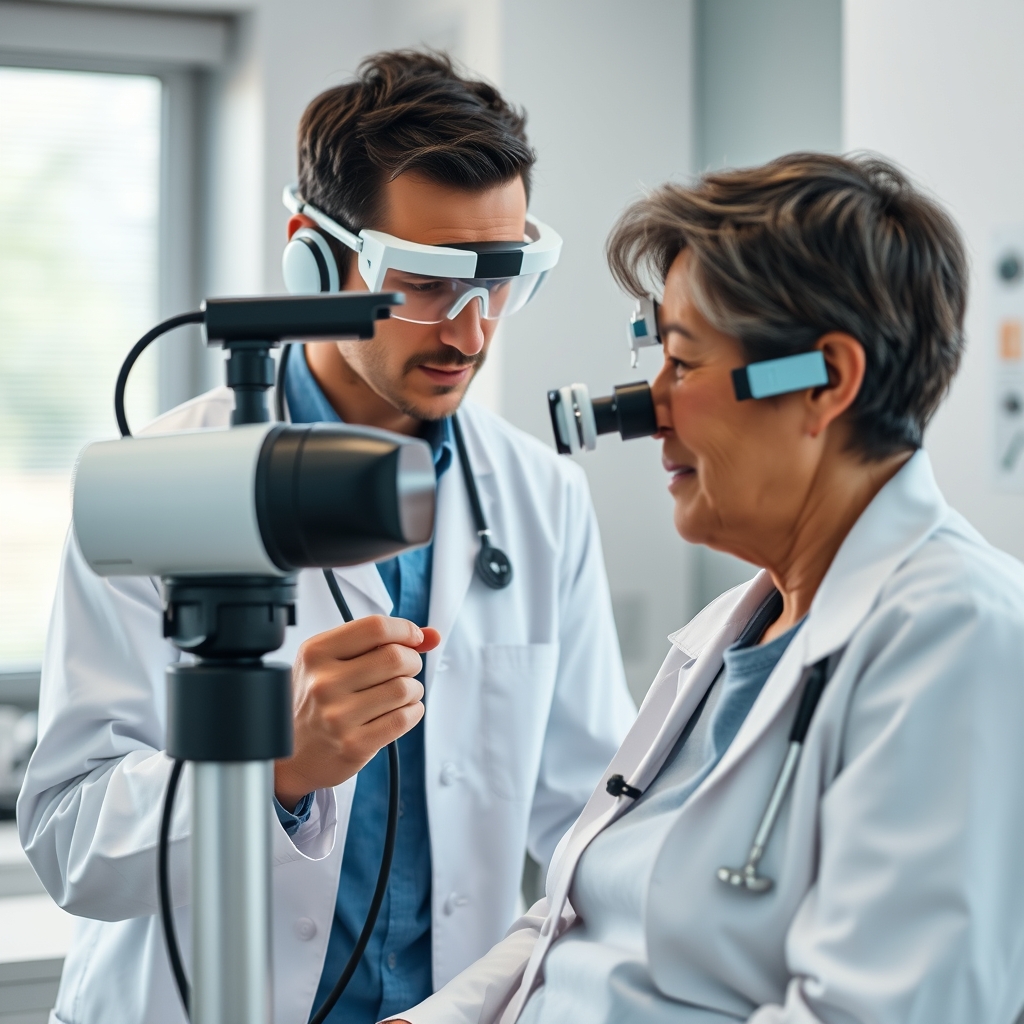
A revolutionary new device, dubbed "ClarityScan," is an AI-enabled portable screening tool designed to bring advanced eye examinations right into your home. This compact, handheld device allows individuals to capture high-resolution images of their retina – the light-sensitive tissue at the back of the eye – with ease. This technology uses sophisticated artificial intelligence to analyze these images for early signs of common and severe eye conditions.
The device works by guiding the user through a simple process to capture images, much like taking a photo with a smartphone. Once the images are captured, the built-in AI algorithms swiftly analyze them for subtle changes that might indicate diseases like diabetic retinopathy, a complication of diabetes that damages blood vessels in the retina; glaucoma, a group of diseases that can damage the optic nerve; and age-related macular degeneration (AMD), which affects central vision. The AI then securely transmits these findings to your ophthalmologist or eye care specialist for review.
This innovation represents a significant leap forward by combining user-friendliness with powerful diagnostic capabilities. It leverages the same principles seen in other remote health monitoring systems, like the AI-Powered Remote Monitoring System Predicts and Manages Heart Failure Exacerbations at Home, extending the reach of specialized care beyond traditional clinic walls. The goal is to catch problems earlier, when treatments are most effective, rather than waiting for symptoms to manifest.
Why This Matters for Patients
This portable, AI-driven eye screening device could fundamentally change how we manage eye health, offering benefits across various age groups.
Adults
For working-age adults, busy schedules often make it difficult to prioritize regular health appointments, including eye exams. The convenience of an at-home screening can eliminate barriers like travel time, taking time off work, or finding childcare. This means more adults could regularly monitor their eye health, leading to earlier detection of conditions that might otherwise go unnoticed until they impact daily life or work performance. For example, early signs of diabetic retinopathy in a person with type 2 diabetes could be identified and managed before it causes significant vision impairment.
Older Adults
Older adults carry the highest burden of age-related eye diseases, including glaucoma, cataracts, and macular degeneration. Mobility challenges, transportation difficulties, and chronic health conditions can make frequent clinic visits arduous, if not impossible. The ClarityScan device offers a lifeline, allowing these individuals to receive advanced screenings without leaving their homes. This increased access could dramatically improve early diagnosis rates for conditions that commonly lead to severe vision loss in this population, potentially preserving their independence and quality of life for longer.
Children and Teens
While less common, children and teens can also develop serious eye conditions or have inherited predispositions. For pediatric patients with chronic conditions like juvenile diabetes, regular retinal screenings are crucial. This device could provide a less intimidating and more comfortable screening experience for children, especially those who find traditional clinical settings stressful. It may also expand access to specialized eye care in underserved pediatric populations, ensuring early detection of conditions like amblyopia (lazy eye) or inherited retinal diseases that might otherwise go undiagnosed.
What the Experts Are Saying
Many clinicians emphasize that while highly promising, these devices are designed to supplement, not replace, comprehensive eye exams by a qualified professional. Research suggests that while AI is excellent at pattern recognition for specific conditions, a human touch remains essential for a holistic assessment of eye health. Experts believe that integrating these remote screening tools into existing healthcare workflows could empower patients and free up clinical resources for more complex cases, ultimately enhancing overall patient outcomes.
What Comes Next
The journey from breakthrough research to widespread clinical availability often involves several stages. The ClarityScan device is currently in advanced clinical trials, rigorously testing its accuracy and reliability across diverse patient populations. If these trials continue to yield positive results, the next major hurdle will be securing regulatory approval from bodies like the FDA, which ensures the device is both safe and effective for public use.
Following regulatory clearance, the focus will shift to manufacturing, distribution, and integration into healthcare systems. This includes training for patients on how to use the device, and for healthcare providers on how to interpret and act on the AI-generated reports. While a precise timeline is difficult to predict, experts anticipate that such devices could become more widely available within the next two to three years, potentially revolutionizing routine eye care.
When to Talk to Your Doctor
While new technologies promise improved access, it's crucial to remember that personal medical advice comes from your doctor.
Seek immediate medical attention if you experience:
- Sudden loss of vision in one or both eyes
- Severe eye pain that does not go away
- Flashing lights, new floaters (specks or cobwebs in your vision), or a "curtain" coming down over your vision
- Double vision or new distorted vision
If this topic is relevant to a chronic condition you manage, such as diabetes or hypertension, or if you have a family history of eye disease, bring this article to your next appointment. Discuss with your doctor whether remote eye screenings or other new technologies might change your current care plan or monitoring strategy for your eye health. You can also discuss concerns like Why Your Eyes Feel Dry and Gritty: Understanding Causes and Finding Relief or other general eye health questions.
Sources & Further Reading
Disclaimer: This article is for informational purposes only and does not constitute medical advice. Always consult a qualified healthcare professional.