New Robotic Haptic System Empowers Expert-Level Remote Ultrasound Exams

Quick Answer
A revolutionary robotic system now allows expert ultrasound specialists to perform highly precise exams remotely, overcoming geographical barriers. This breakthrough uses haptic (touch) feedback, enabling doctors to "feel" tissues from afar, potentially leading to quicker diagnoses and improved care access for patients everywhere.
Medically Reviewed by Dr. Anya Sharma, MD, PhD, Diagnostic Radiologist & Telemedicine Specialist | Updated October 2, 2026
Quick Answer: A revolutionary robotic system now allows expert ultrasound specialists to perform highly precise exams remotely, overcoming geographical barriers. This breakthrough uses haptic (touch) feedback, enabling doctors to "feel" tissues from afar, potentially leading to quicker diagnoses and improved care access for patients everywhere.
Imagine needing a specialized ultrasound, but the nearest expert is hundreds of miles away, or perhaps you're homebound and struggle to travel. For too long, accessing top-tier diagnostic imaging, especially for complex cases, has depended heavily on location and physical mobility. This often leads to delays in diagnosis and treatment, or forces patients to endure stressful and costly travel.
Traditional remote ultrasound solutions have faced limitations. While video conferencing can connect doctors and patients, the crucial tactile feedback—the ability for a sonographer to feel the patient’s body, apply precise pressure, and navigate organs—has been missing. This "sense of touch" is vital for accurate imaging, leaving a gap in telehealth capabilities for this essential diagnostic tool.
Now, a groundbreaking robotic haptic system is poised to bridge this gap, bringing the expertise of a specialist directly to the patient, no matter where they are. This innovative technology allows doctors to "feel" what the robot's ultrasound probe is doing, enabling them to perform exams with expert precision from a distance. It holds the promise to transform how we access high-quality diagnostic care, offering a powerful solution to long-standing challenges in healthcare access.
Contents
- The Breakthrough Explained
- Why This Matters for Patients
- [What the Experts Are Saying](#what the-experts-are-saying)
- What Comes Next
- When to Talk to Your Doctor
The Breakthrough Explained
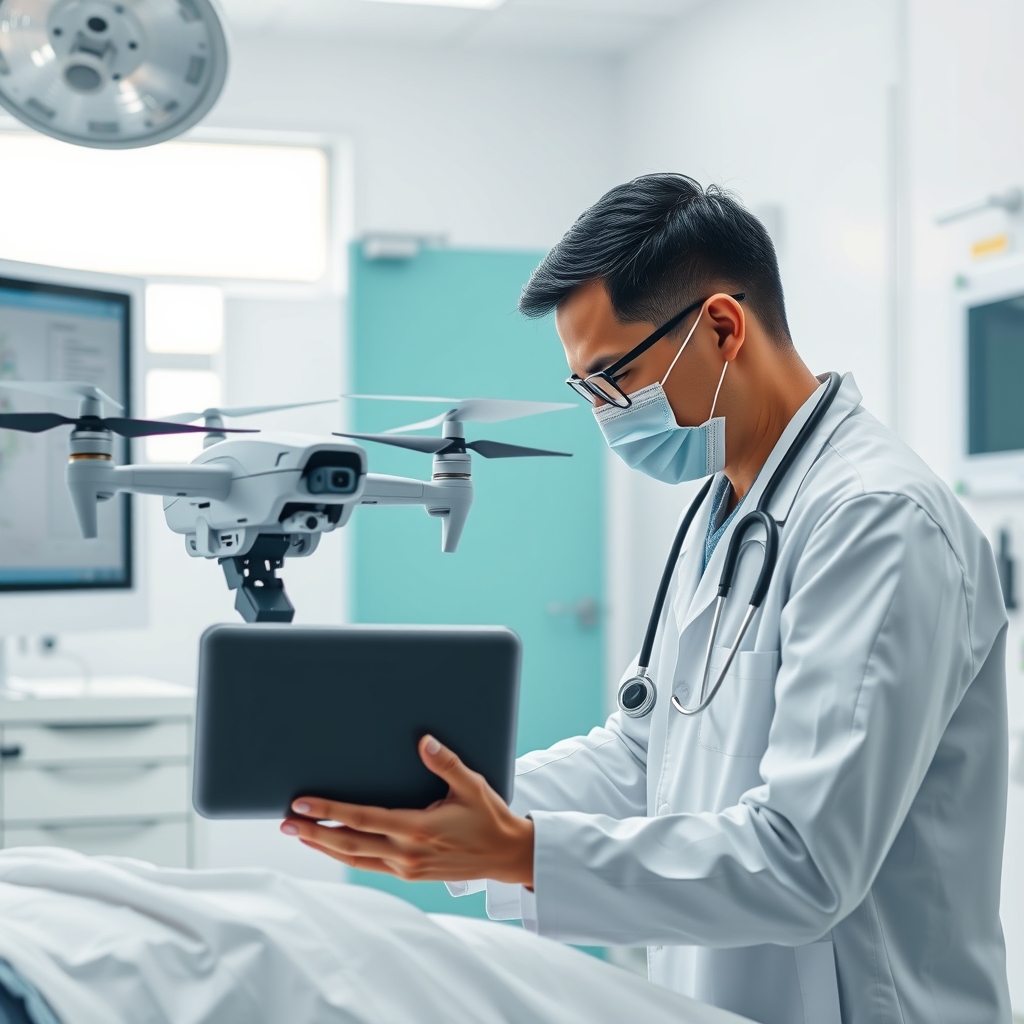
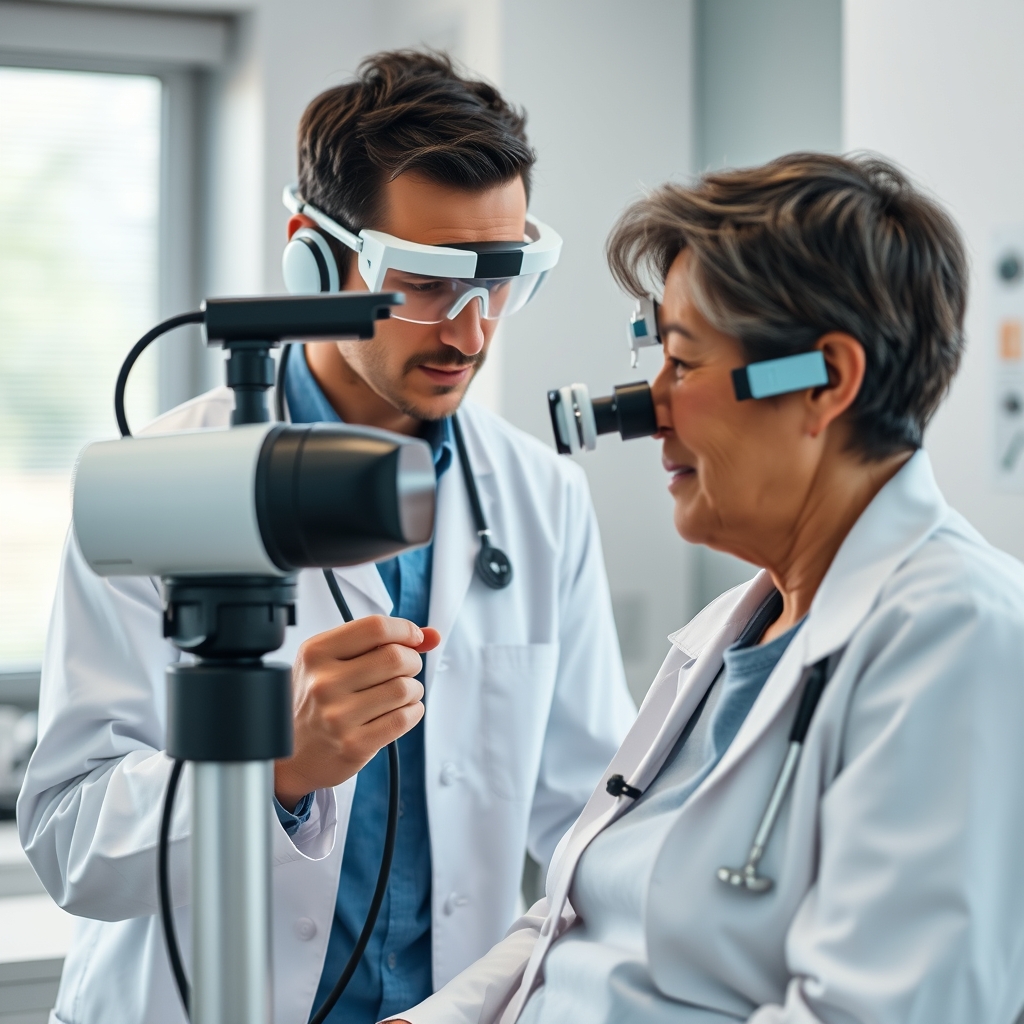
The core of this new advancement lies in a sophisticated robotic system designed to mimic the human touch. It consists of two main parts: a robotic arm equipped with an ultrasound probe, positioned with the patient, and a control station where the expert physician operates remotely. The magic happens through haptic technology, which translates sensations from the robotic arm back to the doctor’s hands.
When the remote specialist moves their controller, the robotic arm at the patient's location moves in perfect sync, guiding the ultrasound probe across the skin. Crucially, as the robot encounters different tissues or applies pressure, the expert feels that same resistance and texture through their own controller. This "feeling" allows for extremely precise manipulation of the probe, essential for capturing clear, diagnostic-quality images.
This level of detailed, tactile feedback is a game-changer for remote diagnostic imaging. It could mean a specialist may be able to accurately identify structures, measure blood flow, and assess tissue abnormalities with a precision previously only possible in person. This innovation builds on the expanding capabilities of remote diagnostic procedures, much like how New Autonomous Robot Redefines Remote Blood Collection for Telehealth is changing blood draws.
Why This Matters for Patients
This new robotic haptic system has the potential to dramatically improve healthcare access and outcomes for a wide range of patients. It means that high-quality, expert-level ultrasound care can reach individuals who might otherwise face significant barriers. This could be a crucial step forward in making specialized medical care more equitable.
Adults
For working-age adults, this technology could offer unparalleled convenience and reduced disruption to daily life. Imagine getting a specialized ultrasound without having to take a full day off work for travel, especially if the expert is located in another city or state. This could significantly reduce stress and financial burden associated with extensive travel for medical appointments.
It also means that individuals living in rural or underserved areas, where specialists are scarce, can now access top-tier diagnostic services closer to home. Faster access to expert diagnosis could potentially lead to earlier treatment and better health outcomes for various conditions. The precision offered by this haptic system could also enhance other ultrasound applications, such as improving the non-invasive delivery methods for advanced therapies, much like Ultrasound Unlocks Non-Invasive Gene Therapy Delivery to the Brain.
Older Adults
Older adults, who often manage multiple chronic conditions and may have limited mobility, could stand to benefit immensely. Traveling to medical facilities can be particularly challenging, uncomfortable, and even risky for this demographic. This robotic system could allow them to receive expert care in more comfortable and accessible settings, such as local clinics, assisted living facilities, or even their own homes.
Reduced travel could also help minimize exposure to infectious diseases, a significant concern for immune-compromised older adults. By bringing the specialist to the patient remotely, this technology could help ensure that critical diagnostic ultrasounds, which are often essential for monitoring heart health, vascular conditions, and organ function, are more readily available. This reflects a broader trend in healthcare towards remote monitoring and advanced robotics, similar to the precision seen in AI-Enhanced Robotics Achieves New Precision in Heart Bypass Surgery.
Children and Teens
Ultrasound is a crucial diagnostic tool in pediatrics, used for everything from assessing fetal development to diagnosing conditions in newborns and older children. For children and teens, this remote system could reduce anxiety associated with travel to large, unfamiliar medical centers. It might also allow pediatric specialists from major children's hospitals to consult on cases in smaller, local facilities.
The ability for a highly specialized pediatric sonographer to perform an exam remotely could also mean quicker diagnosis of complex conditions, ensuring children receive the most appropriate care without unnecessary delays. This innovation, alongside advancements like AI-Powered Remote Monitoring Transforms Orthodontic Care, underscores a future where specialized care is more accessible for younger patients.
What the Experts Are Saying
Researchers and clinicians are expressing cautious optimism about the potential of this haptic robotic ultrasound system. Many suggest it could be a transformative tool for healthcare equity, especially in bridging the gap between urban centers and rural communities. Early studies suggest that remote exams performed with the haptic system may achieve diagnostic quality comparable to in-person evaluations.
Experts highlight that the immersive haptic feedback is critical, as it is designed to allow sonographers to truly "feel" subtle differences in tissue, which is often essential for accurate diagnoses. While acknowledging that widespread adoption will require further validation and regulatory approvals, there is significant excitement about its capacity to extend the reach of highly specialized medical imaging services.
What Comes Next
While the initial results are highly promising, this robotic haptic system is currently undergoing further clinical validation. Researchers are conducting larger trials to assess its effectiveness across a broader range of medical conditions and patient populations. These trials will help gather more data on its accuracy, safety, and user-friendliness for both operators and patients.
Following successful clinical trials, the system will need to navigate regulatory pathways, such as approval by the U.S. Food and Drug Administration (FDA) or similar bodies internationally. This process can take time, but if approved, it could begin to be integrated into specialized clinics and hospitals within the next few years. Initial deployment may focus on facilities serving remote populations or those with limited access to specialists, gradually expanding as the technology becomes more widely available and affordable.
When to Talk to Your Doctor
This article discusses an emerging technology. It's important to remember that this robotic haptic system is not yet widely available for clinical use.
Seek immediate medical attention if you experience:
- Sudden, severe pain anywhere in your body
- Unexplained bleeding or bruising
- Significant changes in a chronic symptom or new, concerning symptoms
If this topic is relevant to a chronic condition you manage, bring this article to your next appointment to discuss whether it changes your care plan. Your doctor can provide the most current information and guidance based on your individual health needs.
Sources & Further Reading
Disclaimer: This article is for informational purposes only and does not constitute medical advice. Always consult a qualified healthcare professional.