AI-Powered Drones Revolutionize Remote Medical Supply Delivery
Quick Answer
AI-powered drones are transforming how vital medical supplies, like vaccines and emergency medication, reach remote and underserved communities. This innovation could promise faster, more reliable delivery, overcoming geographical barriers and potentially saving lives by ensuring access to critical care exactly where and when it's needed most.
Updated August 30, 2026
Quick Answer: AI-powered drones are transforming how vital medical supplies, like vaccines and emergency medication, reach remote and underserved communities. This innovation could promise faster, more reliable delivery, overcoming geographical barriers and potentially saving lives by ensuring access to critical care exactly where and when it's needed most.
Imagine a world where life-saving medicine can reach anyone, anywhere, regardless of how isolated their community might be. For too long, geographical barriers, lack of infrastructure, and challenging terrain have made it incredibly difficult to deliver essential medical supplies to remote populations, leading to preventable suffering and even death. This critical problem affects millions, from isolated rural villages to areas impacted by natural disasters.
Current delivery methods often fall short. They are frequently slow, expensive, and sometimes impossible, relying on roads that may not exist or become impassable. This leaves countless individuals without timely access to vaccines, chronic disease medications, or emergency treatments, creating significant health disparities. But now, a groundbreaking solution is emerging, which could revolutionize global health logistics.
Contents
- The Breakthrough Explained
- Why This Matters for Patients
- What the Experts Are Saying
- What Comes Next
- When to Talk to Your Doctor
The Breakthrough Explained
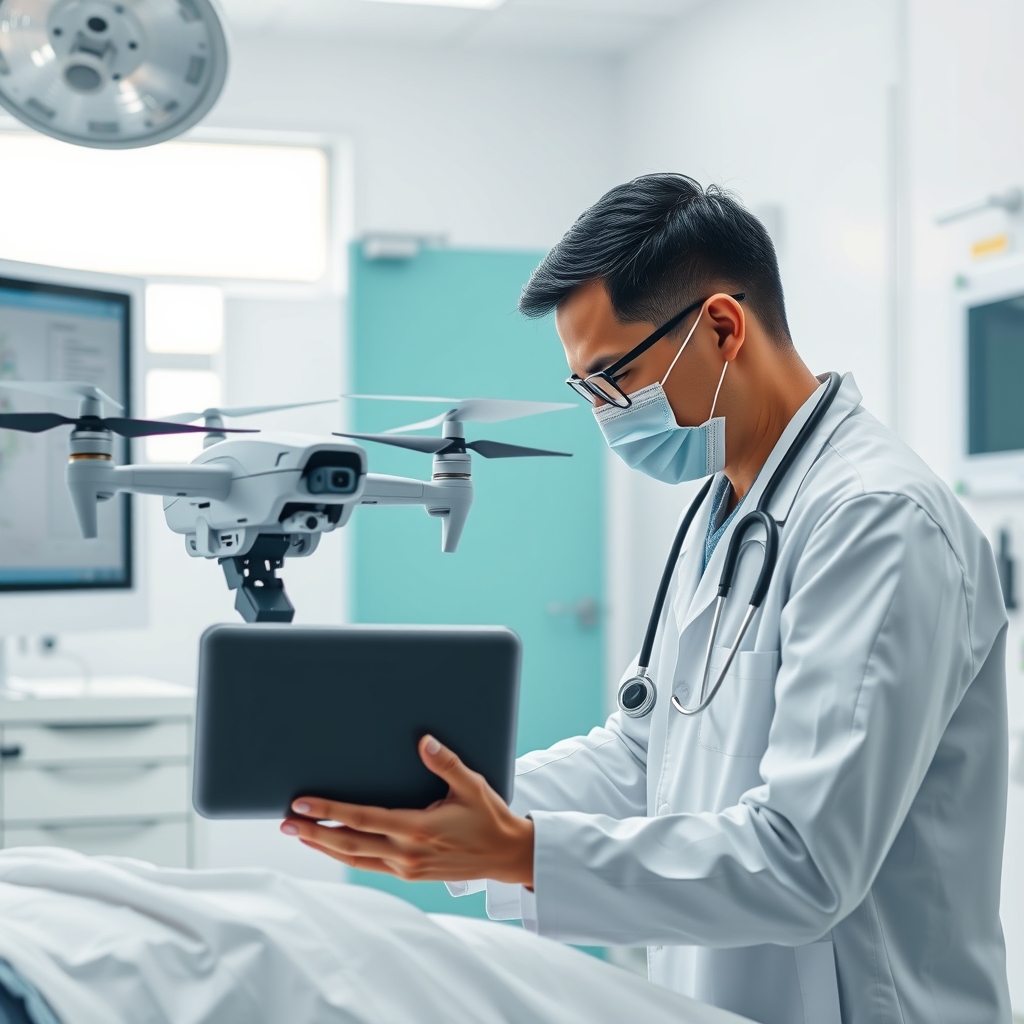
A new wave of innovation is harnessing the power of artificial intelligence (AI) to create highly efficient and autonomous drone delivery systems for medical supplies. These aren't just remote-controlled toys; they are sophisticated flying robots designed to navigate complex environments, optimize routes, and help ensure the safe delivery of critical cargo.
At their core, these drones use advanced AI algorithms for several vital functions. This includes precise navigation even without GPS signals, real-time obstacle avoidance, and dynamic route planning that considers weather conditions and terrain. Some systems also integrate with health platforms, similar to how Medikle, the AI-powered medication companion and clinical health suite, helps manage personal health data, allowing for coordinated and responsive supply chains.
These AI-powered drones can carry a wide variety of medical items, ranging from vaccines that need to be kept at specific temperatures to blood samples for diagnostics, anti-venom for snakebites, or essential medications. They are built to cover long distances quickly, flying over mountains, rivers, and dense forests that would be impassable for traditional vehicles. This technological leap can allow for faster response times in emergencies and more consistent access to routine care.
Why This Matters for Patients
The implications of this technology for patients are profound, with the potential to bridge gaps in healthcare access for various demographics.
Adults
For working-age adults in remote areas, AI-powered drone delivery could mean no longer having to travel long distances, often at significant personal cost, to collect essential medications. This includes treatments for chronic conditions like diabetes or high blood pressure, as well as urgent necessities such as antibiotics or life-saving anti-venom. This could reduce the burden of travel, saving time and money, and allowing people to maintain their health without disrupting their livelihoods.
Moreover, drones can swiftly transport diagnostic samples from rural clinics to central labs, speeding up diagnoses for conditions that require timely testing. This rapid turnaround may be crucial for starting effective treatment sooner, potentially greatly improving health outcomes.
Older Adults
Older adults often carry the highest disease burden, managing multiple chronic conditions and sometimes facing mobility challenges. For them, timely access to medications is paramount. AI-powered drone delivery could help ensure that maintenance medications for conditions like heart disease, arthritis, or glaucoma arrive reliably at their homes, reducing the need for arduous journeys to distant pharmacies or clinics.
This technology could also facilitate remote care by delivering monitoring devices or telemedicine kits, much like how AI-powered remote monitoring transforms orthodontic care. This could help ensure older adults can receive consistent care and manage their health from the comfort and safety of their own communities, enhancing their independence and well-being.
Children and Teens
For children and teens, especially in underserved regions, access to vaccines can be a matter of life and death. Drones can deliver temperature-sensitive vaccines directly to remote villages, helping to protect against preventable diseases like polio, measles, and diphtheria. This rapid and efficient distribution can be critical for achieving widespread immunization coverage.
Furthermore, in emergency situations like outbreaks of infectious diseases, drones can quickly deliver rehydration salts, essential antibiotics, or specialized pediatric supplies. This could help ensure that children receive timely care, potentially significantly reducing illness and mortality rates among the most vulnerable populations.
What the Experts Are Saying
Experts in public health, logistics, and artificial intelligence are expressing cautious optimism about the transformative potential of these drone systems. Researchers suggest that this technology could dramatically reshape global health logistics, creating more equitable access to care. "The ability to bypass traditional infrastructure limitations with AI-driven aerial delivery is a game-changer for humanitarian aid and routine healthcare alike," states a lead researcher in a recent study published in The Lancet.
Clinicians emphasize the potential for these systems to save lives in emergency situations and improve long-term health outcomes for populations previously cut off from reliable medical services. While there are still challenges, evidence indicates that the accuracy and efficiency of AI in tasks like route optimization and predictive maintenance are steadily improving. This advancement could revolutionize more than just delivery systems; it hints at how AI engineers next-gen gene therapy delivery systems and other advanced medical solutions.
What Comes Next
The journey from pilot project to widespread clinical availability involves several critical steps. Currently, AI-powered medical drone delivery systems are undergoing extensive trials and pilot programs in various countries, particularly in sub-Saharan Africa and parts of Southeast Asia, where geographical challenges are most pronounced. These trials are focused on refining the technology, assessing safety, and gathering data on operational efficiency.
The next phase will involve establishing robust regulatory frameworks for drone operations, especially concerning airspace management and the safe handling of medical cargo. International collaboration between governments, non-governmental organizations, and technology companies will be essential to standardize these regulations and help ensure seamless integration into existing healthcare systems. We might also see further AI integration, similar to how AI-enabled portable devices bring advanced eye screenings home, leading to more intelligent and adaptable delivery networks. While widespread adoption will take time, experts predict a gradual rollout, with initial focus on specific high-need regions before expanding globally.
When to Talk to Your Doctor
While AI-powered drone delivery is an exciting development, it's important to remember that these systems are still expanding their reach. Always prioritize established medical care pathways.
Seek immediate medical attention if you experience:
- Sudden, severe chest pain or shortness of breath
- Any symptoms of a stroke, such as sudden numbness or weakness, confusion, or trouble seeing
- Uncontrolled bleeding or a severe injury
If this topic is relevant to a chronic condition you manage, or if you live in a remote area and are curious about how such innovations might affect your future access to care, bring this article to your next appointment. Discuss with your healthcare provider whether these evolving technologies could change your care plan or access to medications in the coming years.
Sources & Further Reading
Disclaimer: This article is for informational purposes only and does not constitute medical advice. Always consult a qualified healthcare professional.