AI-Powered Mobile App Transforms Remote Swallowing Assessment

Quick Answer
A new AI-powered mobile app is transforming the assessment of swallowing difficulties (dysphagia). By using a smartphone's camera and microphone, this innovative tool allows patients to be monitored remotely, potentially leading to earlier diagnosis, better management, and improved quality of life without frequent clinic visits.
Medically Reviewed by Dr. Anya Sharma, MD, PhD, Gastroenterologist | Updated September 17, 2026
Quick Answer: A new AI-powered mobile app is transforming the assessment of swallowing difficulties (dysphagia). By using a smartphone's camera and microphone, this innovative tool allows patients to be monitored remotely, potentially leading to earlier diagnosis, better management, and improved quality of life without frequent clinic visits.
Struggling with swallowing, a condition known as dysphagia, is more than just inconvenient; it can be dangerous, leading to malnutrition, dehydration, and serious lung infections. Millions worldwide grapple with this challenge, often due to stroke, neurological conditions, or aging, making everyday meals a source of anxiety.
Current methods for diagnosing and monitoring dysphagia often require specialized equipment and frequent visits to clinics, creating significant barriers for many patients. These appointments can be costly, time-consuming, and difficult to access, particularly for those in rural areas or with limited mobility, often delaying necessary care.
Now, groundbreaking research points to a potential solution: an AI-powered mobile application that could bring expert swallowing assessment right into patients' homes. This innovative technology promises to make crucial monitoring accessible to everyone, fundamentally changing how dysphagia is managed.
Contents
- The Breakthrough Explained
- Why This Matters for Patients
- What the Experts Are Saying
- What Comes Next
- When to Talk to Your Doctor
The Breakthrough Explained
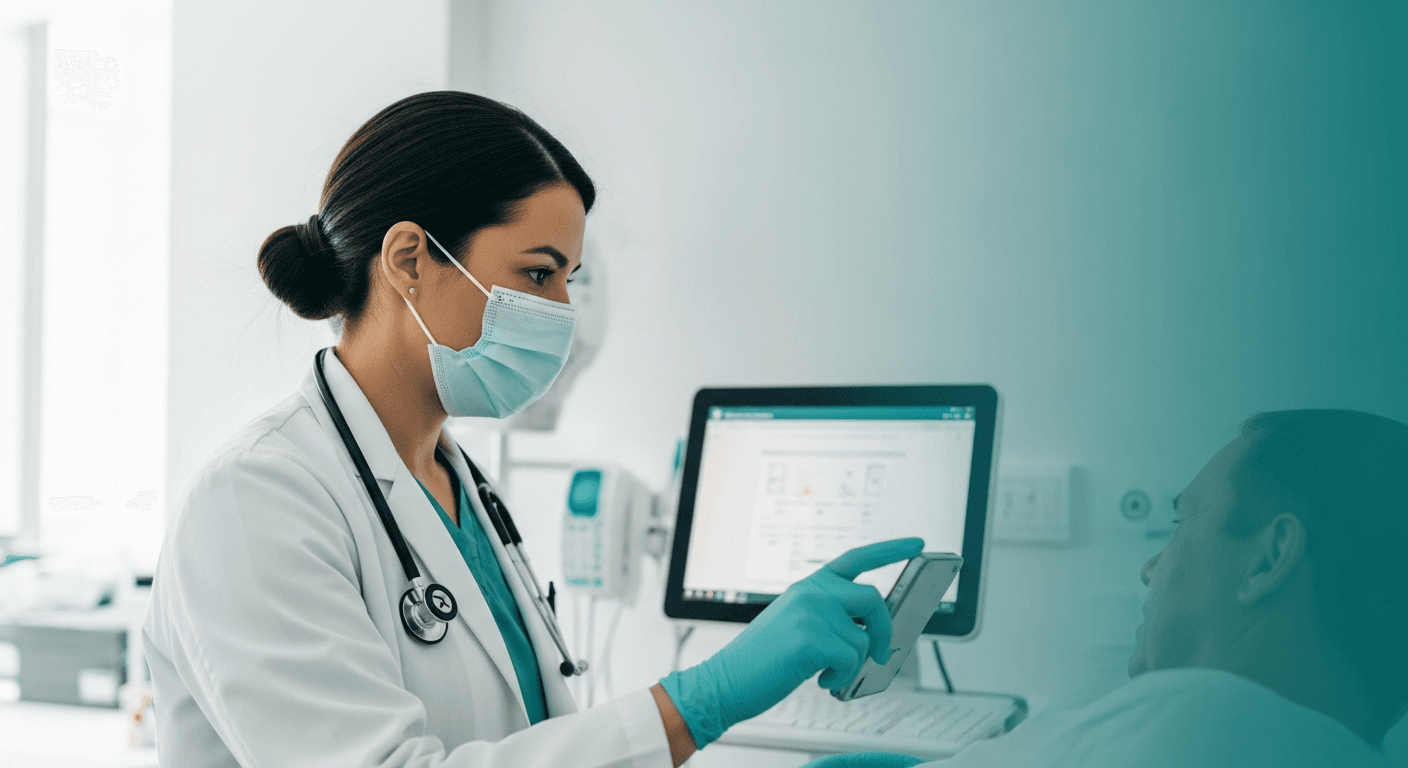
Researchers have developed an innovative mobile application that leverages artificial intelligence (AI) to remotely assess swallowing function, a complex process that often goes undetected or inadequately monitored. This cutting-edge tool allows individuals to perform a simple swallowing test using just their smartphone's camera and microphone, from the comfort of their home.
The app works by recording the subtle sounds and movements associated with swallowing, even those imperceptible to the human eye or ear. Sophisticated AI algorithms then analyze this data, looking for patterns and irregularities that indicate dysphagia, or difficulty swallowing. This technology has the potential to detect early signs of a problem or track changes in swallowing ability over time.
This means that instead of needing specialized clinical visits for tests like a modified barium swallow study, which involves X-rays and a trained professional, patients may soon be able to get an initial assessment or ongoing monitoring through their phone. This represents a significant leap forward in making dysphagia assessment more convenient and widespread.
Why This Matters for Patients
This AI-powered mobile app offers a promising future for anyone living with, or at risk of developing, swallowing difficulties. Its ability to provide convenient, at-home assessment may alleviate many of the burdens associated with traditional diagnostic methods.
Adults
For working-age adults, maintaining health can be a balancing act with career and family commitments. This new technology could mean fewer missed workdays and less travel time for crucial health monitoring. Regular, easy-to-perform checks might help prevent serious complications of dysphagia, such as aspiration pneumonia (a lung infection caused by food or liquid entering the airways), by catching issues early.
Adults recovering from strokes or managing progressive neurological conditions, which often impair swallowing, may especially benefit. The app may provide peace of mind by offering continuous monitoring without the stress of frequent clinic visits, potentially allowing them to better manage their condition proactively.
Older Adults
Older adults carry the highest burden of dysphagia, often due to age-related changes, stroke, Parkinson's disease, or dementia. For this group, mobility issues, transportation challenges, and the risk of exposure to illness in clinic settings make remote monitoring invaluable.
The app could significantly enhance safety by identifying swallowing problems before they potentially lead to severe health consequences like malnutrition or choking incidents, which are major concerns for older individuals. Improved access to assessment may mean better quality of life and potentially fewer hospital admissions.
Children and Teens
Swallowing difficulties can affect children and teens, often stemming from developmental delays, neurological disorders, or structural abnormalities. For parents, monitoring a child's feeding can be a constant source of worry and stress.
This mobile app could offer a less intrusive and more accessible way to track a child's swallowing progress or detect new issues. It might empower parents to provide their healthcare team with timely, objective data, potentially leading to earlier interventions and more tailored support for their child's specific needs.
What the Experts Are Saying
Clinicians and researchers are expressing cautious optimism about the potential impact of this AI-powered mobile app on dysphagia care. Early findings suggest that the app's accuracy could be comparable to some traditional screening methods, making it a potentially valuable tool for initial assessment and ongoing monitoring. Experts believe it may significantly broaden access to care, especially for patients in underserved areas.
The convenience factor is a major highlight, with many specialists noting that enabling remote assessment could lead to earlier detection of swallowing problems. This proactive approach might help prevent severe health complications and improve overall patient outcomes. However, the medical community also emphasizes that while promising, these apps are likely to serve as screening and monitoring tools, complementing, rather than entirely replacing, in-depth clinical evaluations by speech-language pathologists.
What Comes Next
While incredibly promising, the AI-powered mobile app for remote swallowing assessment is not yet widely available for general use. The technology is currently undergoing rigorous testing in advanced clinical trials to validate its accuracy and reliability across diverse patient populations. This crucial phase ensures the app provides consistent and trustworthy results before it can be integrated into routine healthcare.
Following successful clinical trials, the app will need to secure regulatory approval from bodies like the U.S. Food and Drug Administration (FDA). This process can be lengthy, involving comprehensive reviews of its safety and effectiveness. While no exact timeline is definitive, experts anticipate that, assuming all goes well, such a tool could potentially become available to the public within the next one to two years, first likely as a prescription-based medical device.
When to Talk to Your Doctor
Seek immediate medical attention if you experience:
- Sudden difficulty breathing or choking while eating or drinking.
- Unexplained weight loss combined with changes in swallowing.
- Recurrent pneumonia or lung infections, which may indicate aspiration.
If this topic is relevant to a chronic condition you manage, bring this article to your next appointment to discuss whether this emerging technology changes your care plan. Always consult your healthcare provider for personalized medical advice.
Sources & Further Reading
Disclaimer: This article is for informational purposes only and does not constitute medical advice. Always consult a qualified healthcare professional.