AI-Powered Remote Monitoring Transforms Orthodontic Care
Quick Answer
A new era in orthodontic care is here, thanks to AI-powered remote monitoring. This breakthrough allows patients to track their treatment progress from home, providing orthodontists with real-time data to optimize care, detect issues early, and reduce the need for frequent in-person appointments, potentially leading to more convenient and efficient outcomes.
Updated August 23, 2026
Quick Answer: A new era in orthodontic care is here, thanks to AI-powered remote monitoring. This breakthrough allows patients to track their treatment progress from home, providing orthodontists with real-time data to optimize care, detect issues early, and reduce the need for frequent in-person appointments, potentially leading to more convenient and efficient outcomes.
Embarking on orthodontic treatment, whether with braces or clear aligners, often comes with the challenge of frequent visits to the orthodontist's office. Juggling these appointments with work, school, and family commitments can be a significant source of stress and inconvenience for many patients and their families. This constant need for in-person checks can also delay identifying minor issues, potentially lengthening treatment times or complicating care.
For years, the standard approach required patients to physically attend appointments every few weeks to allow their orthodontist to manually assess progress and make adjustments. This traditional model, while effective, meant that problems like ill-fitting aligners or broken brackets might go unnoticed until the next scheduled visit. Now, a promising solution is emerging that could transform this experience: AI-powered remote monitoring.
Contents
- The Breakthrough Explained
- Why This Matters for Patients
- What the Experts Are Saying
- What Comes Next
- When to Talk to Your Doctor
The Breakthrough Explained
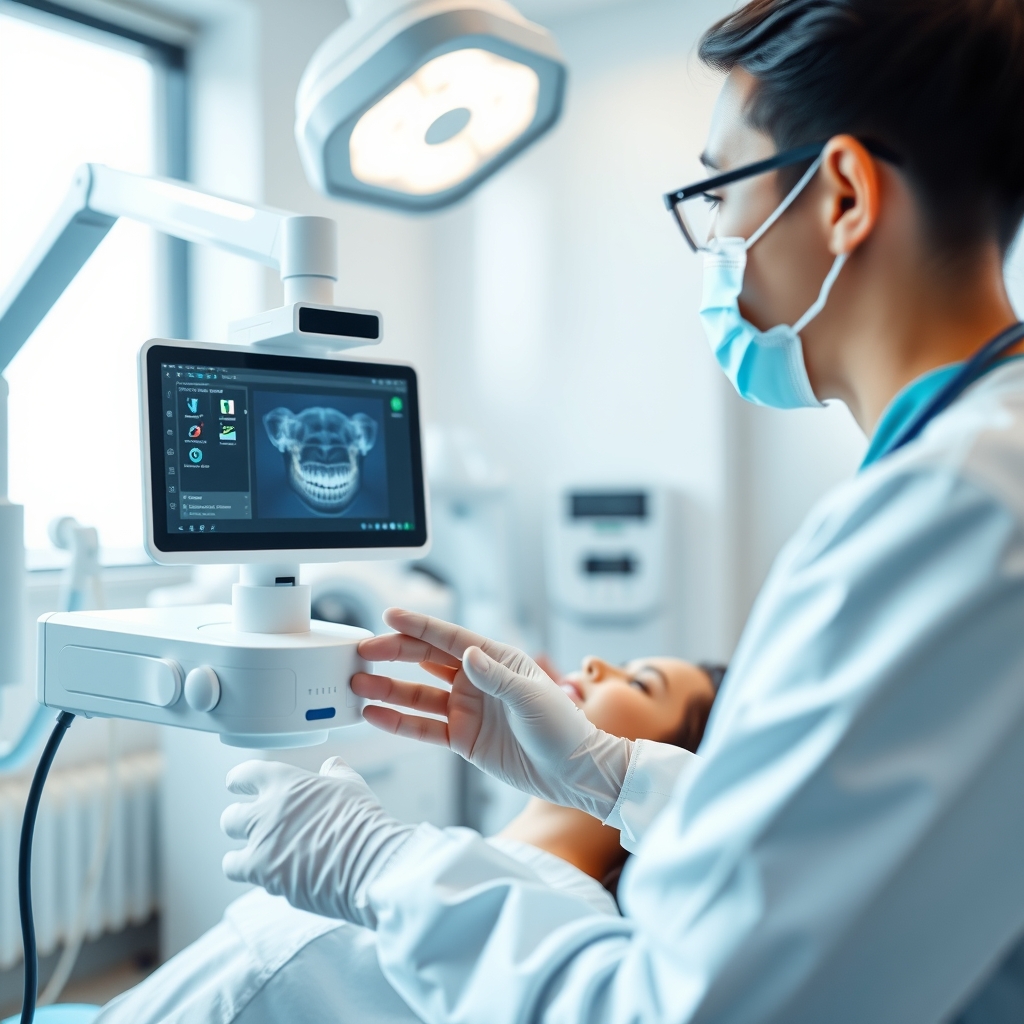
This innovative technology uses artificial intelligence (AI) to allow orthodontists to remotely oversee a patient's treatment from anywhere. Patients simply use a smartphone app, often combined with a small scanning device, to capture regular high-resolution images or videos of their teeth and orthodontic appliances at home. These appliances include traditional braces and clear plastic aligners, which are used to gradually straighten teeth.
The sophisticated AI then meticulously analyzes these images. It tracks subtle tooth movements, assesses how well aligners or braces are fitting, monitors oral hygiene, and even detects potential problems like gum inflammation or damage to the appliance. This detailed analysis provides the orthodontist with a continuous stream of vital information about the patient's progress and any emerging concerns.
This means that an orthodontist may be able to identify if an aligner isn't tracking correctly or if a bracket is loose more quickly than by waiting weeks for an in-person appointment. Based on the AI's insights, the orthodontist can provide timely feedback, adjust the treatment plan, or advise the patient to come in for an early visit only when truly necessary, making the entire process potentially more proactive and personalized.
Why This Matters for Patients
AI-powered remote monitoring holds the potential for a future where orthodontic treatment is more convenient, efficient, and tailored to individual needs. By reducing the number of mandatory in-person visits, it may save time and money, while potentially leading to better and faster results.
Adults
For busy adults, the prospect of fewer trips to the orthodontist is a significant advantage. This technology offers the flexibility to manage appointments around demanding work schedules, family obligations, and travel.
- Increased Convenience: Reduces the need to take time off work for routine check-ups, making treatment more manageable for professionals.
- Discreet Monitoring: For those using clear aligners, remote monitoring can provide peace of mind that their treatment is progressing as planned without frequent public clinic visits.
- Improved Compliance: Regular at-home checks, prompted by the app, may help adults stay on track with wearing their aligners as prescribed.
Older Adults
Orthodontic treatment for older adults, often undertaken for health reasons or to prepare for other dental work, can present unique challenges. Remote monitoring addresses many of these, offering a more comfortable and accessible experience.
- Reduced Travel Burden: Decreases the need for travel to appointments, which can be particularly beneficial for those with mobility issues or living further from their clinic.
- Early Issue Detection: Older adults may have pre-existing dental conditions or be more prone to gum health issues (periodontal disease); the AI can help catch subtle changes early, allowing for timely intervention.
- Enhanced Peace of Mind: Knowing their progress is being consistently monitored from home can reduce anxiety and increase confidence in their treatment journey.
Children and Teens
This breakthrough holds immense potential for younger patients and their parents, simplifying the logistics of orthodontic care and ensuring consistent progress.
- Fewer School Absences: Minimized in-person appointments mean less time missed from school, sports, or other extracurricular activities.
- Parental Oversight: Parents can easily assist with or monitor their child's compliance with aligner wear and oral hygiene routines, directly impacting treatment success.
- Prompt Problem Solving: Issues like broken brackets, wires, or poor oral hygiene that could derail treatment may be identified and addressed much faster, potentially preventing longer treatment times.
What the Experts Are Saying
Orthodontists and researchers are increasingly optimistic about the role of AI in transforming patient care. Many believe that this technology represents a significant leap towards more personalized and accessible healthcare, particularly in specialty fields. Research suggests that AI-powered tools could improve treatment predictability and patient satisfaction.
Experts highlight that these systems don't replace the orthodontist but rather augment their capabilities, providing a continuous stream of data that was previously unavailable between visits. This shift to proactive, data-driven care may allow clinicians to intervene more precisely and prevent minor issues from becoming major setbacks, potentially leading to smoother treatment journeys and superior outcomes. Similar advancements in remote health monitoring, such as AI-Powered Computer Vision Revolutionizes Remote Physical Therapy, demonstrate the broader impact of these technologies.
What Comes Next
While some AI-powered remote monitoring systems are already available and integrated into orthodontic practices, their widespread adoption is still evolving. It is expected that these technologies may become a more standard part of orthodontic care in the coming years, particularly as the demand for convenient, home-based health solutions grows. The integration of AI for analysis, similar to how New AI Analyzes Patient Micro-Expressions for Enhanced Telehealth Pain Assessment assists in virtual consultations, is a growing trend across medical fields.
The next steps involve further clinical validation, refinement of AI algorithms, and ensuring robust data security and privacy measures. Regulatory bodies like the FDA are expected to play a crucial role in reviewing and approving these medical devices, ensuring their safety and effectiveness. As portable health devices become more sophisticated, mirroring the capabilities of an AI-Enabled Portable Device Brings Advanced Eye Screenings Home, the convenience of at-home health monitoring could continue to expand.
When to Talk to Your Doctor
While remote monitoring enhances convenience, it's important to know when an in-person visit is essential. Remember, AI tools are designed to support your care, not replace your orthodontist's expertise.
Seek immediate medical attention if you experience:
- Severe or worsening pain that doesn't go away with over-the-counter pain relievers.
- Significant swelling in your gums, cheeks, or face.
- A loose or broken orthodontic appliance (like a bracket or wire) that is causing severe discomfort or injury to your mouth.
- Difficulty eating or speaking due to your appliance or any oral issue.
- Bleeding from your gums or mouth that doesn't stop after a few minutes of gentle pressure.
If this topic is relevant to a chronic condition you manage, bring this article to your next appointment to discuss whether it changes your care plan. Understanding how advancements like AI-Powered Wearable Detects Early Neurological Signs of Stroke at Home are transforming remote diagnostics can spark important conversations about your overall health strategy.
Sources & Further Reading
Disclaimer: This article is for informational purposes only and does not constitute medical advice. Always consult a qualified healthcare professional.