Ultrasound Unlocks Non-Invasive Gene Therapy Delivery to the Brain
Quick Answer
A groundbreaking new technique uses focused ultrasound to temporarily open the brain's protective barrier, allowing gene therapy to be delivered non-invasively. This technique could potentially revolutionize treatment for devastating neurological diseases, potentially offering a safer alternative to invasive brain surgery and potentially improving patient access to life-changing therapies.
Updated September 12, 2026
Quick Answer: A groundbreaking new technique uses focused ultrasound to temporarily open the brain's protective barrier, allowing gene therapy to be delivered non-invasively. This technique could potentially revolutionize treatment for devastating neurological diseases, potentially offering a safer alternative to invasive brain surgery and potentially improving patient access to life-changing therapies.
Living with a neurological condition, whether it's Parkinson's disease, Alzheimer's, or certain forms of epilepsy, can be incredibly challenging. These conditions often stem from faulty genes or damaged cells in the brain, and while research continuously advances, getting effective treatments to the exact right spot in the brain has remained a major hurdle. This is largely due to the brain's natural "gatekeeper"—the blood-brain barrier.
Traditionally, delivering treatments like gene therapy directly to the brain often required invasive surgery, which carries significant risks such as infection, bleeding, and prolonged recovery. This barrier has limited the reach of many promising therapies, leaving patients and their families searching for safer, more effective options. Now, an exciting new development using focused ultrasound is potentially paving the way for a non-invasive solution, which could unlock new possibilities for neurological care.
Contents
- The Breakthrough Explained
- Why This Matters for Patients
- What the Experts Are Saying
- What Comes Next
- When to Talk to Your Doctor
The Breakthrough Explained
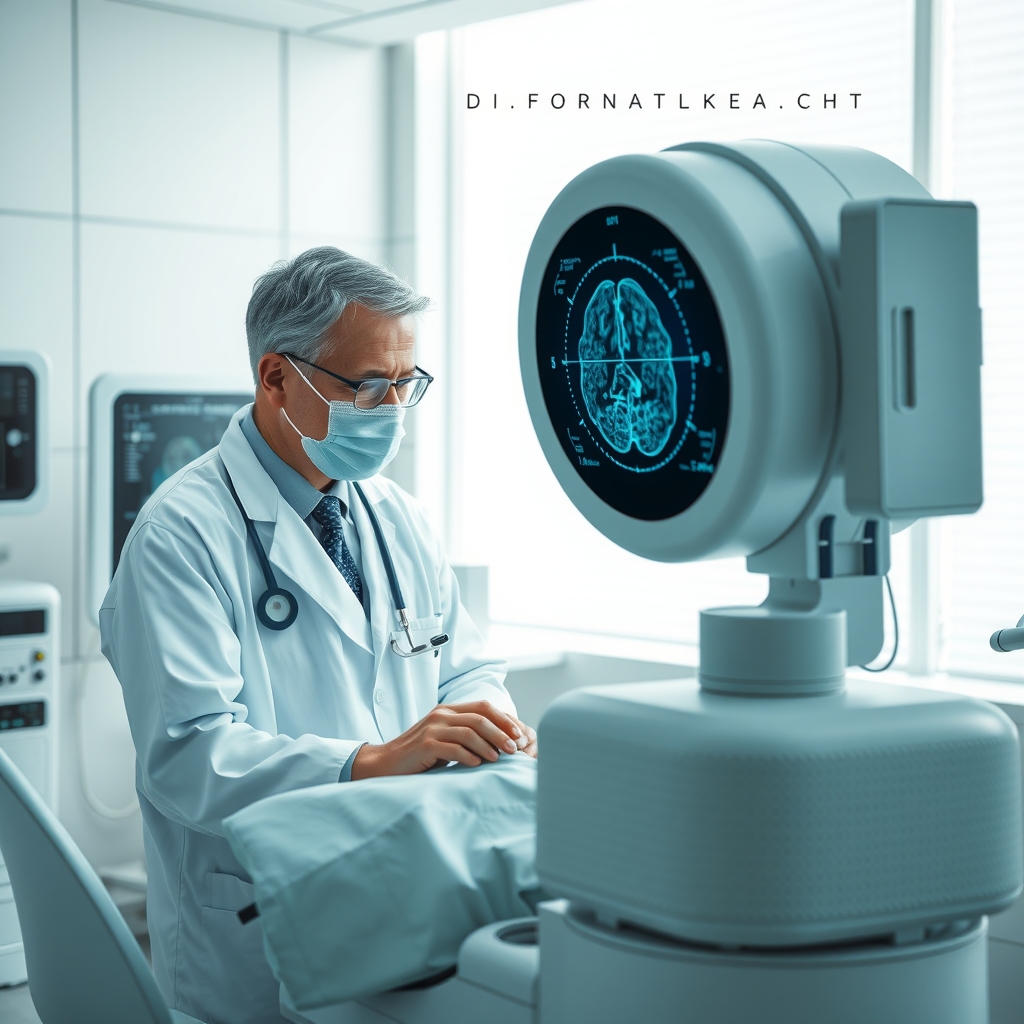
This innovative technique utilizes focused ultrasound, which involves high-frequency sound waves, combined with tiny gas-filled microbubbles injected into the bloodstream. These sound waves are precisely directed at specific areas of the brain where gene therapy is needed. When the ultrasound waves hit the microbubbles, they vibrate gently.
This vibration temporarily and reversibly loosens the "tight junctions" that make up the blood-brain barrier, creating small, temporary openings. Through these tiny windows, therapeutic genetic material, often carried by special vehicles called viral vectors (like adeno-associated viruses), can potentially safely pass from the bloodstream into the targeted brain regions. This allows the gene therapy to reach the affected cells and begin its work, whether that's potentially repairing faulty genes or delivering new ones to help cells function properly.
This method marks a significant step forward because it allows gene therapy to reach the brain without the need for surgery. The temporary openings in the barrier close shortly after the procedure, restoring the brain's natural protection. This approach is being investigated as a powerful, precise, and non-invasive way to tackle complex brain disorders at their genetic root, building upon efforts to improve gene therapy delivery systems, including those engineered by AI engineers.
Why This Matters for Patients
This breakthrough has the potential to impact a wide range of patients by making advanced gene therapies more accessible and less risky.
Adults
For working-age adults grappling with neurological conditions like early-onset Parkinson's disease, essential tremor, or certain forms of epilepsy, this non-invasive approach could potentially be life-changing. It could offer a way to receive highly targeted treatment without the significant downtime and recovery associated with traditional brain surgery. Potentially reducing the risk of complications associated with invasive procedures could mean patients may be able to return to their daily lives and work sooner, potentially preserving their quality of life.
Older Adults
Older adults often carry the highest burden of neurodegenerative diseases such as Alzheimer's and more advanced Parkinson's. For this population, surgical interventions pose greater risks due to factors like existing health conditions and slower recovery times. A non-invasive ultrasound method could mean these vulnerable patients may be able to access gene therapies to slow disease progression or alleviate symptoms, with far fewer risks than current invasive treatments, which may involve methods like AI-enhanced robotic systems for deep brain stimulation. This advancement could lead to improved outcomes and a better quality of life for a population desperately in need of less burdensome treatments.
Children and Teens
Many severe neurological disorders, including some forms of epilepsy, muscular dystrophies affecting the brain, and rare genetic conditions, manifest in childhood or adolescence. For these young patients, avoiding invasive brain surgery is particularly crucial, as it can be traumatizing and have long-term developmental implications. This non-invasive ultrasound technique could potentially provide a much safer, more tolerable way to deliver gene therapy, with the potential to correct genetic faults early in life and alter the course of devastating diseases, potentially offering hope where few options currently exist.
What the Experts Are Saying
Researchers and clinicians are expressing cautious optimism about the potential of focused ultrasound for gene therapy delivery. Early studies suggest this method could offer a precise and repeatable way to open the blood-brain barrier, which is critical for effective treatment. The ability to target specific brain regions with high accuracy could minimize side effects and maximize therapeutic impact, a significant advantage over less targeted delivery methods.
While the technology is still in its early stages of development and testing, particularly in human trials, the consensus is that this approach could revolutionize how we treat neurological diseases. Experts emphasize the importance of continued research into long-term safety and efficacy, but the initial findings are promising. This breakthrough may pave the way for a new era of brain treatment, potentially expanding the reach of gene therapy for conditions currently considered untreatable.
What Comes Next
This promising technology is currently undergoing rigorous testing, moving from preclinical studies to early-phase human clinical trials. Researchers are working to optimize the ultrasound parameters, fine-tune the delivery of different gene therapy vectors, and monitor the long-term safety and effectiveness of the approach. The regulatory pathway to clinical availability will involve several more phases of trials to demonstrate both safety and efficacy in larger patient populations.
It will likely be several years before this ultrasound-guided gene therapy delivery method is widely available in clinics. However, the rapid pace of innovation in this field, including advancements in targeted therapies like those using living cell-powered microrobots, suggests that we could see significant progress in the coming decade. Researchers are also exploring how to combine this method with other emerging therapies with the aim of enhancing its impact.
When to Talk to Your Doctor
While this research is exciting, this specific treatment is not yet widely available. However, it's always important to monitor your health and seek medical attention for new or worsening neurological symptoms.
Seek immediate medical attention if you experience:
- Sudden severe headache, unlike any you've had before
- Sudden weakness or numbness on one side of your body or face
- Difficulty speaking, understanding speech, or sudden confusion
If you or a loved one manages a chronic neurological condition, you may wish to bring this article to your next appointment. Discussing emerging research can help you and your doctor stay informed about potential future treatments and understand how this new development might, in time, change care plans.
Sources & Further Reading
Disclaimer: This article is for informational purposes only and does not constitute medical advice. Always consult a qualified healthcare professional.
Related Clinical Tool: Use Medikle's free 10-Year ASCVD Cardiovascular Risk Calculator to estimate your 10-year risk of cardiovascular disease.