Ultrasound Breakthrough Enables Non-Invasive Brain Stimulation

Quick Answer
A promising ultrasound technique is being explored that may allow doctors to stimulate specific brain areas without surgery. This emerging approach offers new hope for treating various neurological and mental health conditions, providing a less invasive, more precise option than current methods, and potentially improving quality of life for many patients.
Updated July 25, 2026
Quick Answer: A promising ultrasound technique is being explored that may allow doctors to stimulate specific brain areas without surgery. This emerging approach offers new hope for treating various neurological and mental health conditions, providing a less invasive, more precise option than current methods, and potentially improving quality of life for many patients.
For many living with neurological conditions, the prospect of effective treatment can often feel daunting, sometimes involving complex surgeries or medications with unwanted side effects. Conditions like chronic pain, movement disorders, or severe depression can profoundly impact daily life, leaving individuals searching for safer, more targeted interventions.
Current brain stimulation therapies, while effective for some, often come with limitations. Deep brain stimulation (DBS), for example, requires an invasive surgical procedure, while non-invasive methods like transcranial magnetic stimulation (TMS) may not reach deeper brain regions with enough precision. This gap in treatment options has long presented a challenge for clinicians and patients alike.
Now, a significant development in ultrasound technology is emerging as a potential solution, offering a potentially revolutionary way to stimulate the brain non-invasively and with remarkable precision. This new approach holds the promise of transforming how we approach a wide range of neurological and psychiatric conditions, bringing new hope without the need for incisions.
Contents
- The Breakthrough Explained
- Why This Matters for Patients
- What the Experts Are Saying
- What Comes Next
- When to Talk to Your Doctor
The Breakthrough Explained
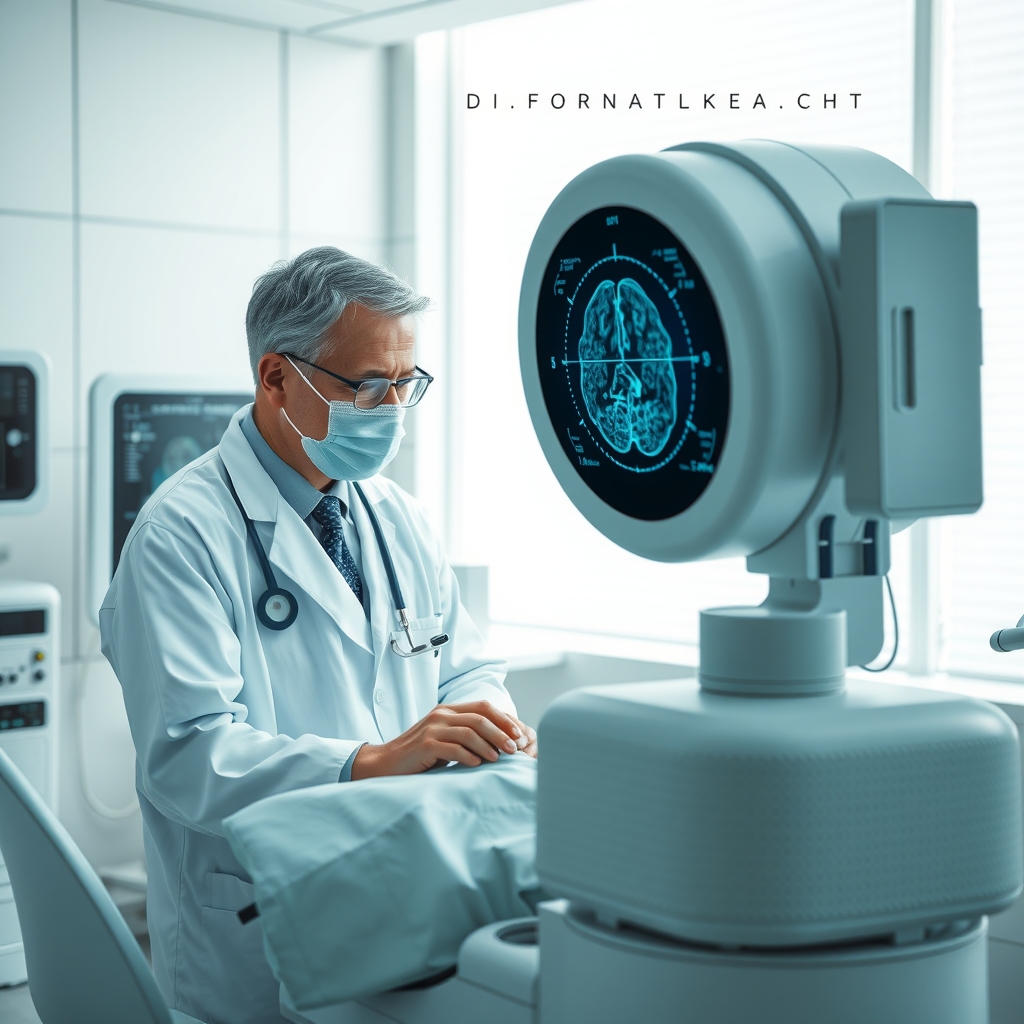
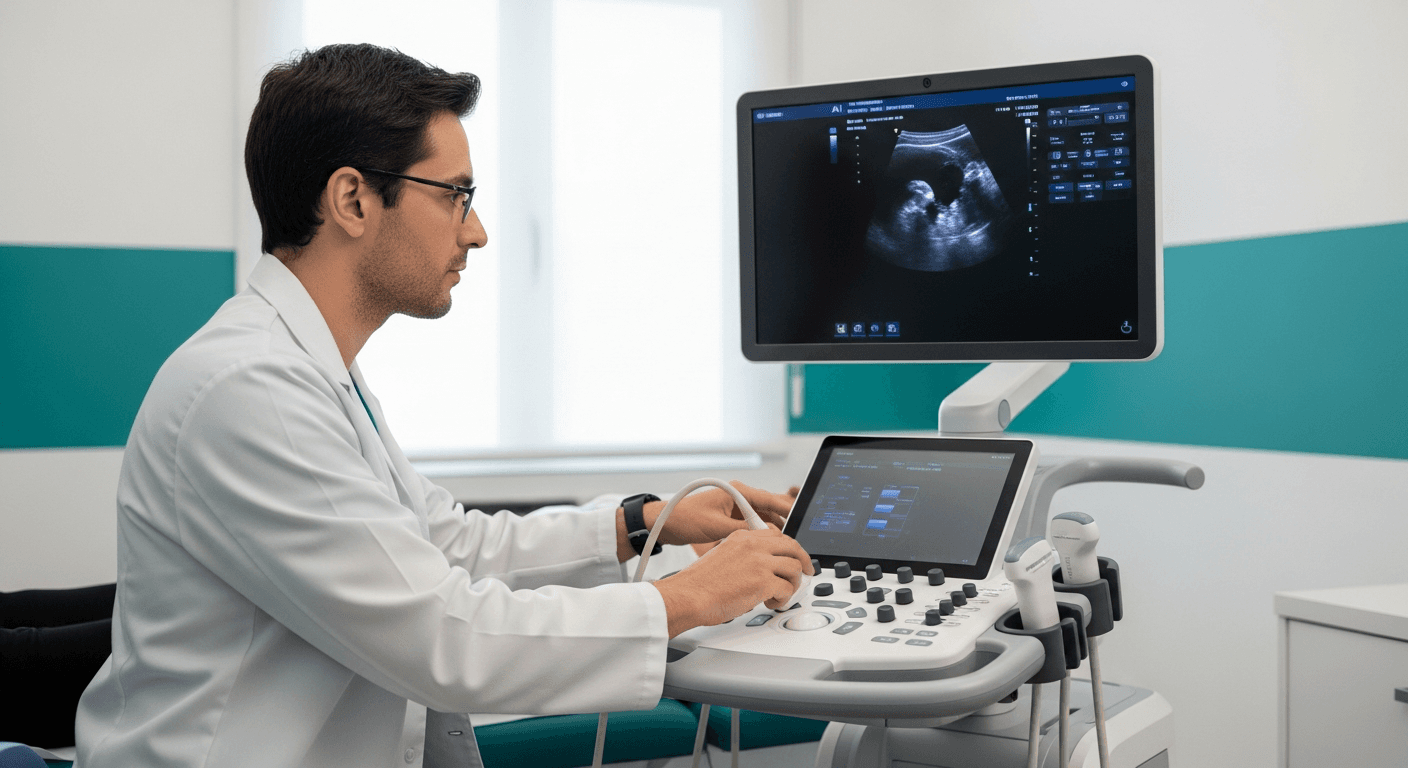
This exciting advancement involves a technology called focused ultrasound, which uses sound waves to precisely target and influence brain activity. Unlike traditional ultrasound used for imaging babies or organs, focused ultrasound concentrates many sound waves onto a tiny spot deep within the brain. This concentration of energy can either stimulate or quiet specific brain cells.
The key to this breakthrough lies in its non-invasive nature and pinpoint accuracy. Researchers are exploring methods to direct these sound waves through the skull without needing to make any cuts or holes, guiding them to specific neural circuits. This could allow for fine-tuning brain activity in ways that were previously only possible with highly invasive surgical procedures.
By delivering gentle, targeted energy, this technique can temporarily change how brain cells communicate. This means it could potentially help correct abnormal brain activity linked to various conditions, potentially reducing the surgical risks and long recovery times associated with current invasive procedures.
Why This Matters for Patients
This non-invasive brain stimulation could open new avenues for treatment across a broad spectrum of patients, offering a safer and more comfortable experience. It holds the promise of making advanced neurological therapies accessible to more people.
Adults
For working-age adults, this technology could offer new hope for conditions that significantly impact daily life and productivity. For instance, individuals struggling with severe depression that hasn't responded to medications or other therapies might find relief. If you are concerned about your mood, it's important to recognize 7 Early Signs of Depression You Shouldn't Ignore and seek help.
It may also be relevant for chronic pain conditions, including certain types of migraines, by modulating pain pathways in the brain. Understanding Why Migraines Happen: Understanding Your Triggers and Finding Lasting Relief can be a first step, and this new technology could eventually offer an advanced treatment option. Furthermore, early research suggests potential applications for epilepsy, essential tremor, and even stroke rehabilitation, where stimulating certain brain areas could help regain lost function.
Older Adults
Older adults often carry a higher burden of neurological disorders, and the risks associated with invasive surgery can be a significant concern. This non-invasive ultrasound method offers a particularly appealing potential option for this group. It could potentially provide a safer way to manage symptoms of Parkinson's disease, such as tremors, or improve motor control, without the need for implanted devices.
For those with cognitive decline or certain types of dementia, targeted stimulation might help improve specific brain functions, though research in these areas is still in early stages. Conditions like epilepsy, which can also affect older adults, might benefit from this precise, potentially lower-risk approach, complementing or even reducing the need for medications. Similarly, for individuals living with seizure disorders, emerging technologies like an AI-Powered Wearable Predicts Seizures Before Onset demonstrate a broader move towards less invasive, more proactive neurological care.
Children and Teens
While research in pediatric populations is highly cautious, the non-invasive nature of this technology could eventually hold promise for children and teens with severe neurological conditions where other treatments fall short. This might include certain forms of intractable epilepsy or severe movement disorders that profoundly affect development and quality of life.
Any application in younger patients would require extensive safety studies and careful consideration due to the developing brain. However, the potential for a non-surgical alternative to modulate brain activity in specific cases could be transformative for families facing complex medical decisions. The field of non-invasive neurological interventions is constantly evolving, with other innovations such as an AI-Powered Brain-Computer Interface Restores Speech for Paralysis Patients also showing how technology can improve lives with minimal intervention.
What the Experts Are Saying
Neurologists and neuroscientists are expressing cautious optimism about this focused ultrasound breakthrough. Many see it as a significant step forward, noting its potential to bridge the gap between highly invasive surgical procedures and less precise non-invasive techniques. Researchers suggest that the ability to precisely target deep brain structures without opening the skull could open doors to treating conditions previously deemed untreatable or requiring complex operations.
Clinicians emphasize that while the early results are promising, this technology is still largely in its experimental phases for many applications. They highlight the need for larger, long-term studies to fully understand its effectiveness, safety, and optimal treatment protocols. However, the consensus is that this non-invasive approach represents a powerful potential new tool in the fight against neurological disorders, potentially offering a safer and more accessible future for brain therapy.
What Comes Next
While this breakthrough is exciting, it's important to remember that it is still in the early stages of development and clinical testing for many potential uses. Researchers are currently conducting Phase I and Phase II clinical trials, which focus on confirming safety and exploring initial effectiveness in a small number of patients. Successful completion of these phases would pave the way for larger, Phase III trials involving more participants, which are necessary before regulatory bodies like the FDA consider approval for widespread use.
Therefore, it will likely be several years before this specific focused ultrasound technology becomes a standard, clinically available treatment for most conditions. Researchers are also working to refine the technology, make it more affordable, and ensure it can be widely accessible once approved. Hurdles include optimizing treatment parameters for different conditions and understanding long-term effects.
When to Talk to Your Doctor
Seek immediate medical attention if you experience:
- Sudden, severe headache unlike any you've had before.
- Sudden weakness or numbness on one side of your body.
- Sudden difficulty speaking, understanding speech, or seeing clearly.
If this topic is relevant to a chronic condition you manage, bring this article to your next appointment to discuss whether it changes your care plan.
Sources & Further Reading
Disclaimer: This article is for informational purposes only and does not constitute medical advice. Always consult a qualified healthcare professional.