AI Tool Detects Sepsis Hours Before Traditional Methods, Improving Survival Rates

Quick Answer
AI system detects sepsis earlier than current methods, potentially saving lives. Faster treatment may improve survival rates significantly.
AI Tool Detects Sepsis Earlier Than Traditional Methods, Potentially Improving Survival Rates
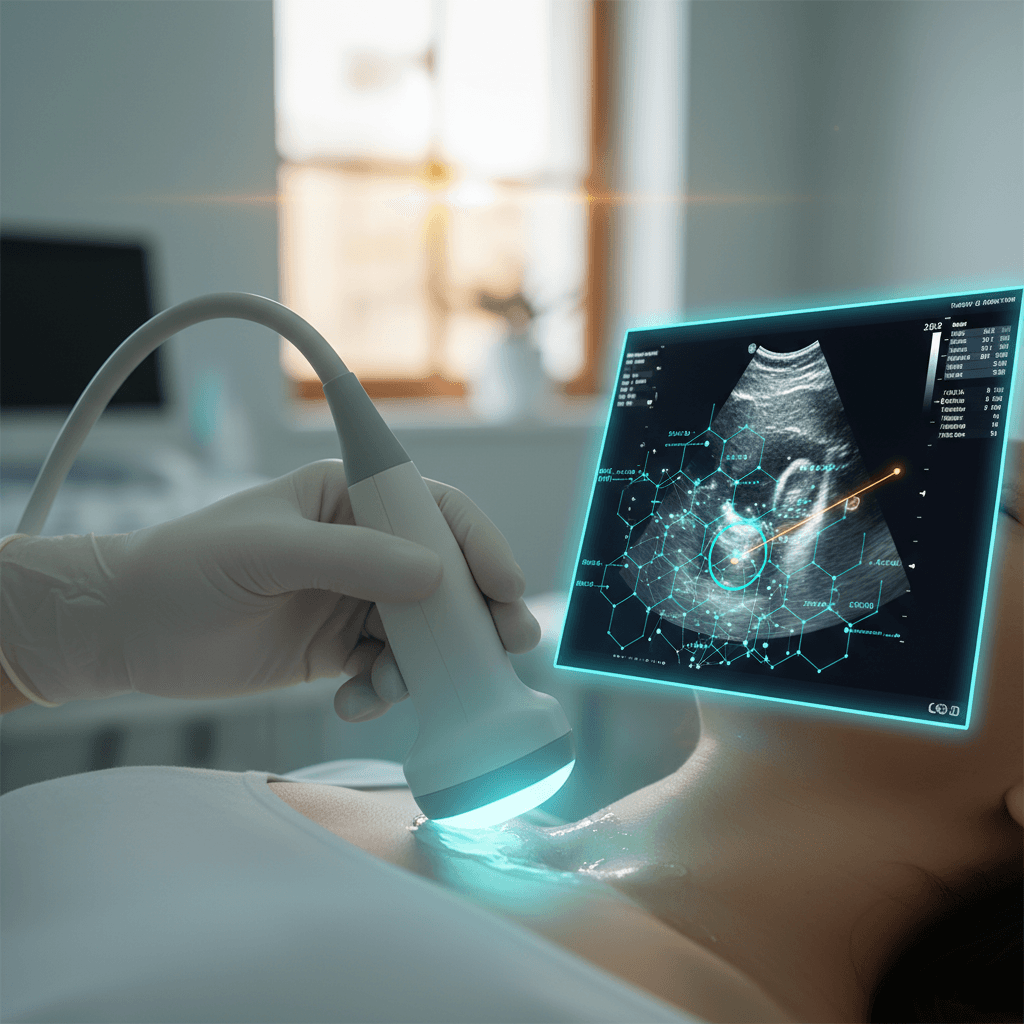
A new artificial intelligence tool is showing promise in the fight against sepsis, a life-threatening condition. The AI system may detect sepsis earlier than current clinical methods, potentially leading to faster treatment and improved survival rates.
What the Research Shows
The AI tool was developed and tested by researchers at a major university medical center and findings were published in a peer-reviewed journal. The study involved analyzing data from patient records, using machine learning algorithms to identify patterns that may predict sepsis. The AI system continuously monitors patients' vital signs, lab results, and other clinical data to assess their risk.
Specifically, the AI tool looks for combinations of indicators, such as a change in heart rate coupled with a change in white blood cell count. By identifying these early signs, the AI may alert medical staff to a potential case of sepsis earlier than traditional diagnostic methods. In a clinical trial, the AI-powered system demonstrated improved sensitivity and specificity compared to standard protocols for sepsis detection. This means it was better at correctly identifying patients and avoiding false alarms. Research suggests that earlier detection led to faster administration of treatments, potentially resulting in an improvement in patient outcomes, including reduced mortality and shorter hospital stays.
Why This Matters
Sepsis is a public health problem. It occurs when the body's response to an infection spirals out of control, leading to widespread inflammation and organ damage.
Currently, diagnosing sepsis relies on a combination of clinical observation, laboratory tests, and scoring systems. The AI tool offers a potential solution by providing a more objective and timely assessment of a patient's risk. Early detection and treatment are critical for potentially improving survival rates and reducing the long-term complications associated with sepsis. The implementation of AI-powered sepsis detection systems in healthcare settings could have a significant impact on patient care and outcomes.
What Experts Are Saying
Medical experts are cautiously optimistic about the potential of AI to improve sepsis detection and management. While the research findings are promising, it's important to acknowledge the limitations of AI systems. They are only as good as the data they are trained on, and there is a risk of bias if the data is not representative of the broader patient population.
Additionally, AI tools should not replace human judgment but rather augment it. Doctors and nurses must still rely on their clinical expertise to interpret the AI's alerts and make informed decisions about patient care. It’s also important to note that widespread implementation will require careful consideration of data privacy, security, and ethical implications. Further research is needed to validate the effectiveness of AI-powered sepsis detection systems in diverse clinical settings and to assess their impact on healthcare costs and resource utilization.
Looking Ahead
The development of AI-powered tools for sepsis detection is an active area of research, and several teams are working on refining and improving these systems. Future research will likely focus on integrating AI with other technologies, such as wearable sensors and remote monitoring devices, to provide continuous and personalized risk assessment.
Another important area of investigation is the use of AI to predict which patients are most likely to benefit from specific treatments for sepsis. By identifying subgroups of patients with different underlying mechanisms of disease, AI could help personalize treatment strategies and improve outcomes. Ultimately, the goal is to create a comprehensive AI-powered system that can support clinicians in every aspect of sepsis management, from early detection to personalized treatment and long-term follow-up.
The Bottom Line
An AI tool may detect sepsis earlier than standard methods, potentially improving patient survival chances. This technology offers a more timely and objective assessment of sepsis risk, which can lead to faster treatment and better outcomes. However, it is essential to balance optimism with realistic expectations and further research to ensure the tool's reliability and widespread benefit.
Sources & Further Reading
For more information on this topic, visit these trusted resources:
This article is for informational purposes only and does not constitute medical advice. Always consult with a qualified healthcare provider for medical guidance.