AI-Powered Virtual Reality Therapy Shows Promise in Treating Phantom Limb Pain
Quick Answer
New AI-powered virtual reality (VR) therapy shows promise in reducing phantom limb pain, the chronic pain felt in a limb that has been amputated. This innovative approach offers a non-invasive alternative to traditional pain management, potentially improving quality of life.
Updated March 1, 2026
Quick Answer: New AI-powered virtual reality (VR) therapy shows promise in reducing phantom limb pain, the chronic pain felt in a limb that has been amputated. This innovative approach offers a non-invasive alternative to traditional pain management, potentially improving quality of life.
Phantom limb pain, the persistent and often debilitating sensation of pain in a missing limb, affects a significant number of amputees. Current treatments, which include medication, physical therapy, and nerve stimulation, often provide only partial relief and can come with unpleasant side effects. This leaves many patients searching for more effective and less invasive options to manage their pain and improve their daily lives.
Now, a groundbreaking AI-powered virtual reality therapy is offering new hope. This approach uses immersive VR environments and artificial intelligence to retrain the brain and reduce the perception of pain, potentially providing a life-changing solution for those suffering from this challenging condition.
Contents
- The Breakthrough Explained
- Why This Matters for Patients
- What Comes Next
- When to Talk to Your Doctor
The Breakthrough Explained
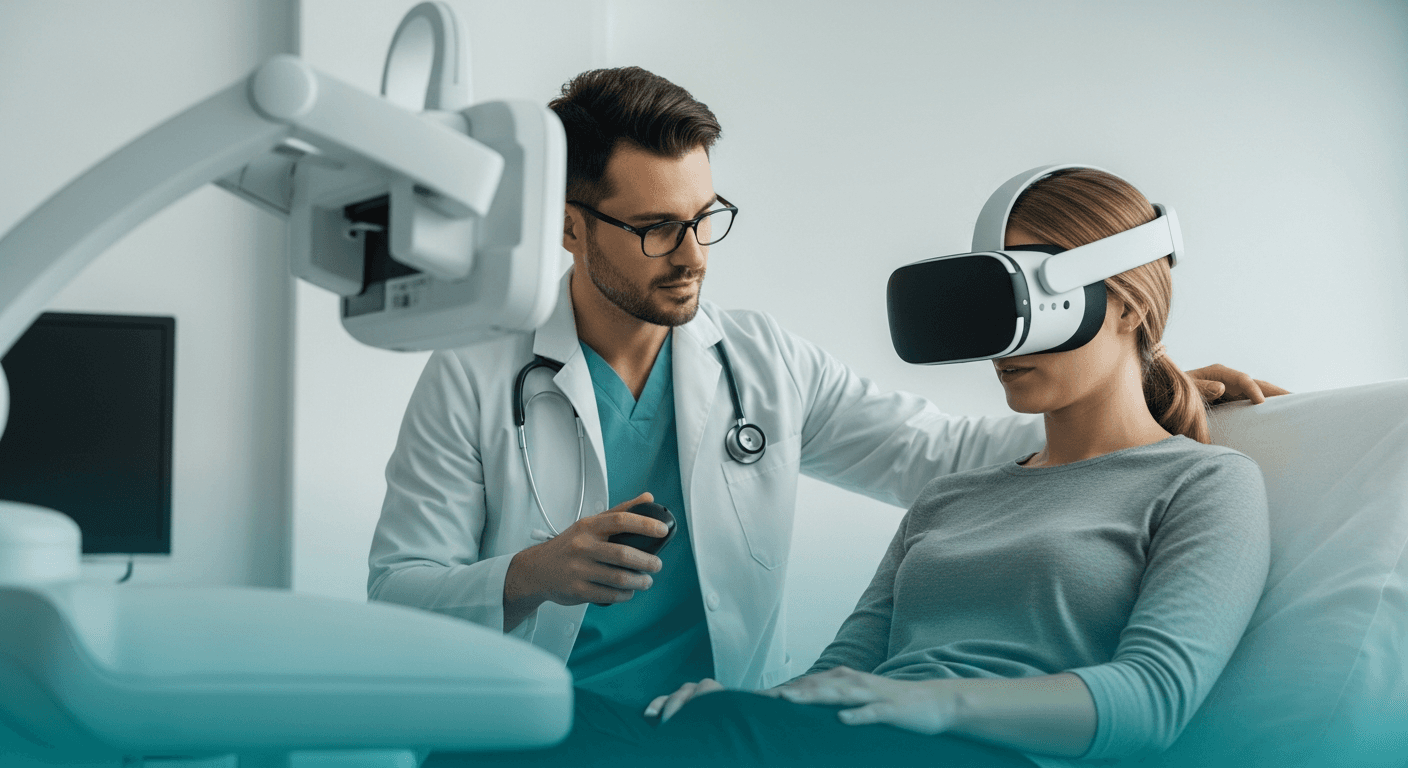
The new AI-powered virtual reality therapy works by creating a virtual representation of the missing limb within a VR environment. Patients wear a VR headset and interact with this virtual limb, performing tasks like reaching for objects or manipulating tools. This interaction may trick the brain into believing the limb is still present and functional.
The AI component continuously monitors the patient's movements and pain levels, adjusting the VR environment in real-time to optimize the therapy. By providing visual and sensory feedback, the therapy helps to remap the brain's neural pathways, potentially reducing the signals that cause phantom limb pain. This is similar to how the AI-Powered Robotic Arm Restores Fine Motor Skills in Stroke Patients works by retraining the brain.
The therapy sessions are typically short, lasting about 30 to 60 minutes, and are conducted under the supervision of a trained therapist. The number of sessions needed to achieve significant pain relief varies from person to person, but many patients report noticeable improvements within a few weeks.
Why This Matters for Patients
This breakthrough offers a non-invasive, drug-free alternative for managing phantom limb pain, which may improve the quality of life for amputees. It addresses the root cause of the pain by retraining the brain, rather than simply masking the symptoms.
Adults
For working-age adults, phantom limb pain can be a major obstacle to returning to work and participating in everyday activities. This therapy may help reduce pain and improve function, allowing them to regain their independence and productivity. Managing pain is key, but remember to also focus on How to Improve Your Mental Health: A Practical Guide to ensure you're addressing all aspects of well-being.
Older Adults
Older adults, who often have other health conditions and may be more sensitive to medication side effects, can particularly benefit from this non-pharmacological approach. The therapy is gentle and adaptable, making it suitable for a wide range of patients, even those with limited mobility or cognitive impairments. If you're managing a chronic condition, be sure to read The Ultimate Guide to Managing Your Chronic Condition.
Children and Teens
While more research is needed, this therapy holds promise for children and teens with phantom limb pain. The engaging nature of VR may make it particularly appealing to younger patients, and the potential for long-term pain relief is especially important for this population.
What Comes Next
The AI-powered virtual reality therapy is currently in Phase II clinical trials, where researchers are evaluating its effectiveness and safety in a larger group of patients. If the results of these trials are positive, the therapy will need to be approved by regulatory bodies like the FDA before it can be widely available. It is estimated that the therapy could be available to patients within the next two to three years, pending regulatory approval and further research.
When to Talk to Your Doctor
Seek immediate medical attention if you experience:
- Sudden, severe pain in your residual limb (the remaining part of the amputated limb).
- Signs of infection, such as redness, swelling, or pus.
- Fever accompanied by increased pain.
If you are experiencing phantom limb pain and are interested in exploring new treatment options, bring this article to your next appointment to discuss whether AI-powered VR therapy is right for you. It's important to manage your phantom limb pain because it can cause other problems, such as depression, anxiety, and trouble sleeping.
Sources & Further Reading
Disclaimer: This article is for informational purposes only and does not constitute medical advice. Always consult a qualified healthcare professional.