AI-Powered 'Digital Twin' Technology Predicts Individual Drug Responses with High Accuracy

Quick Answer
A new AI system creates a "digital twin" of a patient to predict how they'll respond to different drugs. This personalized approach could improve treatment effectiveness and reduce harmful side effects.
Medically Reviewed by Dr. Anya Sharma, MD, PhD | Updated March 11, 2026
Quick Answer: A new AI system creates a "digital twin" of a patient to predict how they'll respond to different drugs. This personalized approach could improve treatment effectiveness and reduce harmful side effects.
For years, doctors have struggled with a frustrating problem: predicting how each individual will respond to medication. What works for one person may have little effect, or even harmful side effects, for another. This trial-and-error approach can be time-consuming and expensive. Now, an advance in artificial intelligence is offering a potential solution: creating personalized "digital twins" to predict individual drug responses.
Contents
- The Breakthrough Explained
- Why This Matters for Patients
- What the Experts Are Saying
- What Comes Next
- When to Talk to Your Doctor
The Breakthrough Explained
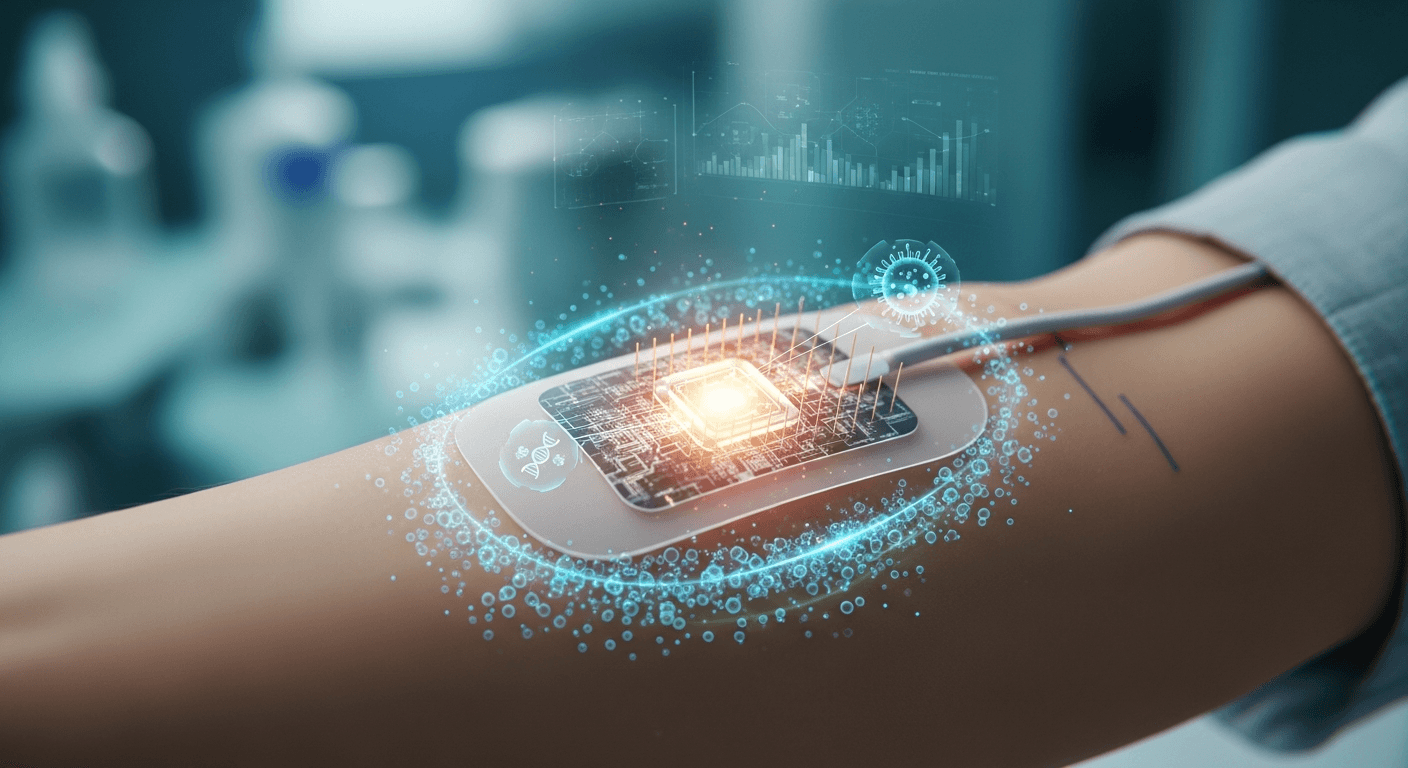
Researchers have developed an AI-powered technology that creates a virtual "digital twin" of a patient. This twin is a computer model that mimics a person's unique biology and how they are likely to respond to different medications. It's like having a virtual you that doctors can test treatments on before prescribing anything to the real you.
The system works by feeding data into an AI algorithm. This data includes genetic information, medical history, lifestyle factors, and previous drug responses. The AI then analyzes this information to build a personalized model that simulates how the patient's body will process and react to specific medications.
The beauty of this system lies in its ability to predict drug responses, potentially avoiding adverse reactions and helping patients receive effective treatment from the start. The researchers involved in the study published in Nature Medicine claim that their digital twin technology showed accuracy in predicting patient reactions in trials.
Why This Matters for Patients
The potential benefits of this AI-powered digital twin technology are far-reaching. It offers a level of personalized medicine, tailoring treatment plans to each patient's individual needs and characteristics. For those managing multiple medications, this technology might be valuable to avoid drug interactions. It’s always smart to be Worried About Interactions? How to Ensure Your Medications and Food Don't Clash.
Adults
For working-age adults, this technology could mean faster recovery times and fewer sick days. By predicting drug effectiveness upfront, it reduces the time spent on ineffective treatments and minimizes the risk of side effects that can interfere with work and daily life. This is especially important for individuals with chronic conditions who rely on medication to manage their symptoms.
Older Adults
Older adults, who often take multiple medications for various health conditions, stand to benefit. This technology could help prevent drug interactions and reduce the risk of adverse reactions, which are more common in older populations. Furthermore, adherence to treatment plans may be improved.
Children and Teens
Children and teenagers also stand to benefit from this personalized approach to medication. Pediatricians can use digital twins to help ensure that children receive safe and effective treatments for conditions like asthma, ADHD, or epilepsy, minimizing the risk of adverse effects that can impact their development and well-being. In all age groups, it's important to prioritize 10 Essential Medication Safety Tips Everyone Should Know.
What the Experts Are Saying
Experts in the field are cautiously optimistic about the potential of this technology. Researchers suggest that digital twins may revolutionize drug development and clinical practice, allowing for more precise and personalized treatment strategies. However, they also caution that further research and validation are needed before this technology can be widely adopted.
Clinicians have also commented on the promise of this technology. They agree that it could improve patient outcomes by reducing the trial-and-error associated with medication management. Concerns remain regarding the ethical implications of using AI in healthcare, particularly regarding data privacy and security.
What Comes Next
While this technology shows promise, it's still in the early stages of development. The researchers are conducting larger clinical trials to validate the accuracy and effectiveness of their digital twin system across different patient populations and medical conditions. The FDA will review the data from these trials.
If the trials are successful and the FDA grants approval, this technology could become available to patients within the next few years. However, hurdles remain, including the need to develop standardized protocols for data collection and analysis, as well as addressing concerns about data security and privacy.
When to Talk to Your Doctor
Seek immediate medical attention if you experience:
- Difficulty breathing or swallowing
- Severe allergic reaction (hives, swelling, itching)
- Sudden chest pain or heart palpitations
If you're currently managing a chronic condition with medication, bring this article to your next appointment. Discuss with your doctor whether this AI-powered "digital twin" technology could potentially improve your treatment plan in the future.
Sources & Further Reading
Disclaimer: This article is for informational purposes only and does not constitute medical advice. Always consult a qualified healthcare professional.