10 Essential Medication Safety Tips: A Clinical Pharmacologist's Guide
Quick Answer
Medication safety relies on keeping an updated drug list, checking for food and supplement interactions, storing pills away from bathroom humidity, adhering to prescribed schedules with smart reminders, and consulting a pharmacist before splitting or combining tablets.
Updated August 18, 2026
Quick Answer: Medication safety relies on keeping an updated drug list, checking for food and supplement interactions, storing pills away from bathroom humidity, adhering to prescribed schedules with smart reminders, and consulting a pharmacist before splitting or combining tablets.
Medication errors remain among the leading causes of preventable harm in modern healthcare. According to the World Health Organization's Medication Without Harm initiative and the U.S. FDA, over 1.3 million people suffer adverse drug events annually in the United States alone.
Adhering to strict, evidence-based medication safety rules significantly lowers the risk of toxic interactions, accidental overdoses, and therapy failure.
10 Core Rules of Medication Safety
┌─────────────────────────────────────────────────────────────┐
│                 THE 5 RIGHTS OF MEDICATION                  │
├─────────────────────────────────────────────────────────────┤
│ 1. Right Patient   • 2. Right Medication   • 3. Right Dose  │
│ 4. Right Route     • 5. Right Timing / Frequency            │
└─────────────────────────────────────────────────────────────┘
1. Maintain an Active, Reconciled Medication List
Keep a digital record of all prescription drugs, over-the-counter (OTC) products, vitamins, and herbal extracts. Include the exact milligram strength and prescribing physician.
2. Screen for Dangerous Drug-Drug & Food Interactions
Certain foods dramatically alter drug metabolism. For instance, grapefruit juice inhibits the CYP3A4 enzyme, causing dangerous blood concentrations of statins (like Atorvastatin) and calcium channel blockers. Cross-check your regimen using our guide on Why Your Prescriptions Aren't Working Like They Should.
3. Store Medications Away from Heat and Moisture
The traditional "bathroom cabinet" is the worst place to keep pills. Ambient humidity accelerates chemical degradation of active pharmaceutical ingredients. Store pills in a cool, dry pantry or bedside drawer (between 68°F and 77°F / 20°C to 25°C).
4. Never Alter or Crush Modified-Release Dosage Forms
Tablets labeled with suffixes such as ER (Extended Release), XR (Extended Release), CR (Controlled Release), or EC (Enteric Coated) are engineered to dissolve slowly. Crushing or chewing them releases 24 hours of medication all at once ("dose dumping"), risking toxicity.
5. Always Verify Imprint Codes on Unidentified Tablets
If loose tablets get mixed up in a travel pillbox, never guess based on color alone. Use the Medikle Pill Identifier or inspect stamped imprint codes to confirm identity before swallowing.
6. Avoid Medication Sharing
Never share prescription medications with friends or family members. Individual liver enzyme kinetics, kidney function, and underlying conditions (such as cardiovascular or renal disease) make standard doses dangerous for others.
7. Monitor Cardiovascular and Metabolic Health Indicators
Chronic medications often require regular monitoring of baseline biometric indicators. Utilize clinical assessment tools such as the BMI Calculator and the ASCVD 10-Year Cardiovascular Risk Assessment to track long-term health metrics alongside your physician.
8. Use Single-Pharmacy Dispensing When Possible
Filling all prescriptions at one pharmacy enables the pharmacy management system to flag duplicate therapies and cross-doctor contraindications automatically.
9. Deploy Smart, Time-Zone Aware Adherence Reminders
Missing doses of antihypertensives, antibiotics, or anticoagulants causes volatile blood serum spikes. Use automated reminder tools like Medikle to maintain therapeutic drug levels.
10. Practice Safe Disposal via Authorized Drop-Boxes
Never flush pharmaceuticals into municipal waterways unless specifically instructed by the FDA flush list. Utilize local DEA take-back events or drop-boxes at licensed pharmacies.
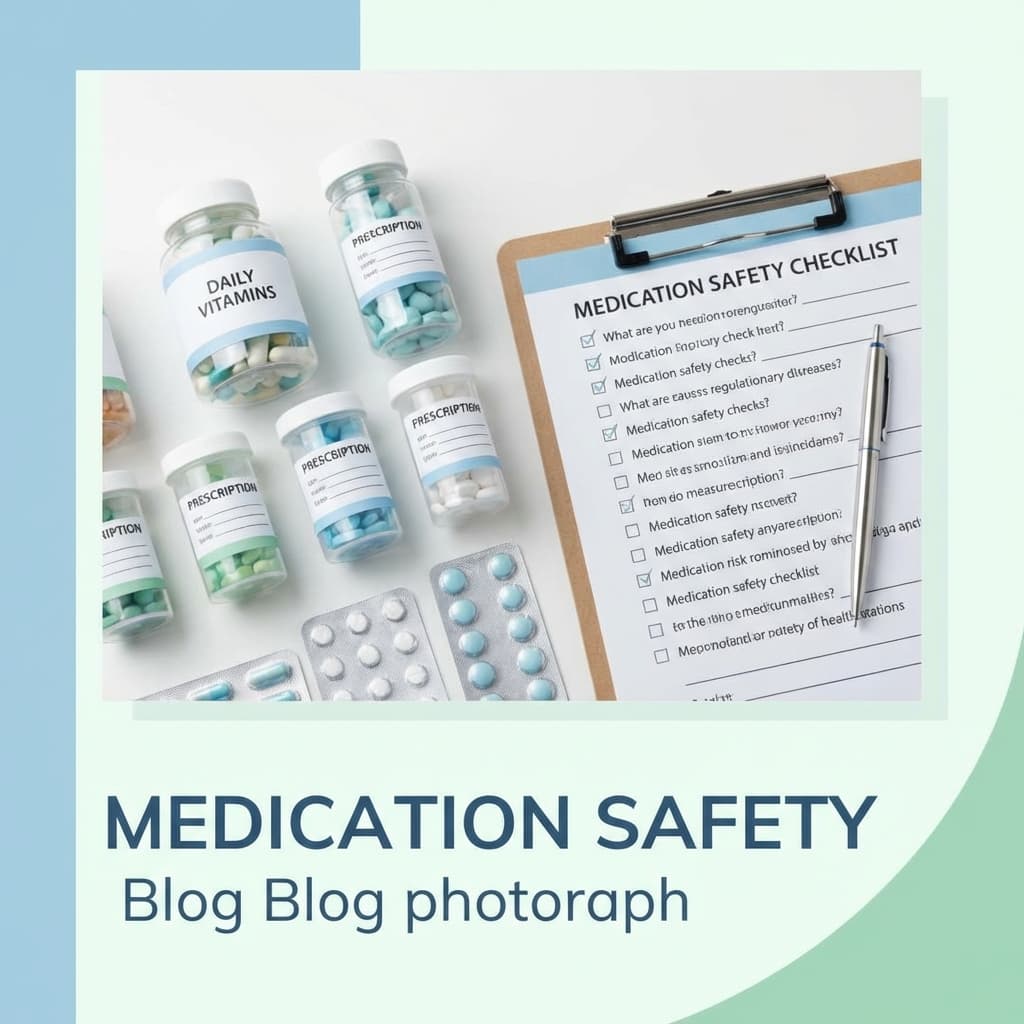
Medication Safety Checklist
| Safety Step | Action Required | Frequency |
|---|---|---|
| Medicine Cabinet Audit | Discard expired pills via take-back drop box | Every 6 Months |
| Drug Interaction Review | Review all OTC supplements with pharmacist | Prior to Starting New Meds |
| List Reconciliation | Update digital medication list in app | After Every Clinical Visit |
| Blood Pressure & Vitals | Log readings to monitor drug efficacy | Weekly / As Prescribed |