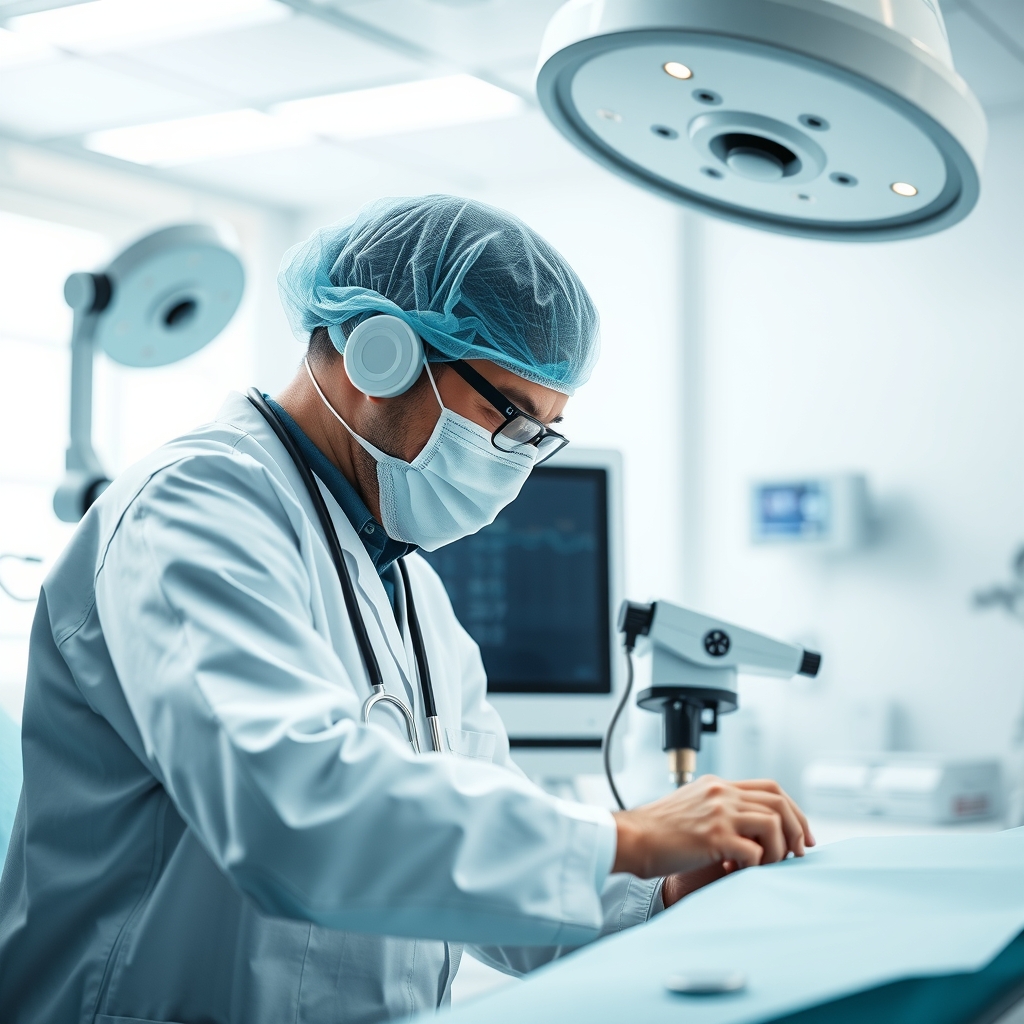
AI-Powered Robotic System Improves Outcomes in Complex Hernia Repair

Quick Answer
A new AI-powered robotic surgical system is showing promise in improving outcomes for complex hernia repairs. This technology aims to reduce complications, shorten recovery times, and improve the overall success rate of these challenging surgeries.
Medically Reviewed by Dr. Eleanor Vance, MD, PhD | General Surgery | Updated March 17, 2026
Quick Answer: A new AI-powered robotic surgical system is showing promise in improving outcomes for complex hernia repairs. This technology aims to reduce complications, shorten recovery times, and improve the overall success rate of these challenging surgeries.
Hernias, a common condition where an organ or tissue protrudes through a weak spot in a surrounding muscle or tissue, can cause significant pain and discomfort. Current surgical approaches, while effective, can sometimes lead to complications like infection, recurrence, and chronic pain. These challenges are particularly pronounced in complex hernia cases, such as those involving large defects or prior surgical failures.
Now, a groundbreaking AI-powered robotic system is poised to revolutionize hernia repair. This innovative technology offers surgeons enhanced precision, visualization, and control, potentially leading to better outcomes for patients facing complex hernia procedures.
Contents
- The Breakthrough Explained
- Why This Matters for Patients
- What the Experts Are Saying
- What Comes Next
- When to Talk to Your Doctor
The Breakthrough Explained
The new AI-powered robotic system uses advanced imaging and machine learning algorithms to assist surgeons during complex hernia repair. Before the surgery, the system creates a detailed 3D model of the patient's abdomen, highlighting the hernia defect and surrounding tissues. This allows for meticulous pre-operative planning.
During the procedure, the surgeon controls robotic arms with enhanced dexterity and precision. The system's AI algorithms provide real-time guidance, helping the surgeon to navigate delicate tissues, avoid critical structures, and precisely place sutures or mesh. The system's high-definition 3D visualization offers a magnified view of the surgical field, further improving accuracy. You might be interested in reading about similar applications in AI-Powered Robotic System Enhances Precision in Spinal Surgery.
The AI component also learns from each surgery, refining its algorithms over time to optimize surgical techniques and improve outcomes. This continuous learning capability promises to make future hernia repairs even safer and more effective.
Why This Matters for Patients
This breakthrough offers numerous potential benefits for patients undergoing complex hernia repair. The enhanced precision and visualization can lead to reduced risk of complications, such as bleeding, infection, and damage to surrounding organs. Shorter recovery times and decreased post-operative pain are also anticipated.
Adults
Working-age adults often face significant disruption to their lives due to hernia-related pain and the recovery period following surgery. This new technology could enable them to return to work and their daily activities more quickly, improving their quality of life and economic productivity. The improved precision, similar to the benefits seen in the AI-Powered Robotic System Enhances Precision in Complex Spinal Surgeries, may lead to better long-term outcomes.
Older Adults
Older adults are more likely to experience complex hernias and may have other underlying health conditions that increase their risk during surgery. The AI-powered robotic system could be particularly beneficial for this population by minimizing surgical trauma, reducing the risk of complications, and promoting faster healing. The enhanced precision of these AI-driven robotic systems is also being explored in procedures like AI-Powered Surgical System Improves Outcomes in Complex Kidney Stone Removal, suggesting broad applicability.
What the Experts Are Saying
Early research suggests that the AI-powered robotic system may significantly improve outcomes in complex hernia repair. Surgeons involved in initial trials have reported improved visualization, greater precision, and a reduced need for open surgery conversion.
Clinicians believe that the AI-driven guidance could help to standardize surgical techniques and reduce the learning curve for surgeons performing complex hernia repairs. However, further research is needed to confirm these benefits in larger, randomized controlled trials and to assess the long-term effectiveness of the technology.
What Comes Next
The AI-powered robotic system is currently undergoing further clinical trials to evaluate its safety and efficacy in a wider range of patients. Researchers are also working to refine the AI algorithms and improve the system's overall performance.
If the trials are successful, the system could be submitted to regulatory agencies for approval within the next few years. However, widespread adoption will depend on factors such as cost, availability, and surgeon training.
When to Talk to Your Doctor
Seek immediate medical attention if you experience:
- Sudden, severe abdominal pain
- Inability to pass gas or have a bowel movement
- Nausea, vomiting, or fever in addition to hernia symptoms
If you have been diagnosed with a hernia or are experiencing symptoms that suggest a hernia, bring this article to your next appointment to discuss whether this new technology might be an appropriate option for your care. Your doctor can assess your individual situation and provide personalized recommendations.
Sources & Further Reading
Disclaimer: This article is for informational purposes only and does not constitute medical advice. Always consult a qualified healthcare professional.