Why Your Prescriptions Aren't Working Like They Should

Quick Answer
If your prescriptions aren't yielding the expected results, it often stems from missed doses, drug interactions, or individual responses, but smart medication reminders and open communication with your doctor can significantly improve treatment effectiveness and safeguard your health.
Updated July 6, 2026
Quick Answer: If your prescriptions aren't yielding the expected results, it often stems from missed doses, drug interactions, or individual responses, but smart medication reminders and open communication with your doctor can significantly improve treatment effectiveness and safeguard your health.
It’s disheartening when you’re diligently taking your prescribed medications, yet your symptoms persist or your condition doesn’t improve as expected. This frustrating experience isn't just inconvenient; it could potentially put your health at risk, prolonging illness or worsening underlying conditions. Fortunately, understanding the common reasons why medications might underperform and leveraging modern tools can help you get the full benefit from your treatment.
The Hidden Danger
When medications don't work as they should, it’s more serious than many people realize. It can lead to prolonged suffering, unnecessary doctor visits, and even hospitalizations, draining both your physical and financial resources. For instance, medication non-adherence – not taking medicines as prescribed – is a major driver of treatment failure.
Clinical data suggests that up to 50% of people with chronic conditions don't take their medications exactly as directed. This often means skipping doses, taking them at the wrong time, or stopping treatment too soon. Such lapses can prevent your body from maintaining the steady drug levels needed for the medication to be effective, potentially diminishing their effectiveness.
The repercussions extend beyond the primary condition; ineffective treatment can also lead to complications and increase the risk of developing other health issues. It's crucial to address these issues to ensure your health regimen is truly supportive of your well-being.
Why It Catches People Off Guard
The reasons why medications might not work as intended are varied and often subtle, which is why they frequently catch people off guard. One of the most common culprits can be simply forgetting to take a dose. Life gets busy, and remembering a daily pill amidst a hectic schedule can be challenging.
Another significant factor involves drug interactions, which occur when two or more substances, including other medications, food, or even supplements, affect how a drug works. These interactions can either reduce the medication's effectiveness or increase its side effects, often without you realizing what's happening. If you're wondering how to navigate these complexities, exploring resources like Mixing Meds a Risky Game? How to Dodge Dangerous Drug Interactions can be very helpful.
Furthermore, many people may not consider how over-the-counter supplements might interfere with their prescription drugs. It's a common oversight, yet certain vitamins or herbal remedies may significantly alter how your body processes medication. To better understand this potential risk, you might find valuable insights in Are Your Daily Supplements Secretly Undermining Your Medications?.
Individual biological differences also play a huge role. Each person's body processes medications uniquely, meaning a standard dose could be too low for some, too high for others, or might not be the right fit due to genetic factors. This concept of personalized medicine is evolving rapidly, with new technologies, such as those discussed in AI-Powered 'Digital Twin' Technology Predicts Individual Drug Responses with High Accuracy, promising to tailor treatments more precisely. Additionally, for a broader understanding of how to manage your medications safely, refer to 10 Essential Medication Safety Tips Everyone Should Know.
The Modern Solution: Medication Reminders
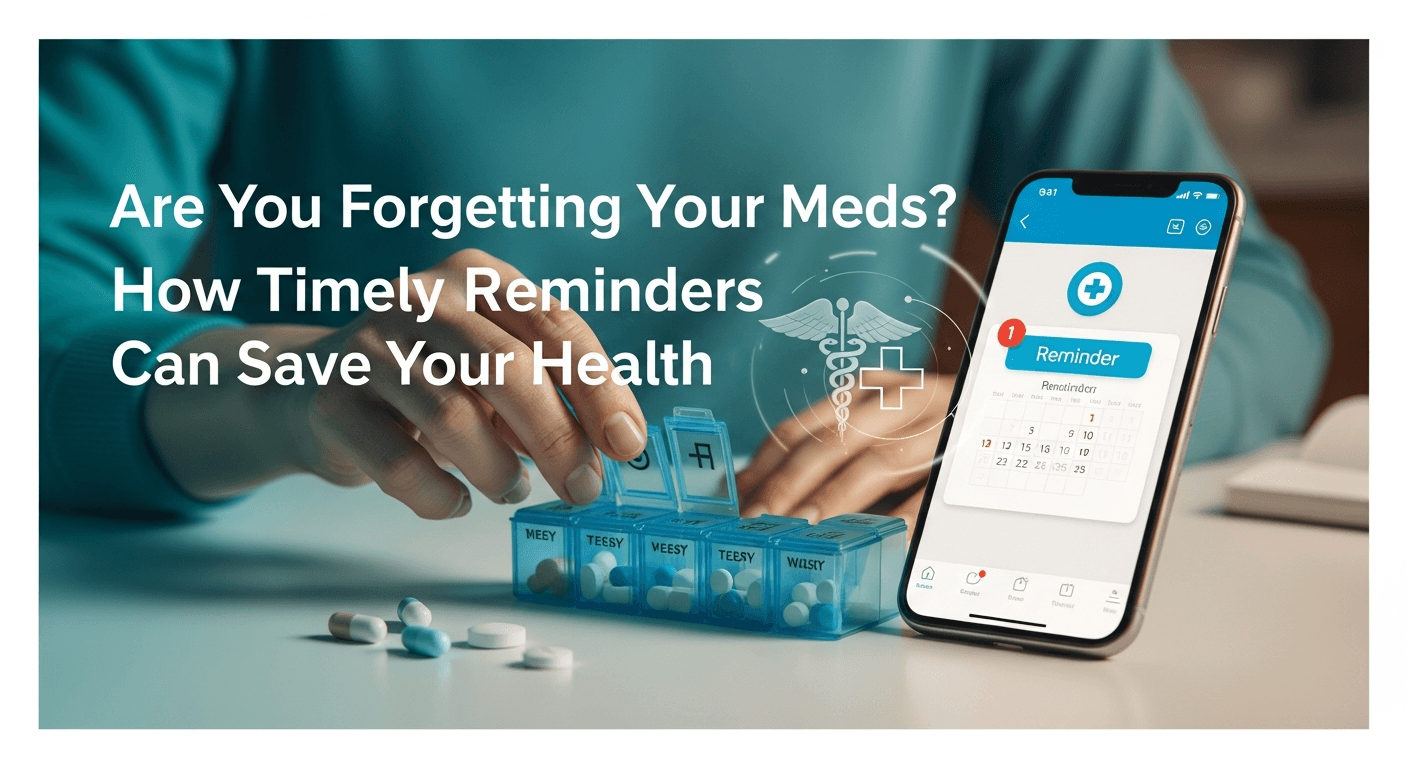
In today's fast-paced world, managing multiple prescriptions can feel like a daunting task, making it easy to miss a dose or take medication at the wrong time. This is where modern technology steps in as a powerful ally. Smart medication reminder tools offer a straightforward and highly effective solution to ensure you adhere to your prescribed regimen.
Never miss a dose with smart, recurring medication reminders that ping you exactly when it's time to take your pills. These tools are designed to remove the burden of memory, helping you consistently take your medications as directed, which is crucial for their optimal effectiveness. Medikle's free tool offers a user-friendly way to bring this peace of mind into your daily routine. By ensuring you take your medications consistently, you significantly increase the chances of them working exactly like they should, ultimately leading to better health outcomes and a greater sense of control over your treatment.
How to Use It (Step by Step)
Using a medication reminder tool like Medikle's is simple and can quickly become an indispensable part of your health management. Here’s a quick guide to getting started:
- Download the App: Find and install the Medikle app on your smartphone or tablet from your device's app store.
- Create Your Profile: Set up your personal account, which often involves a quick registration process to secure your health information.
- Add Your Medications: Input each of your prescribed medications, including the name, dosage, and what it's for.
- Set Your Schedule: For each medication, specify the exact days and times you need to take it, mirroring your doctor's instructions.
- Customize Reminders: Choose your preferred reminder settings, such as notification sounds or repeat alerts, to best suit your lifestyle.
- Stay Consistent: Respond to your reminders promptly to build a strong habit of medication adherence.
- Track Your Progress: Use the app's features to track your medication intake, which can be useful for reviewing with your doctor.
When to See a Doctor
While medication reminders are incredibly helpful, there are situations where technology isn't enough, and it is important to consult with a healthcare professional. Recognizing these red-flag situations is vital for your safety and effective treatment. Always remember that this information is for awareness and not a substitute for medical advice.
- Worsening Symptoms: If your condition's symptoms are getting worse or new symptoms appear, despite consistently taking your medication.
- New or Severe Side Effects: Experiencing any new, unusual, or severe side effects that are significantly impacting your quality of life.
- Suspected Allergic Reaction: Signs like hives, difficulty breathing, swelling of the face or throat require immediate medical attention.
- No Improvement After Consistent Use: If you've been taking your medication exactly as prescribed for a reasonable period and see no discernible improvement in your condition.
- Concerns About Interactions: If you suspect a drug interaction with food, supplements, or other medications, even if a tool hasn't flagged it.
- Questions About Dosage or Regimen Changes: Never adjust your medication dosage or schedule on your own; always discuss this with your doctor first.
- Feeling "Off" or Unwell: If you generally feel unwell and suspect it might be related to your medication, even if you can't pinpoint why.
The Bottom Line
Understanding why your prescriptions might not be working as they should is the first step toward better health outcomes. By diligently adhering to your treatment plan and being aware of potential interactions, you significantly improve your chances of success. Embrace modern solutions like Medikle's free medication reminder tool to help you stay on track and take control of your medication regimen today.
Sources & Further Reading
Disclaimer: This article is for informational purposes only and does not constitute medical advice. Always consult a qualified healthcare professional.