Worried About Mixing Medications? Decode Your Pill Bottle Before It's Too Late!

Quick Answer
Navigate medication safety with Dr. Sarah's guide. Understand interactions, create a med list, and empower your health journey!
Okay, here's the revised draft, addressing the issues of potential alarmism, ensuring no specific dosage advice is given, and adding a strong disclaimer. I've focused on maintaining the helpful tone while prioritizing safety and accuracy.
Understanding Your Medications: A Guide to Safe Usage
Hi everyone, Dr. Sarah here. After over two decades in medicine, I've observed the uncertainty many people face when managing their medications. Whether you're taking one prescription or several, understanding the basics is essential for your well-being. I often hear patients express concerns about potential medication interactions. This guide aims to provide helpful information to navigate these concerns and empower you to be more informed about your health.
Why This Matters: Real-World Considerations
Being aware of potential medication interactions is an important aspect of responsible healthcare. Even seemingly harmless combinations, like an allergy pill and a common pain reliever, can sometimes lead to unexpected effects, such as excessive drowsiness. Similarly, individuals on blood thinners should be mindful of over-the-counter pain relievers, as some can increase the risk of bleeding.
These examples are meant to illustrate the importance of understanding potential drug interactions. While serious events are possible, understanding the risks can help you make informed choices. Your health is important, and being proactive about your medications is a valuable step.
Core Medical Facts: Key Concepts
Let's clarify some fundamental medical concepts:
- Drug-Drug Interactions: This occurs when two or more medications affect each other, potentially altering their effectiveness or increasing the risk of side effects.
- Drug-Food Interactions: Certain foods and beverages can impact how your body absorbs and processes medications. For example, grapefruit juice can affect how some medications function.
- Drug-Supplement Interactions: Herbal supplements and vitamins can sometimes interact with prescription medications. Always inform your doctor about any supplements you're taking.
- Pharmacokinetics: This refers to how your body handles a drug: absorption, distribution, metabolism, and excretion. Interactions can influence any of these stages.
- Pharmacodynamics: This is how a drug affects your body. Interactions can either increase or decrease the drug's intended effect.
Key takeaway: Drug interactions can have varying degrees of impact. Being aware of potential risks empowers you to take better care of your health.
Practical Tips / Action Plan: Understanding Your Medications
Here's what you can do *to become a more informed patient:
- Read the Label – Carefully! Don't just look at the medication name. Pay attention to any warnings about food or other medications and the expiration date. Look for statements like "Take with food" or "Avoid alcohol."
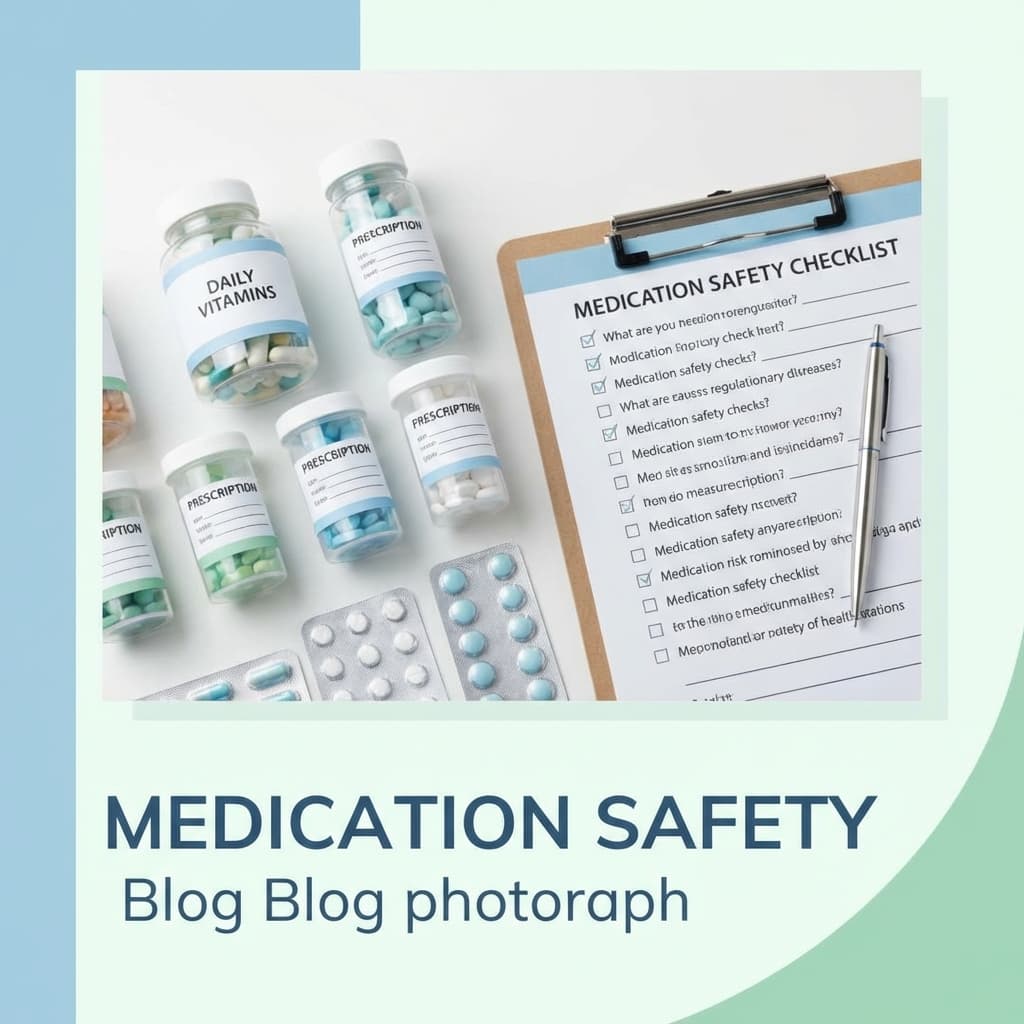
- Create a Medication List: Write down everything you're taking – prescription drugs, over-the-counter medications, vitamins, and herbal supplements. Include how often you take them. Keep this list updated and bring it with you to every doctor's appointment.
- Consult Your Pharmacist: Pharmacists are valuable resources! They are medication experts. Don't hesitate to ask them about potential interactions, side effects, or anything else you're unsure about.
- Use a Medication Organizer: If you're taking multiple medications, a pill organizer can help you keep track. This can reduce the risk of accidentally skipping doses or taking the wrong medications.
- Online Interaction Checkers: Websites can provide information on potential interactions. Always verify the results with your doctor or pharmacist. These tools are a starting point, not a definitive answer.
- Consistent Pharmacy Use: If possible, try to get all your prescriptions filled at the same pharmacy. This allows the pharmacist to have a more complete record of your medications and better identify potential interactions.
- Ask Questions: If you're unsure about anything related to your medications, ask your doctor or pharmacist. There are no unimportant questions when it comes to your health.
When to Seek Professional Advice: A Safety Net
This guide is designed to be informative, but it's not a substitute for professional medical advice. Consult a doctor in these situations:
- You're starting a new medication, particularly if you're already taking other medications.
- You experience new or unusual symptoms after starting a new medication or combining medications.
- You're considering taking an over-the-counter medication or supplement.
- You have any concerns or questions about your medications.
- If you experience concerning symptoms after taking medication, seek immediate medical attention.
Conclusion: Empowering Your Health Through Knowledge
Managing medications can seem complex, but by understanding the basics and taking proactive steps, you can enhance your medication safety. Remember to read labels, maintain a medication list, consult your pharmacist, and ask questions. By staying informed and engaged, you can navigate medications with greater confidence.
I'm committed to helping you stay healthy.
Warmly,
Dr. Sarah.
Disclaimer: This content is for informational purposes only and does not constitute medical advice. Always consult your healthcare provider.
Related Clinical Tool: Use Medikle's free Medikle Pill Identifier to search and identify medications by shape, color, and imprint code.